Nusa Penida Hindu Temple History: Guide to Sacred Sites
Understanding the historical context and cultural significance of religious sites is essential for any traveler visiting the Indonesian archipelago. This guide explores the background of Nusa Penida Hindu temple traditions to help visitors respect local customs and appreciate the spiritual heritage of the islands.
Key takeaways: * Recognize the deep connection between local history and religious architecture. * Understand how community-led conservation efforts support the island's future. * Respect traditional customs while exploring historical sites.
Why does the history of Nusa Penida Hindu temple traditions matter?
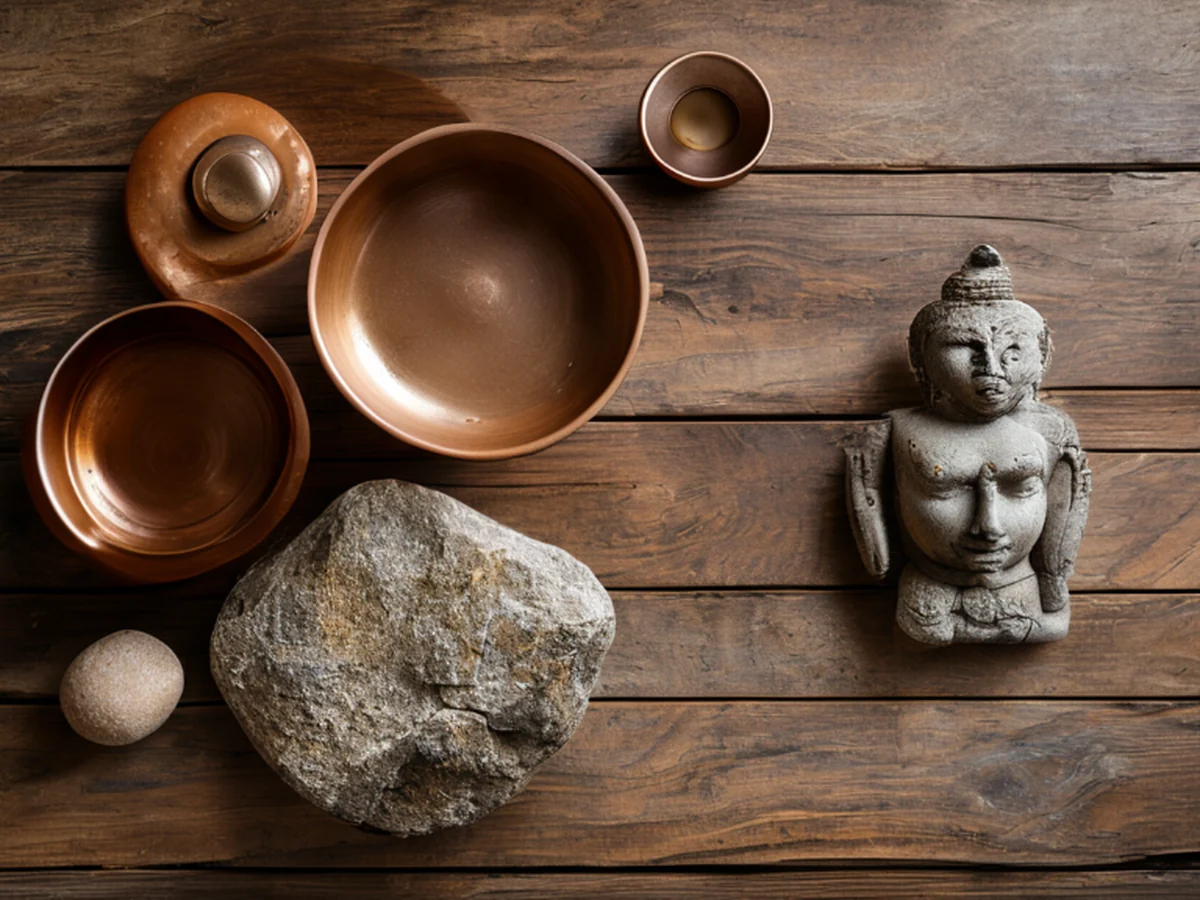
Walking through a stone gateway, the scent of incense drifts through the humid air, signaling a space of deep reverence. Understanding the history of Nusa Penida Hindu temple traditions allows travelers to move beyond mere sightseeing and into a meaningful engagement with the local culture.
These sites are not just relics of the past but living centers of community identity.
The historical roots of these religious sites are tied to the broader maritime and spiritual history of the region. While the architecture reflects specific eras of influence, the underlying spiritual practices have remained a constant force in the lives of the people.
Exploring these origins provides a clearer lens through which to view the daily rituals still performed today.
The cultural significance of these temples often stems from their role as anchors for the community. For generations, these sites have served as the heartbeat of social and spiritual life, gathering people for major ceremonies and seasonal festivals.
This continuity of practice makes every visit an encounter with an unbroken chain of tradition.
How can visitors understand the cultural significance of temples?
Standing at the entrance during high noon, I inhale the thick scent of jasmine while contemplating the spiritual depth of the nusa landscape.
Standing before a towering split gate, a visitor feels the weight of centuries of devotion. To truly grasp the cultural significance of temples, one must look at how they integrate with the natural environment.
The placement of these structures often follows ancient cosmological principles, aligning the physical world with the spiritual realm.
The relationship between the land and the sacred is a central theme in the region. Many temples were established to honor specific natural features or to serve as spiritual protectors of the coastline.
This connection highlights how the people have historically viewed their environment as something both to be lived in and to be revered.
The community's role in maintaining these spaces is vital to their survival. Local families often take responsibility for specific parts of a temple, ensuring that rituals are performed correctly and the structures are preserved.
This decentralized but highly organized system of stewardship is a hallmark of local religious life.
What is the role of Nusa Penida religious history in modern tourism?
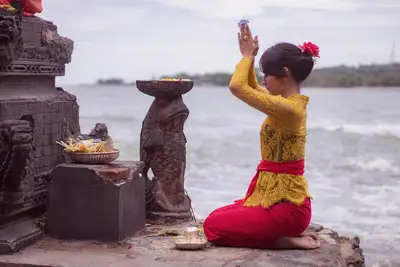
Watching a local resident place a small offering on a stone pedestal, one sees the intersection of ancient ways and the modern world. The Nusa Penida religious history serves as a foundation for the identity that travelers encounter when they arrive.
This history shapes everything from the local way of life to the way visitors are welcomed.
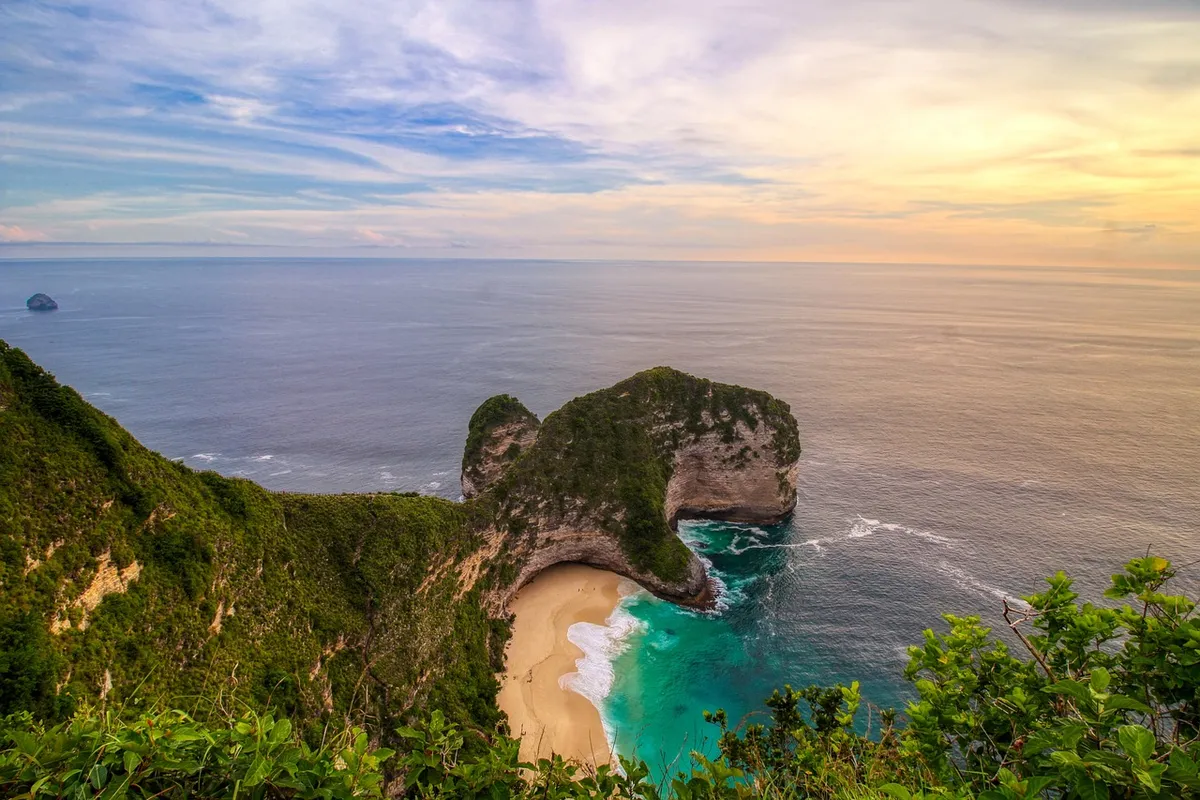
As tourism has grown, the preservation of these historical sites has become a shared priority for locals and visitors alike. The stories passed down through generations provide the context that turns a simple stone structure into a profound cultural landmark.
This historical depth adds a layer of meaning that distinguishes the island from other tropical destinations.
The evolution of the island's identity is closely tied to its ability to balance growth with tradition. While the world changes around them, the core values expressed through these religious sites remain a primary influence on the community.
This stability offers a sense of continuity that is increasingly rare in rapidly changing regions.
How do Balinese temple traditions influence local life?
Observing a colorful procession move slowly through a village street, a traveler witnesses the living application of ancient laws. Balinese temple traditions influence nearly every aspect of daily life, from the timing of agricultural cycles to the structure of social hierarchies.
These traditions provide a rhythmic framework for the community.
The rituals performed at these sites dictate the social calendar, creating a cycle of festivals and quiet periods. These movements ensure that the community remains cohesive, as people gather regularly to fulfill shared spiritual obligations.
Such practices reinforce the bonds between neighbors and the importance of collective identity.
The architecture and etiquette found at these sites serve as constant reminders of the values the community holds dear. By adhering to specific dress codes and behavioral norms, visitors participate in a shared respect for the sacred.
This interaction between the visitor and the tradition creates a unique cultural exchange.
What are the practical steps for visiting historical religious sites?
Entering a quiet courtyard, a visitor must pause to adjust their mindset to the solemnity of the space. To visit these sites responsibly, follow these steps:
- Dress modestly by wearing a sarong and a sash to honor the sanctity of the grounds. 2. Observe local etiquette, such as avoiding stepping over offerings or entering restricted areas. 3. Approach photography with respect, ensuring that ritual ceremonies are not disrupted by sudden movements.
Always perform a final check of your surroundings to ensure you are not infringing on a private prayer or a local ritual. I have found that slowing down and observing before acting is the best way to respect these sacred spaces.
Can certain conditions limit the visitor experience?
Walking up steep stone stairs in the midday sun, a traveler might find the physical environment challenging. The experience of visiting these sites can be limited by the intense heat or the rugged terrain of the island.
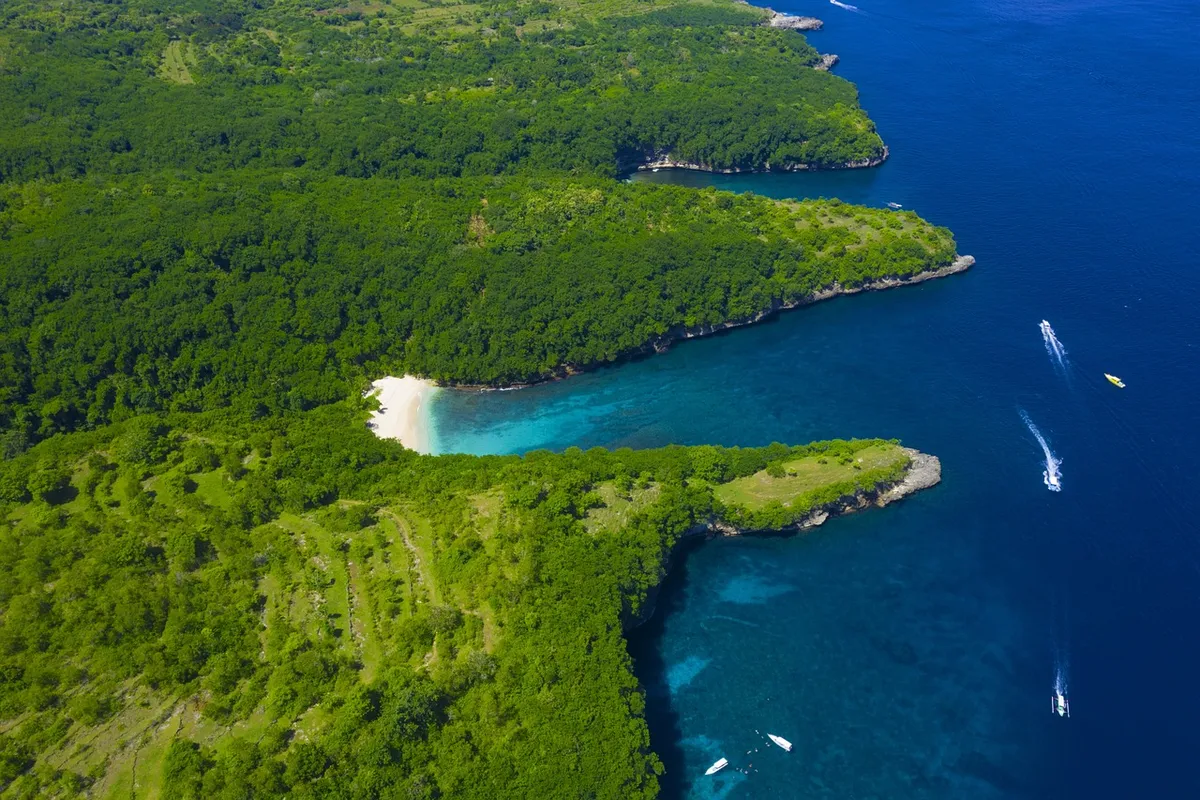
According to World Bank data, Indonesia recorded international tourist arrivals of 4,053,000 in 2020.
Additionally, during major religious festivals, certain areas may be closed to the public to allow for private community rituals.
| Aspect | Visitor Focus |
|---|---|
| Cultural Context | Historical background and ritual meaning |
| Physical Experience | Terrain, climate, and site layout |
The depth of the experience depends heavily on the visitor's willingness to engage with the local customs.
- Why does the history of Nusa Penida Hindu temple traditions matter?
- How can visitors understand the cultural significance of temples?
- What is the role of Nusa Penida religious history in modern tourism?
Nusa Penida Hindu Temple History
The subject here is Nusa Penida Hindu Temple History.
The same subject is also called Nusa Penida Temple Origins.
Related






Comments 0