7 AM Views: Nusa Penida's Dramatic Cliffs Await Your Visit
"The salt spray of the Indian Ocean meets the sweetness of a handcrafted treat, turning a simple snack into a memory of the wild coast."
If you are looking for the soul of Bali, you won't find it in a crowded shopping mall in Seminyak; you find it in the rugged, wind-swept cliffs of Nusa Penida.
While the mainland offers luxury and ease, this island offers a raw, visceral connection to nature that stays with you long after the plane lands back home.
* Nusa Penida offers a dramatic, rugged alternative to the manicured landscapes of mainland Bali. * Local flavors, specifically handcrafted treats like "cake cake," provide a sensory connection to the island's unique environment. * Deep travel requires balancing breathtaking views with authentic, slow-paced local encounters.

Beyond the Postcard View: Why Visit Now?
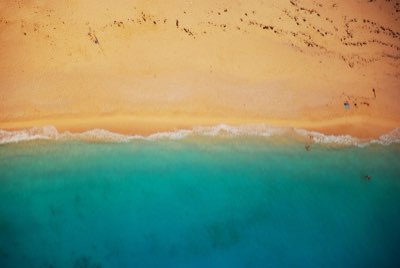
The sun hits the limestone cliffs of Kelingking Beach at 7:00 AM, turning the turquoise water into a shimmering sheet of glass. I stood there, breathing in the sharp, salty air, feeling the heat of the morning sun on my neck as the waves crashed hundreds of feet below.
It felt less like a vacation and more like a pilgrimage to the edge of the world.
While mainland Bali—places like Ubud or Canggu—has become a hub of wellness and digital nomad culture, Nusa Penida remains a different beast entirely. It is a place of steep hills, winding roads, and a sense of isolation that forces you to slow down.
The transition from the bustling ports of Sanur to the rugged cliffs of the peninsula is a transition from the modern world to something much more primal.
The scale of travel in this part of the world is massive. For context, according to World Bank data, Indonesia recorded international tourist arrivals of 4,053,000 in 2020.
While that number reflects a specific moment in global travel history, it underscores the sheer volume of people seeking the Indonesian archipelago. However, those looking for a "deep dive" rather than a quick photo op are increasingly turning to islands like Penida.
The economic landscape of the region also plays a role in how these destinations develop. According to World Bank data, Indonesia recorded a GDP per capita of US$5,060 in 2025.
This growing economic presence means that while the infrastructure is improving, the authentic, rugged charm that draws travelers to the islands is still very much intact—for now. But how does that charm translate to the plate?
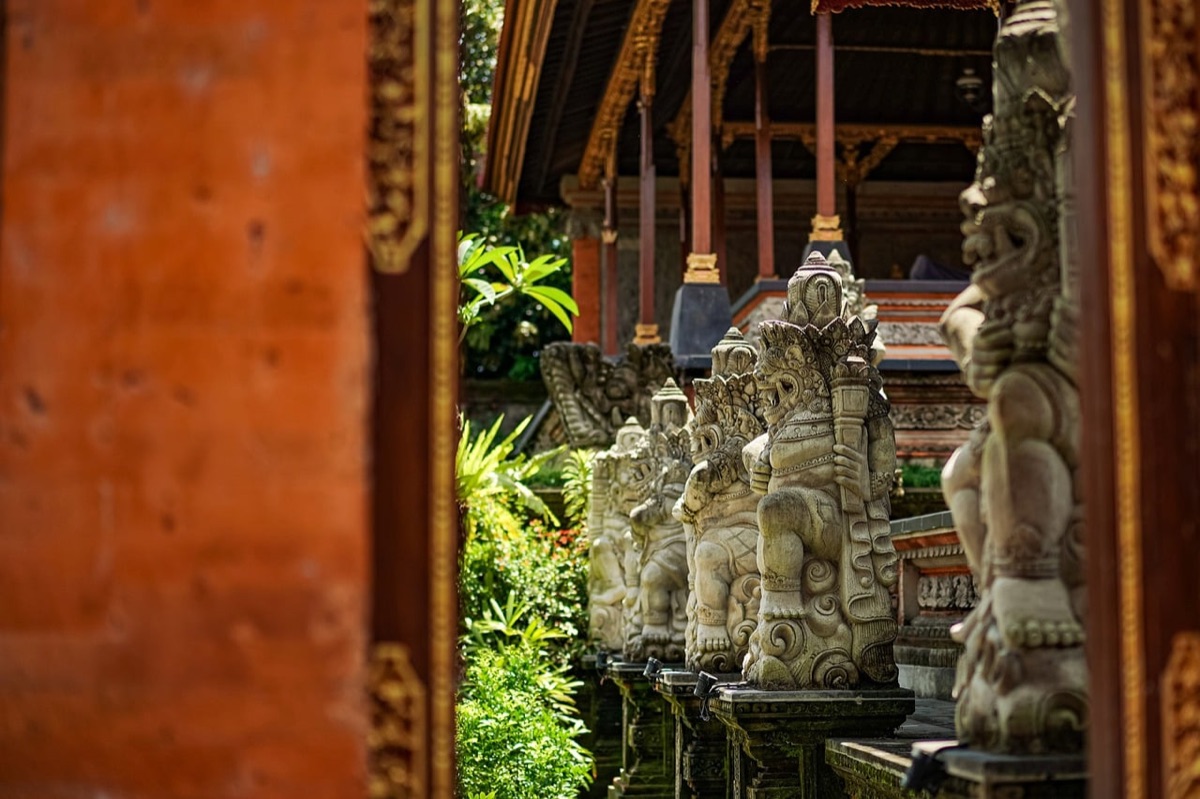
What makes these local flavors so unique? A small wooden table sits under a thatched roof, overlooking a valley of dry brush and sudden, steep drops. I watched a local cook prepare a meal using nothing more than a heavy stone mortar, a sharp knife, and ingredients gathered from the surrounding hills and sea.
There was no fancy thermometer or sous-vide machine, just the rhythm of tradition.
The cuisine of Nusa Penida is shaped by its geography. Unlike the lush, water-rich rice terraces of Ubud, the island is characterized by volcanic soil and a heavy reliance on the sea. This results in flavors that are often bolder, saltier, and more direct.
You see this in the way seafood is prepared—often smoked or grilled over coconut husks—and in the way local spices are used to brighten heavy, earthy ingredients.
The simplicity of the preparation is the secret. While mainstream Balinese food often focuses on complex, multi-layered *bumbu* (spice pastes), the island flavors often lean into the purity of the ingredient. It is a cuisine of necessity and respect for the harvest.
When you eat here, you aren't just consuming calories; you are tasting the geology of the island itself. But there is one specific delicacy that bridges the gap between the earth and the sea.
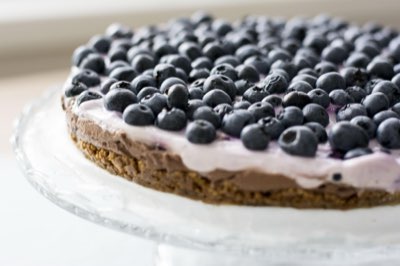
How do these cakes blend scenery and taste? The wind whipped through the palm fronds as I sat at a small seaside cafe, a slice of local cake resting on a ceramic plate in front of me. The cake was dense, moist, and carried a hint of coconut and local palm sugar, looking almost like a piece of the earth itself.
It was a quiet moment of indulgence against a backdrop of crashing waves.
In this setting, "cake cake"—the local artisanal treats often found in small batches—becomes more than just a dessert. It is a way to bridge the gap between the wild landscape and the human experience.
These treats often utilize local staples like cassava, coconut, or pandan, creating a flavor profile that is distinctly "island."
Eating these sweets while overlooking the vast expanse of the ocean creates a sense of "slow dining." It is a deliberate act of presence.
The ruggedness of the cliffs outside contrasts with the delicate sweetness of the treat, mirroring the duality of the island: it is both harsh and beautiful, intimidating and welcoming. This emotional connection—tasting the spirit of the island—is what turns a meal into a travel highlight.
But how do you actually plan a trip that captures this feeling?

Beyond the Sweet Spot: Integrating Local Charm
A dusty scooter sits parked near a temple entrance, its chrome reflecting the midday sun. I remember the feeling of the bumpy road under my tires as I navigated toward a hidden cove, wondering if the effort of the ride would be worth the view. It was a gamble of energy versus reward.
For travelers, there are two ways to approach Nusa Penida. You can seek the luxury of high-end villas that offer a curated view of the cliffs, or you can seek deep immersion through local encounters. The best trips usually find a balance between the two.
If you are looking for a deep dive, don't just stay in your resort; walk through the villages, observe the *canang sari* (flower offerings) being placed on shrines, and engage with the local rhythm.
| Travel Style | Focus | Best Activity Pairing |
|---|---|---|
| The Adventurer | Rugged landscapes & trekking | Scuba diving or cliff trekking |
| The Relaxer | Luxury & scenic views | Sunset cocktails & spa treatments |
| The Culturalist | Local traditions & food | Visiting temples & local markets |
To make the most of your time, try pairing your culinary explorations with your physical activities. If you spend your morning diving in the clear waters of Crystal Bay, make your late afternoon a time for a slow, sweet treat at a local cafe.
This creates a rhythm of high energy followed by intentional rest. But you can't just show up and expect it to go smoothly.
Planning Your Perfect Nusa Penida Escape
The ferry engine hums a low, steady rhythm as the boat cuts through the wake, leaving a white trail on the deep blue water. Looking back at the receding coastline of the mainland, I realized that the transition between islands is as much a mental shift as it is a physical one.
When planning your trip, you must decide between a day trip or an overnight stay. A day trip from Sanur is common, but it often feels rushed. To truly experience the "cake cake" culture and the quiet moments of the island, staying overnight is essential.
It allows you to see the sunrise over the cliffs and the quietude of the island after the day-trippers have departed.
- Book your fast boat in advance: Especially during peak season, seats fill up quickly.
- Arrange local transport: Renting a scooter is popular, but ensure you have an international license and wear a helmet. Alternatively, hire a local driver for a day.
- Pack for the terrain: Bring sturdy walking shoes and plenty of sunscreen. The limestone paths can be slippery and the sun is intense.
- Respect local customs: Always wear a sarong when entering temples and be mindful of local etiquette.
#




Comments 0