Bali Hindu temple travel: Why visit temples in Denpasar
"The spiritual architecture of Bali remains a cornerstone of its identity, drawing travelers to witness living traditions and sacred spaces."
Bali Hindu temple travel serves as a primary reason for visitors to explore the island's unique cultural landscape. This guide explores how religious institutions and historical depth shape the travel experience, while providing insights into the academic and historical context of the region.
Key takeaways include the evolution of religious education in Bali, the historical significance of sacred sites, and the economic context of Indonesian tourism.
Why does Bali Hindu temple travel matter?

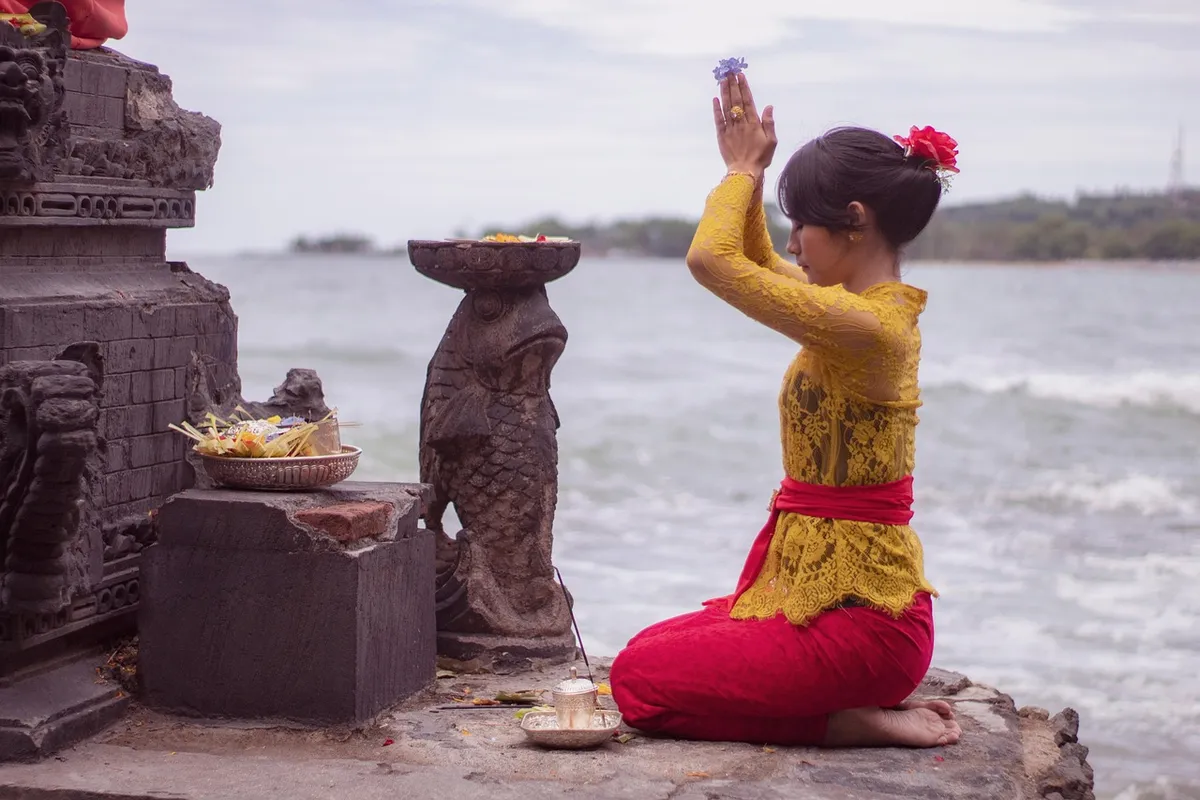
As the sun sets over the coast, a traveler brushes their hand against the warm stone of a bali temple gate.
A traveler walks through a stone gateway, feeling the weight of centuries in the humid air. Understanding the cultural depth of these sites helps travelers appreciate the living history of the island.
The religious character of the region is deeply tied to its educational and historical roots. For those interested in the preservation of tradition, the evolution of local institutions provides a glimpse into how faith is maintained through generations.
The cultural landscape is shaped by a history of institutional growth. For example, the development of religious education in Denpasar reflects the importance of maintaining these traditions.
This deep-rooted culture makes a Bali temple tour guide essential for anyone seeking to understand the nuances of local worship and ritual.
Understanding these sacred spaces allows travelers to move beyond mere sightseeing and engage with a living heritage.
How has religious education shaped the culture?
In a quiet courtyard at noon, a student closes an ancient book while feeling the heavy scent of incense in the bali air.
A student sits in a quiet classroom in Denpasar, studying ancient texts to prepare for a life of service. The transition from small academies to larger universities shows a commitment to preserving the faith.
The academic history of religious study in Bali shows a clear trajectory of growth. In 1993, the institution began as a state academy for teachers of the Hindu religion.
In February 2020, President Joko Widodo issued a presidential regulation elevating the status of the Hindu Dharma State Institute in Denpasar, Bali into the country's first Hindu state university, named I Gusti Bagus Sugriwa State Hindu University.
This shift ensures that the knowledge required to maintain temples and rituals remains centralized and scholarly. An expert Hindu temple trip Bali requires an understanding of this academic foundation.
The transmission of ritual knowledge ensures that ancient traditions remain vibrant in modern life.
What is the historical context of these sites?
An explorer brushes dust off an ancient relief, wondering about the hands that carved it long ago. History is often complex, involving both the preservation and the loss of sacred spaces.
Historical records provide a different perspective on the survival of religious sites. Historian Sita Ram Goel's book "What happened to Hindu Temples" lists over 2000 sites where temples have been destroyed and mosques have been built over them.
While these historical accounts focus on different regions and contexts, they highlight the fragility and resilience of religious architecture. For travelers, every temple visited is a testament to survival and continuity.
This awareness enriches a Bali temple tour guide experience, as visitors realize they are witnessing preserved heritage.
These temples serve as physical anchors to a lineage that spans centuries of island history.
How does tourism impact the local economy?
A tour bus pulls into a bustling plaza, and travelers step out to capture the vibrant colors of a local ceremony. The movement of people across the globe drives the local economy.
The scale of travel to Indonesia provides a backdrop for the local economy. According to World Bank data, Indonesia recorded international tourist arrivals of 4,053,000 in 2020. This influx of visitors supports local communities and the maintenance of cultural sites.
Economic stability and tourism are often linked in island destinations. According to World Bank data, Indonesia recorded GDP per capita of US$5,060 in 2025. This economic context influences how tourism is managed and how religious sites are funded.
Engaging in a Hindu temple trip Bali allows visitors to contribute to this economic cycle.
- Visitors contribute to the maintenance of temple grounds through entrance fees.
- Local artisans find markets for traditional offerings and crafts.
- Community-led tourism provides direct income to temple caretakers.
How can travelers prepare for a visit?
A traveler packs a sarong and a respectful mindset into a small bag. Preparation ensures that the visit remains respectful to the local community and its traditions.
To make the most of a visit, follow these steps:
- Research the specific etiquette of the temple you plan to visit to ensure respectful behavior. 2. Arrange for local guides who can provide context on the historical and religious significance of the site. s3. Plan your itinerary to include both major landmarks and smaller, quiet shrines for a balanced experience.
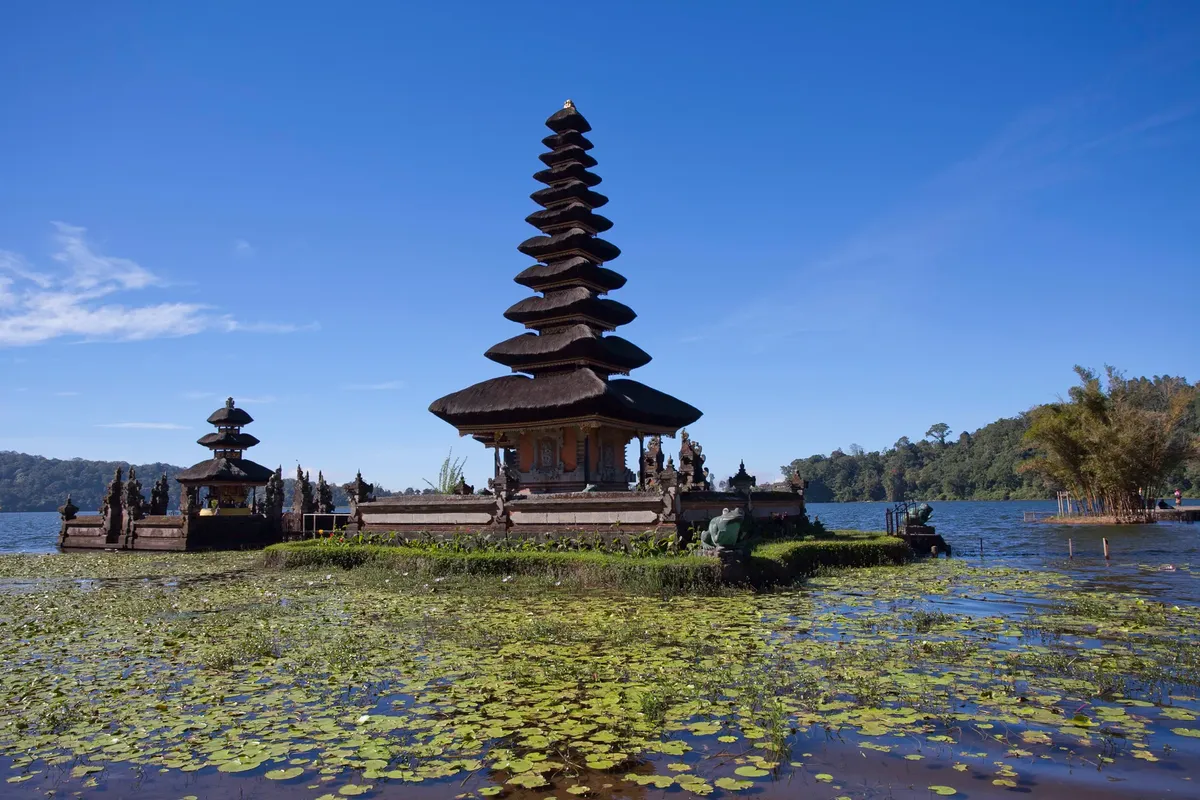
Always check the specific dress code or local requirements before arriving at a site. A well-prepared traveler can better engage in Bali spiritual travel.
A limitation of understanding these sites is that historical accounts of temple destruction may reflect different geographical or political contexts than those found in Bali today.
I find that the second step in this process is the most time-consuming.
The subject here is Bali Hindu temple travel.
The same subject is also called Visiting Bali temples.
This part also covers Why visit Bali temples.
This part also covers Temple tour and spa.
This part also covers Bali temple culture trip.
Why visit Bali temples
Related
- Balinese Hindu temple visit: Find charm in history
- Bali Travel Budget: See Real Costs Per Person For Your Trip
How does the spiritual architecture reflect continuity?
The spiritual architecture of Bali embodies the enduring nature of its traditions. The structures themselves serve as tangible links to past devotion. This physical manifestation of faith demonstrates how the community sustains its beliefs across generations.
This continuity is vital because the temples are not merely relics; they are active centers of worship. They represent the living practice that binds the community together through time.
For the traveler, observing this architecture provides a powerful lesson in cultural perseverance. The enduring quality of the design mirrors the tenacity of the faith it houses.
The structural design bridges the gap between the earthly realm and the divine.







Comments 0