8 Degrees South: Mastering the Art of Cake in Bali
"A slice of cake in Bali is never just a dessert; it is a momentary escape from the tropical heat into a world of refined sweetness."
Finding the perfect slice of cake in Bali requires understanding that the island's dessert scene is as diverse as its landscapes, ranging from artisanal patisseries in Seminyak to rustic, fruit-based treats in Ubud.
Whether you are looking for a heavy chocolate indulgence or a light, tropical cream cake, your choice should match your surroundings.
* Match your cake to your location: Choose heavy, decadent cakes for air-conditioned cafes in Seminyak and light, fruit-based or sponge cakes for breezy jungle cafes in Ubud. * Time your treats: Afternoon tea is the gold standard for cake in Bali, providing a much-needed cooldown during the peak heat of the day. * Balance the sweetness: Pair rich cakes with strong Balinese coffee or acidic tropical fruits to prevent "sugar fatigue" during your travels.
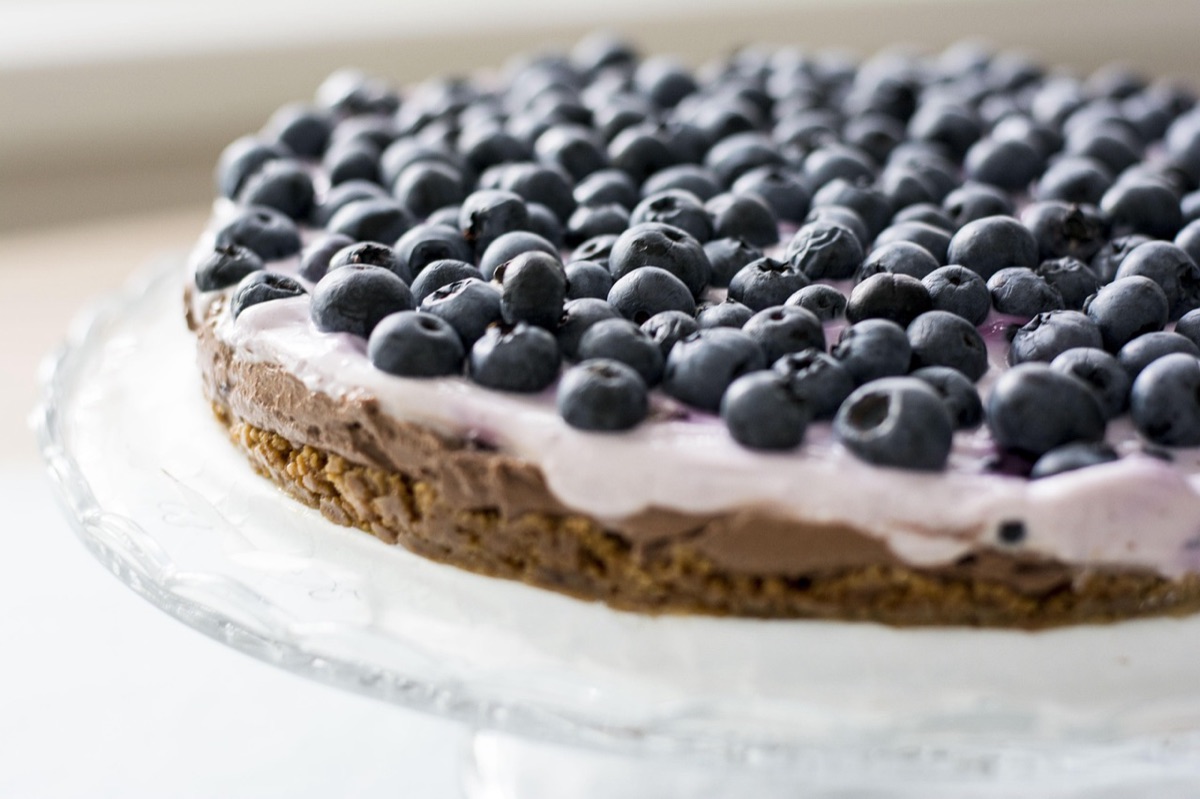
1. Beyond the Basics: Why are there so many different cake styles?
The sun beat down on the cobblestone streets of Seminyak as I sat in a glass-walled cafe, staring at a slice of matcha cheesecake that looked almost too beautiful to eat. The humidity outside was thick, but inside, the air was crisp, setting the stage for a very specific kind of indulgence.
In Bali, the "cake scene" is split into two distinct worlds: the international luxury style and the tropical-fusion style. In coastal hubs like Seminyak and Canggu, you will find high-end patisseries that mimic Parisian or Australian standards.
In 2025, these cafes became even more specialized, focusing on high-aesthetic plating.
Here, you can find heavy cheesecakes, layered red velvet, and intricate mousse cakes that require a fork and a quiet moment. These are often "statement" desserts designed for aesthetic brunching. In contrast, the highland atmosphere of Ubud often leans toward lighter, more natural textures.
You will frequently encounter cakes infused with local ingredients like pandan (a fragrant green leaf), coconut, or mango.
These are often sponge-based or chiffon cakes that won't leave you feeling too heavy to go trekking through the Tegallalang Rice Terraces later in the afternoon. A growing trend in Bali cafes is the "savory-sweet" fusion.
You might see a salted caramel cake topped with local sea salt or a cheesecake infused with lemongrass.
If you are visiting a local *warung* (a small, family-run eatery), you won't find tiered wedding cakes, but you will find "cake-adjacent" treats like *pisang goreng* (fried banana) or traditional steamed sweets that serve the same comforting purpose.
If you are looking for a specific flavor profile to try, look for Pandan-based cakes. The bright green hue and floral, vanilla-like aroma are quintessential to Southeast Asian dessert culture and provide a refreshing change from Western chocolate.
But having the right cake is only half the battle; you also need to know how to eat it without ruining your afternoon.

2. The Art of the Pairing: How do you elevate the experience?
I remember sitting on a wooden deck in Uluwatu, the sound of the Indian Ocean crashing against the cliffs below, as I tried to decide if a dense chocolate fudge cake was a good idea in 30-degree heat. I realized then that the setting dictates the appetite.
To truly elevate your cake experience, you must master the art of the beverage pairing. Because Bali is just 8 degrees south of the equator, the heat is a constant factor in your dining decisions.
For rich, heavy cakes like chocolate lava or cheesecake, a bitter, strong Balinese coffee—specifically a Kintamani Arabica—is the perfect counterbalance. The acidity of the coffee cuts through the fat of the cream, cleansing your palate for the next bite.
If you are enjoying a lighter, coconut-based cake, a cold, refreshing iced tea or a sparkling fruit infusion is much more appropriate. For those seeking a more luxurious experience, a late-afternoon dessert paired with a local craft cocktail can transition your mood from "tourist" to "vacationer."
To order like a pro, follow this simple sequence: 1. Assess the humidity: If it is a peak heat afternoon, opt for a cold-set mousse or a fruit-based sponge. 2. Select your base: Choose a coffee-based drink for heavy cakes and a tea or juice-based drink for light cakes. 3.
Request "less sweet": Many high-end cafes in Bali allow you to request a lower sugar content, which is highly recommended for enjoying multiple treats.
A lower sugar content can make your travel days much more manageable. However, knowing what to order is nothing compared to knowing where to go.
3. Where to Find Your Perfect Slice: Which neighborhood is right for you?
The morning mist rolled over the Ayung River in Ubud, making the lush greenery look almost surreal as I walked into a small, boutique cafe tucked away in a garden. It felt worlds away from the bustling beach clubs I had visited the day before.
Your choice of neighborhood will dictate your dessert destiny. If you are staying in Seminyak or Canggu, you are in the heart of the "Instagrammable" dessert culture. Expect large, visually stunning cakes, elaborate plating, and a wide variety of Western-style pastries.
This is the place for a celebratory slice or a romantic dessert date.
Ubud offers a completely different vibe. The cafes here often focus on wellness, organic ingredients, and lighter textures. You will find more vegan-friendly cakes, gluten-free options, and desserts that utilize local superfoods like dragon fruit or avocado.
It is the perfect place for a contemplative, slow-paced cake experience.
For those on a budget or a honeymoon, here is how to navigate: * The Splurge: Visit the high-end beach clubs in Uluwatu or luxury resorts in Nusa Dua for premium, artisanal cakes that often come with a view. * The Budget Find: Look for local bakeries in Denpasar or smaller cafes in Sanur.
You can often find high-quality, freshly baked cakes at a fraction of the price of the beachside spots. * The Timing Tip: To avoid the crowds and ensure the best selection, aim for "mid-morning brunch" (around 10:00 AM) or "late afternoon tea" (around 3:30 PM).
Most boutique cafes sell out of their signature slices by late afternoon.
But as much as we love the perfect slice, we must also consider how it fits into the local rhythm of life.
4. Dining Like a Local: How does cake fit into the Balinese rhythm?
Walking through a local market, the scent of incense and blooming frangipani filled the air, a reminder that every sweet thing often has a spiritual connection. I watched a local woman place a small offering of flowers and a bit of sweet rice on a roadside shrine, a quiet moment of devotion.
While "cake" in the Western sense is a relatively modern addition to the local diet, the concept of sweetness is deeply ingrained in Balinese culture. Sweetness is often associated with harmony and offerings.
While you won't see a tiered sponge cake at a temple ceremony, you will see various traditional sweet treats used in ritualistic contexts.
When you are traveling, it is helpful to view cake as a "reward" or a "pause button." After a morning of trekking through rice paddies or visiting a crowded temple, a quiet cafe stop for a slice of cake serves as a necessary transition period.
It allows you to recalibrate your energy before the next activity.
In terms of etiquette, remember that many cafes in Bali are casual. However, when eating in more traditional or family-run establishments, it is polite to use your hands for finger foods or to wait for the host to acknowledge the food.
If you are eating a slice of cake in a quiet, contemplative setting like a wellness retreat in Ubud, lower your voice to respect the peaceful atmosphere.
Understanding the culture is vital, but you also need to know how to avoid the common travel pitfalls.
5. Pro-Tips for the Savvy Traveler: What are the "dos" and "don'ts"?
I stood in line at a popular Canggu cafe, watching the barista carefully decorate a slice of cheesecake, realizing that in a place this popular, patience is as important as your appetite.
To make the most of your dessert adventures without the common pitfalls, keep these practical tips in mind:
The "Dos": * Do check for dietary labels: Bali is a leader in vegan and gluten-free living. Many cafes clearly label their cakes; always look for these if you have sensitivities. * Do try local fruit-based cakes: If a menu offers mango, passionfruit, or durian-based desserts, try them.
They are often much fresher and more flavorful than chocolate-based ones. * Do carry small change: While many cafes take cards, smaller local spots or those in more remote areas may require cash for your sweet treats.
The "Don'ts": * Don't overindulge during the heat of the day: Eating a very heavy, sugary cake in the midday sun can lead to lethargy and dehydration. Save the heavy hitters for the cooler evening hours.
* Don't forget to check the service charge: In many Balinese restaurants, a 5% to 10% service charge is already included in the price. Check your bill before adding a large tip to avoid overpaying.
* Don't ignore the "sold out" sign: In popular spots, the best cakes are often gone by 2:00 PM. If you have a specific cake in mind, make it your first stop of the day.
| Cake Type | Best Location | Best Beverage Pairing | Vibe |
|---|---|---|---|
| Heavy Chocolate/Cheesecake | Seminyak / Canggu | Strong Balinese Coffee | Celebratory / Indulgent |
| Light Sponge / Pandan Cake | Ubud | Jasmine Tea / Fruit Juice | Relaxed / Wellness |
| Fruit-based Mousse | Uluwatu / Nusa Dua | Sparkling Water / Cocktails | Tropical / Refreshing |
❓ FAQ
Q: Is there a specific cake flavor combination unique to Bali? A: While not a "cake" in the traditional sense, the combination of coconut cream and pandan is a staple of the region.
In 2026, you will find this flavor profile appearing in everything from high-end layered cakes to traditional steamed treats.
Q: Do I need to tip at cafes in Bali? A: In high-end cafes in areas like Seminyak, a service charge is often included in the bill. In smaller, family-run spots, a small tip is appreciated but never required.
Q: Is it safe to eat cake in the heat? A: It is best to choose cakes that are refrigerated or fruit-based. Avoid heavy cream-based cakes if you are eating outdoors in temperatures exceeding 30 degrees Celsius to prevent spoilage and discomfort.







Comments 0