Temple etiquette tips for Visit Balinese Hindu Temple
"Respecting the sacred ground of a Balinese temple requires more than just a quiet presence; it demands an understanding of local customs and spiritual boundaries."
To visit a Balinese Hindu temple, visitors must adhere to specific dress codes, observe ritual boundaries, and respect ongoing ceremonies. This guide covers essential etiquette, necessary preparations, and behavioral expectations to ensure a respectful visit.
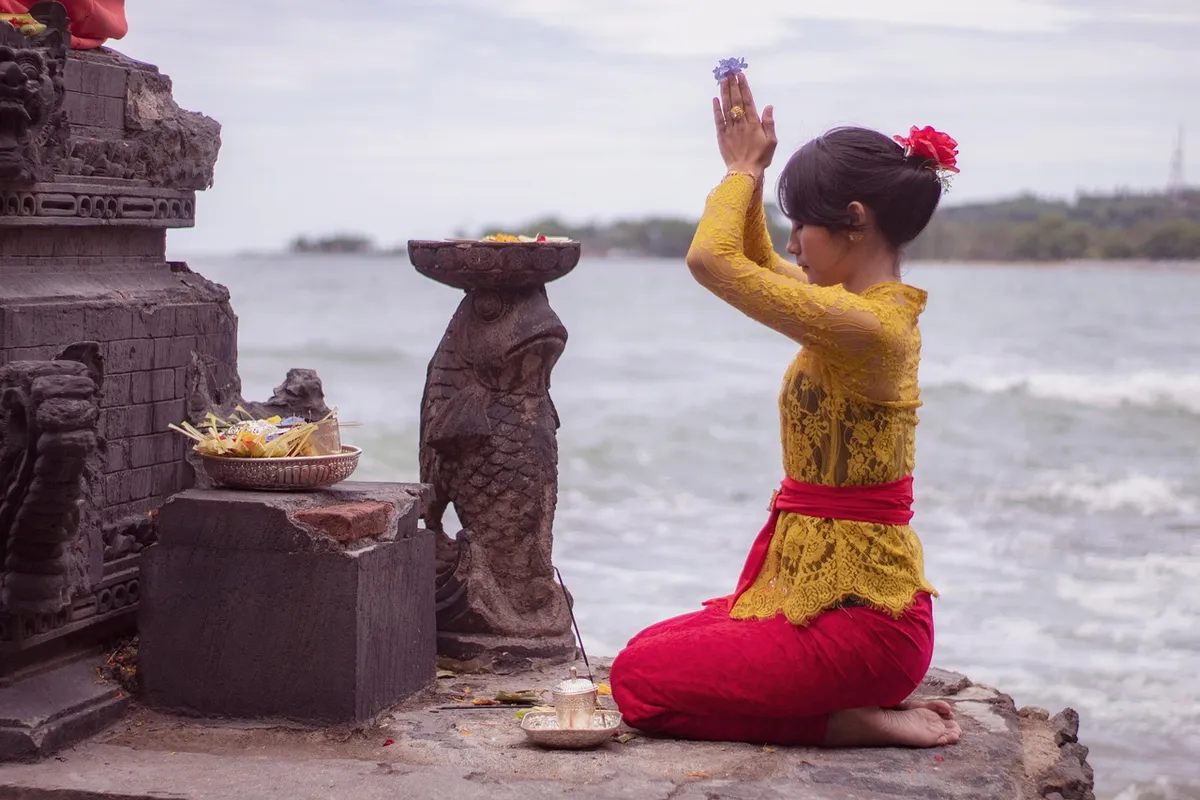
Key takeaways: * Wear modest clothing, typically including a sarong and sash. * Respect restricted areas and active ritual spaces. * Observe quietness and mindful movement during ceremonies.
What should I wear to the temple? At sunset, she pulls the heavy fabric of the sarong tight around her waist as she steps toward the ancient stone temple.
A visitor walks toward the stone gates, feeling the textured fabric of a traditional sarong wrapped around their waist. To maintain sanctity, one must follow a strict dress code that honors the spiritual nature of the site.
A temple visit guide begins with covering the legs and shoulders. Most temples require visitors to wear a sarong and a waist sash to signify respect and purity.
Entering a sacred space in shorts or sleeveless tops is generally considered disrespectful to the local community and the deities housed within.
When preparing for a visit, ensure the fabric is clean and appropriately long. Most major sites provide sarongs for rent, but bringing your own is a practical way to show readiness. This attire serves as a physical boundary between the secular world and the divine atmosphere of the temple.
- Choose modest clothing that covers shoulders and knees.
- Avoid wearing hats or sunglasses inside the sanctuary.
- Opt for comfortable footwear that is easy to remove.
How to observe ritual viewing rules? Visit Balinese Hindu Temple
A group of people stands at a distance, watching a priest perform an offering under the afternoon sun. Observing ritual viewing rules ensures that visitors do not disrupt the connection between the practitioners and their faith.
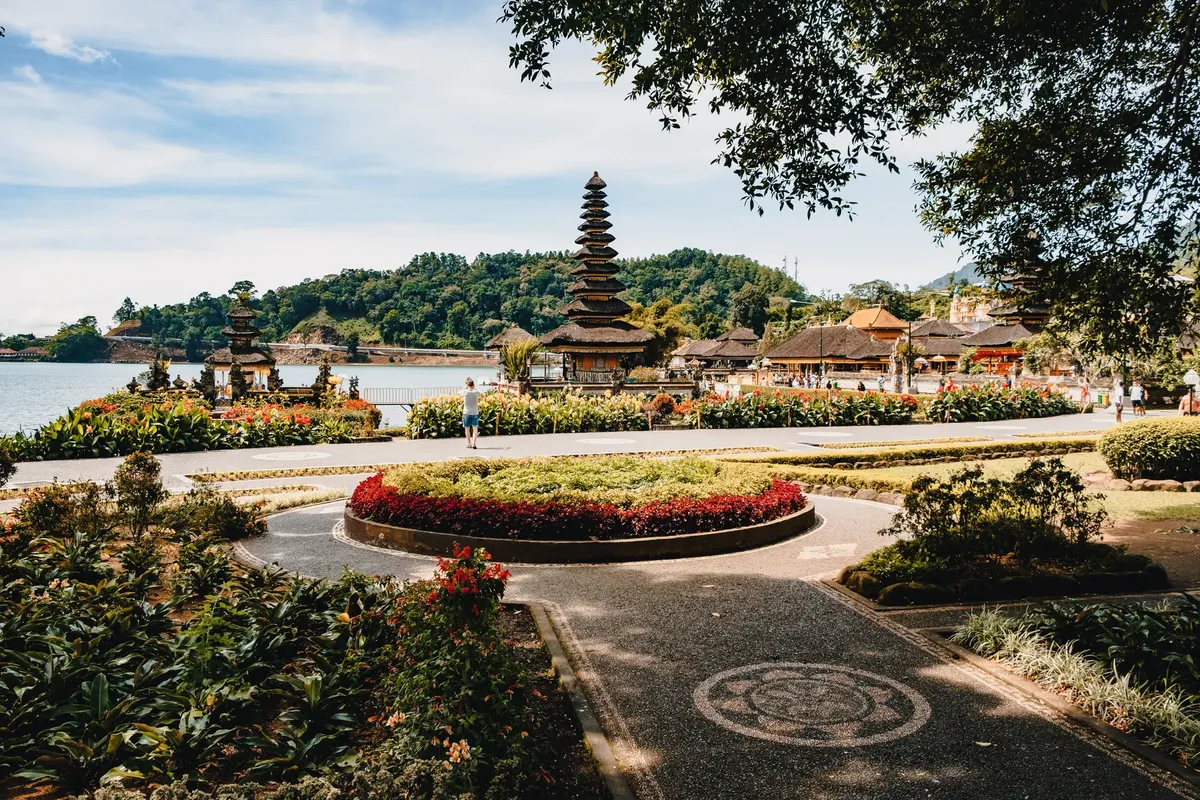
Effective ritual viewing rules involve maintaining a respectful distance from the inner sanctum. Many temples have specific zones where visitors are permitted, while the most sacred areas are reserved for priests and local devotees.
It is vital to look for signage or ask local guides about these boundaries before moving forward.
Avoid walking directly in front of someone who is praying or standing in the middle of a ritual procession. If a ceremony is in progress, staying on the periphery allows the community to conduct their rites without interruption.
This mindful positioning shows that you value their spiritual practice as much as your own curiosity.
In this sequence, the second step is the most significant.
How to participate temple rite with respect?
A traveler watches as a local resident places a small palm-leaf basket of flowers on a stone altar. To participate temple rite with respect, one must understand that participation is often observational rather than active.
While you may not be able to join in every prayer, you can engage through quiet observation and respectful presence. If you are invited to participate in a specific way, follow the lead of the locals carefully. This might involve receiving a blessing or joining a communal procession.
It is important to never touch sacred objects or idols unless specifically invited to do so. If you are offered a small blessing, accepting it with both hands is a common way to show gratitude. This level of engagement allows for a meaningful connection without overstepping cultural boundaries.
What are the must-know temple etiquette rules? A visitor pauses at the entrance, checking their phone before tucking it away to maintain a quiet atmosphere. Following temple etiquette rules helps preserve the sanctity of the environment for everyone present.

One of the primary rules is to maintain silence or speak in low whispers. Loud talking or sudden movements can be jarring in a space designed for meditation and prayer.
Additionally, avoid taking photographs of individuals during intimate moments of prayer or of the most restricted parts of the temple.
Be mindful of where you step, as some areas of the temple floor may be considered particularly holy. If you encounter an offering on the ground, step around it carefully to avoid any accidental desecration. Respecting these small details demonstrates a high level of cultural awareness.
How to manage a visit with existing conditions?
A traveler checks their map and local time, realizing they must adjust their schedule to avoid the peak of a ceremony. Managing a visit requires balancing personal curiosity with the living realities of the temple community.
According to World Bank data, Indonesia recorded international tourist arrivals of 4,053,000 in 2020.
- Research the local calendar to understand if a major festival is occurring. 2. Check the specific rules of the temple regarding photography and entry. 3. Coordinate your arrival times to avoid the busiest periods of ritual activity.
Always verify local requirements at the entrance, as rules can change based on the day or specific religious events. I remember checking the entrance requirements at a local site to ensure my attire met the specific standards of that morning's ceremony.
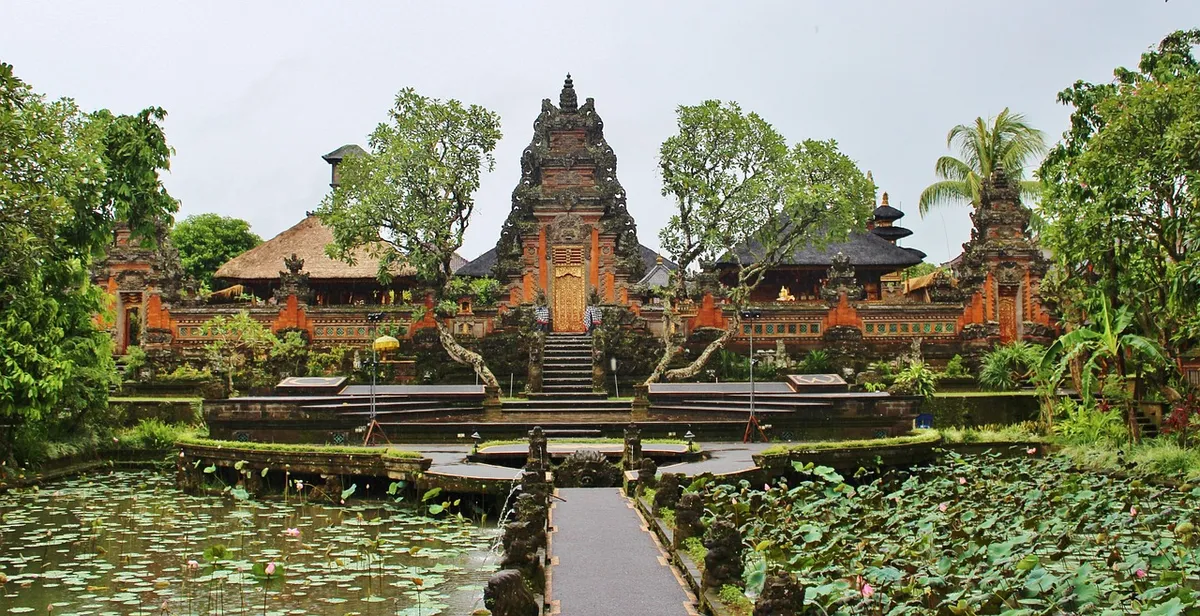
A final check of your attire and a moment of silent reflection before entering can prepare you mentally for the experience.
Summary of Temple Visit Requirements
| Category | Requirement |
|---|---|
| Attire | Sarong and sash |
| Conduct | Quietness and respectful distance |
The ability to navigate these spaces depends on your willingness to follow local guidance. A limitation of these general rules is that specific temple regulations may vary significantly between different regions in Bali.
The subject here is Visit Balinese Hindu Temple.
This part also covers Temple dress code needed.
This part also covers Observe ceremony protocol.
This part also covers Offerings and customs.
Temple dress code needed
Related
- Visit Hindu Temple Rituals: How to Observe Sacred Customs
- Bali Hindu temple travel: Why visit temples in Denpasar
When is silence most important?
Silence is most important when the community is engaged in deep prayer or when the visitor is in the presence of the most sacred elements. Maintaining quietness is a direct acknowledgment of the spiritual gravity of the location.
This quietude applies not only to the act of prayer but also to the movement through the grounds. Sudden noises or hurried steps can unintentionally break the concentration of those performing rites.
Therefore, visitors must remain acutely aware of the auditory environment to demonstrate proper deference to the ongoing spiritual activities.
What does 'Respecting' the ground imply?
Respecting the ground implies acknowledging that the physical space holds deep spiritual significance for the community. This acknowledgment goes beyond merely keeping noise down; it involves a behavioral commitment to the sanctity of the location.
The ground, in this context, is not just earth but a threshold between the mundane and the divine. Therefore, careful movement becomes a form of prayerful acknowledgment.
This commitment to the sacred ground shows a willingness to align one's presence with the spiritual purpose of the site.







Comments 0