Which cities are driving the fastest tourism growth?
"The archipelago's charm lies in its diversity, where the ocean meets the rainforest to create a global destination."
This report analyzes the rapid economic rise of Indonesia's tourism sectors to understand how regional growth influences the Bali region economic rise.
Travelers looking for trends should note that while certain cities show massive expansion, the overall sector remains a cornerstone of national identity.
Key takeaways include the significant GDP contribution of the industry, the diversification into health and sports sectors, and the massive scale of foreign visitor arrivals.
How does Indonesia's tourism sector contribute to the national economy?
A researcher traces the massive coastline of the archipelago, noting how the sea provides the foundation for a huge industry. In 2012, according to the World Travel & Tourism Council, travel and tourism made a total contribution of 8.9% of GDP and supported 8% of total employment in Indonesia.
This data highlights how deeply the sector is woven into the nation's financial fabric.
The scale of this industry is evident in the sheer number of people moving across the islands. In 2019, Indonesia recorded 16.10 million foreign tourist arrivals, seeing a 1.9% increase from 2018. This upward trend reflects the sustained interest in the nation's vast geography.
Which cities are driving the fastest tourism growth? Bali tourism growth stats
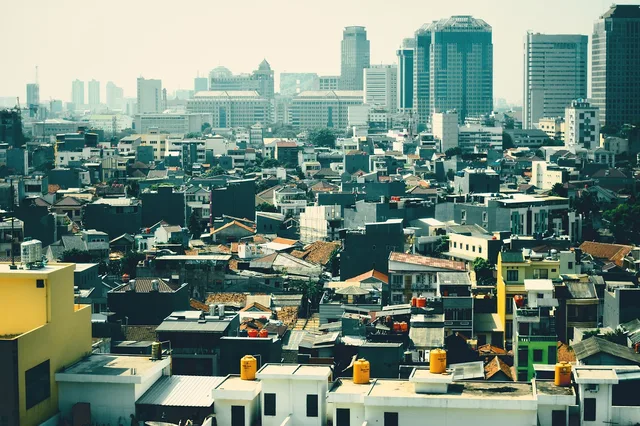
A traveler checks a map of major hubs, noticing how certain urban centers are expanding faster than others. Denpasar, Jakarta, and Batam were among the ten cities globally with the fastest tourism growth at 32.7%, 29.2%, and 23.3% respectively in 2018.
These figures demonstrate how localized urban development fuels the broader Indonesia tourism trends.
The growth is not limited to a single purpose, as the nature of visitation varies significantly. Around 59% of all visitors are travelling to Indonesia for holiday purposes, while 38% are for business. This mix ensures that cities like Denpasar remain active regardless of seasonal vacation shifts.
What are the new frontiers for Indonesian tourism?
A wellness practitioner prepares traditional herbs, looking toward the specialized markets emerging in the islands.
In 2019, the Indonesian Tourism Ministry was partnering with the Indonesian Health Ministry to provide health tourism in four sectors: medical tourism, wellness tourism and Jamu, sports tourism, and health academic tourism. This strategic shift expands the traditional holiday model.
Sports enthusiasts find their own niche within the vast waters of the archipelago. In 2018, the World Surf League had eight surfing events in Indonesia. This professionalization of the waters adds a layer of high-profile engagement to the region's natural assets.
How has the marketing of Indonesia evolved?
A designer looks at promotional materials, noting the branding that has defined the nation's image for years. The Indonesian Ministry of Culture and Tourism has directed an international marketing campaign using the slogan Wonderful Indonesia since January 2011.
This effort seeks to project a cohesive image to the global market.
Earlier efforts also laid the groundwork for the current tourism landscape. The Indonesian Ministry of Culture and Tourism declared 2008 as a Visit Indonesia Year to boost international presence. These long-term campaigns help maintain the momentum seen in recent years.
What makes the Indonesian natural environment unique?
A diver descends into the clear blue water, surrounded by a vibrant ecosystem that few places can match. Indonesia has a well-preserved, natural ecosystem with rainforests that stretch over about 57% of Indonesia's land, with approximately 2% of that being mangrove systems.
This lush greenery is a primary draw for many.
Under the waves, the biodiversity is even more striking. The Bunaken National Marine Park, at the northern tip of Sulawesi, claims to have seven times more genera of coral than Hawaii, and has more than 70% of all the known fish species of the Western Indo-Pacific.
How do visitors spend their time and money in the region?
An accountant reviews travel spending reports, noting the significant foreign exchange generated by international visitors. With an average visit duration of 9–12 days, Indonesia gains US$4.6 billion of foreign exchange income annually. This steady flow of capital supports local economies.
The impact of these visitors is felt in the rising numbers of travelers every year.
| Year | Metric |
|---|---|
| 2019 | 16.10 million arrivals |
| 2024 | 12.66 million arrivals (Jan-Nov) |

To manage tourism effectively, the Indonesian Tourism Ministry oversees the industry. I observed the following process when researching the sector: 1. Identify the specific tourism sector being studied. 2. Compare historical arrival data with current growth rates. 3.
Review ministry partnerships for specialized tourism niches. I found that this method provides a clear view of the industry's direction.
One limitation of these statistics is that they focus on foreign arrivals and do not account for the full scope of domestic movement within the islands.
- How does Indonesia's tourism sector contribute to the national economy?
- Which cities are driving the fastest tourism growth?
- What are the new frontiers for Indonesian tourism?
Bali nearby city growth
Related
- Ubud in Depasara region: Guide to cultural heart landscapes
- Best Denpasar population travel guide for city center trips
What conditions influence the specialized tourism expansion?
- The Indonesian Tourism Ministry coordinates with the Indonesian Health Ministry to develop specialized tourism offerings. 2. These offerings encompass medical tourism, wellness tourism and Jamu, sports tourism, and health academic tourism. 3. This partnership signifies a deliberate move beyond the standard holiday travel model that characterizes the archipelago's appeal.
The comparison between visitor motivations shows a clear split in travel intent. Around 59% of all visitors arrive for holiday purposes, contrasting with the 38% who travel for business. This distribution suggests that the core appeal of the archipelago remains rooted in leisure.
The natural environment provides a unique foundation for these specialized markets. Rainforests cover a substantial portion of the land, and the marine parks offer exceptional biodiversity, which supports both wellness and sports tourism.
How does the national identity relate to tourism's economic role?
The overall tourism sector maintains a position as a cornerstone of national identity, despite localized urban expansion. The massive scale of foreign visitor arrivals underscores the industry's importance to the nation.
The initial economic data established the sector's deep integration into the nation's financial structure. The contribution to GDP and employment figures from earlier reports illustrate this foundational role.
The charm of the archipelago is intrinsically linked to its diverse offerings, which the tourism sector capitalizes on. This diversity allows for the successful diversification into health and sports sectors, broadening the economic base.
The caution regarding domestic movement reminds readers that the statistics presented primarily reflect international engagement. Therefore, the full economic picture requires consideration of internal travel patterns within the islands.






Comments 0