Bali tourism export role: Best ways travel impacts workforce
"The economic landscape of a nation is often painted by the footsteps of travelers across its shores."
Indonesia tourism plays a massive role in the national economy, serving as a vital pillar for both GDP and employment. This guide explores how the travel sector impacts Indonesia's economic standing, focusing on the historical growth of Bali and the diverse sectors driving this growth.

You will learn about the specific economic contributions of the industry, the rise of specialized tourism niches, and the geographical factors that support this scale. This overview is intended for those analyzing regional economic trends and does not provide financial advice.
How does the Bali tourism export role affect the national economy?
A traveler lands at Denpasar, feeling the humid tropical air and hearing the distant sounds of the sea. This single arrival contributes to a massive economic engine that drives the country forward.
The tourism sector is a significant component of the national financial structure. According to the World Travel & Tourism Council, travel and tourism made a total contribution of 8.9% of GDP and supported 8% of total employment in Indonesia in 2012.
This massive scale highlights the industry's importance to the national workforce.
The economic weight of travel is further demonstrated by the influx of international visitors. In 2019, Indonesia recorded 16.10 million foreign tourist arrivals, which was a 1.9% increase from 2018.
This consistent growth ensures that the tourism sector remains a reliable source of foreign exchange.
How much does Bali contribute to economic growth?
I stand in a crowded market in bali and feel the intense heat while observing the local commerce expand. A local vendor arranges colorful textiles in a market, watching a steady stream of visitors pass by. This constant movement reflects the intense development seen in major hubs.
The growth rates in specific urban centers highlight the intense economic activity within the archipelago. In 2018, Denpasar, Jakarta and Batam were among the ten cities globally with the fastest tourism growth at 32.7%, 29.2% and 23.3% respectively.
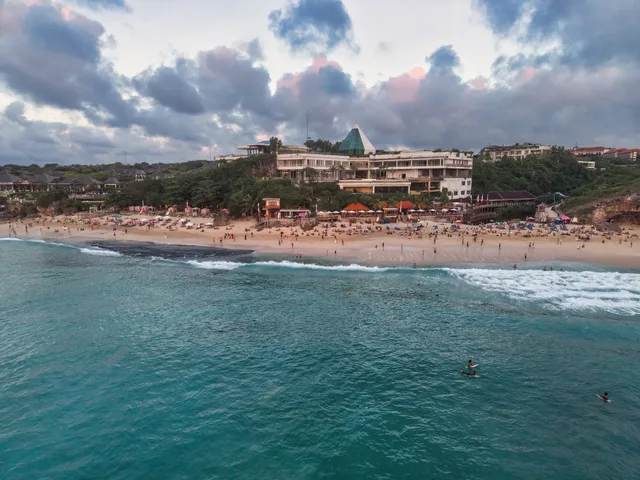
The tourism sector's influence extends beyond mere arrivals. Indonesia gains US$4.6 billion of foreign exchange income annually, driven by an average visit duration of 9–12 days. This significant revenue stream supports local infrastructure and various service industries.
What share of Indonesia's specialized tourism exports is this?
A medical professional in a modern clinic discusses wellness programs with a client. This scene represents the shift toward more specialized, high-value service sectors.
The industry is diversifying to capture more specific market segments.
In 2019, the Indonesian Tourism Ministry began partnering with the Indonesian Health Ministry to provide health tourism, which includes four specific sectors: medical tourism, wellness tourism and Jamu, sports tourism, and health academic tourism.
This diversification is supported by the natural advantages of the islands. Indonesia's tourism industry benefits from a tropical climate and a vast archipelago of 17,508 islands, 6,000 of which are inhabited. This diverse geography allows for multiple simultaneous tourism experiences.
How does the Indonesian travel trade utilize its natural assets?
A diver descends into clear blue water, surrounded by a vibrant reef system. The sheer density of life underwater is a primary driver for international visitors.
The natural environment serves as a cornerstone for the nation's tourism identity. The archipelago contains 20% of the world's coral reefs, featuring over 3,000 different species of fish and 600 coral species.

The ecological variety is significant. Bunaken National Marine Park, located at the northern tip of Sulawesi, claims to have seven times more genera of coral than Hawaii. It contains more than 70% of all the known fish species of the Western Indo-Pacific.
What are the steps to understand the tourism market?
I look at a map of the archipelago, tracing the coastline that stretches over 54,716 km. Understanding the market requires looking at the various ways people interact with the land and sea.
To evaluate the tourism landscape, consider these aspects: 1. Analyze the visitor demographics, noting that around 59% of all visitors travel for holiday purposes, while 38% are for business. 2.
Examine the seasonal marketing efforts, such as the "Wonderful Indonesia" campaign directed by the Indonesian Ministry of Culture and Tourism since January 2011. 3. Monitor the growth of specialized events, such as the eight surfing events held by the World Surf League in Indonesia in 2018.
A final check involves ensuring the distinction between general holiday travelers and business travelers is maintained in any economic model.
How does the tourism industry compare to other sectors?
A merchant compares the volume of goods arriving at a port versus the number of people entering a hotel. This comparison is essential for understanding the diverse economic drivers of the region.
The tourism industry operates alongside other major economic sectors. While tourism is a massive driver, other areas such as trade also contribute significantly to the national economy.
| Economic Metric | Value |
|---|---|
| Export of Goods Growth Rate (2026Q3) | 2.4% |
| Current Account (2026-09) | 61,457.5 million USD |
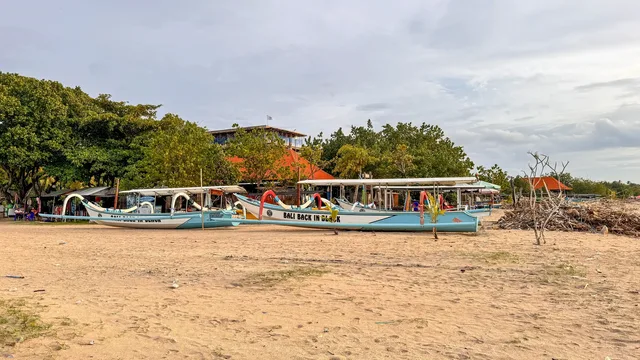
The scale of tourism is immense, but it exists within a complex web of international trade and investment.
- How does the Bali tourism export role affect the national economy?
- What is the Bali economic value in terms of growth?
- What is the Indonesian tourism export share in specialized sectors?
The subject here is Bali tourism export role.
The same subject is also called Indonesia travel trade.
The same subject is also called Indonesian travel boost.
This part also covers Impact of Bali on trade.
This part also covers Tourism sector export data.
Related
- Which cities are driving the fastest tourism growth?
- Ubud in Depasara region: Guide to cultural heart landscapes
Summary of Indonesia's Tourism Impact
The tourism sector remains a vital economic driver for Indonesia, significantly contributing to the national GDP and employment. From the massive growth seen in cities like Denpasar to the specialized expansion into health and wellness tourism, the industry's footprint is wide.
The natural diversity of the archipelago, including its vast coral reefs and many islands, provides a unique foundation for this global appeal. However, the economic landscape is complex, and tourism's specific impact is part of a larger, multifaceted national economy.








Comments 0