Bali cake experience meaning: How to guide temple offerings
The ritual of offering sweets at a temple is more than a culinary act; it is a spiritual bridge between the human and the divine.
The Bali cake experience meaning lies in the intersection of devotion and community sharing within Hindu traditions. This guide explores how these offerings function as sacred gifts to deities rather than mere food for consumption.
Travelers should focus on observing the ritual timing, respect the offerings' placement, and understand the local context of these sweets.
What is the Bali cake experience meaning?
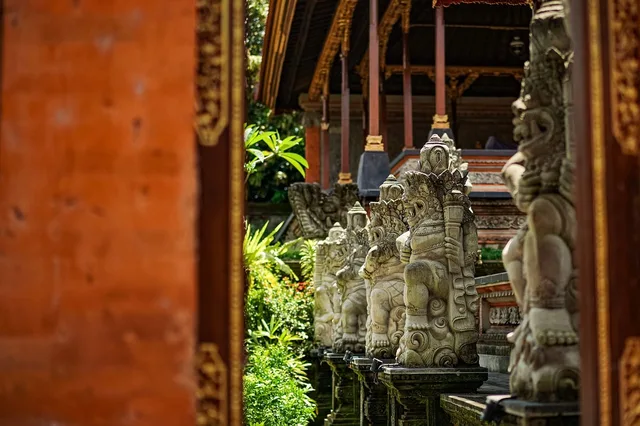
At dawn, you watch a resident gently place a sweet on a leaf to grasp the Bali cake experience meaning while feeling the warm breeze.
A local resident carefully places a small, colorful sweet on a banana leaf under the shade of a Banyan tree. This simple action represents the core of the Bali cake experience meaning, where food serves as a medium for gratitude.
These offerings are not meant for human consumption initially but are presented to appease spirits.
The sweets often include various textures and colors, symbolizing different aspects of life. For a visitor, witnessing this process reveals the spiritual value of temple cakes in daily life. This practice ensures that the local culture remains vibrant through continuous ritualistic repetition.
How do locals view these offerings?
A woman arranges petals around a small tray of sweet dough near a stone shrine. Understanding the local view on Bali cake requires looking past the sugar to the intention behind the gift. For residents, these items are essential components of daily offerings that maintain cosmic balance.
The interest in these sweets stems from their role in communal identity and religious duty. Rather than seeing them as snacks, locals view them as sacred vessels of prayer. This perspective distinguishes the ritual from the casual consumption seen in Western culinary traditions.
What is the spiritual value of temple cakes?
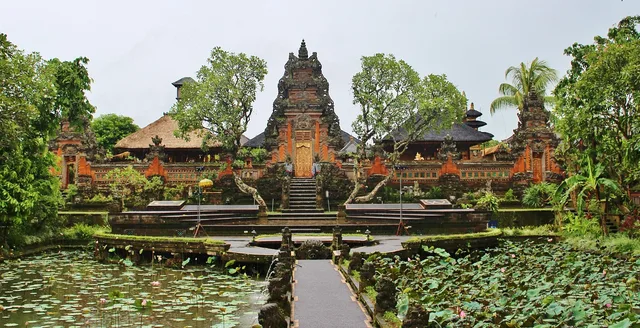
The scent of incense drifts through the air as a priest blesses a collection of rice-based sweets. The spiritual value of temple cakes is found in their ability to facilitate communication with the divine through the senses.
By offering something sweet, devotees express their joy and devotion to the gods.
These items are central to the complex religious landscape of the island. This cultural belief in Bali food integrates the physical act of cooking with the metaphysical need for divine favor. Such traditions turn a simple kitchen task into a profound act of worship.
Why is cake culture in Bali so significant?
A young boy watches his mother prepare intricate layers of coconut-infused dough. The cake culture in Bali is deeply intertwined with the island's unique religious structure. This practice ensures that even the most basic ingredients are elevated through sacred intent.
The significance is rooted in the communal nature of temple festivals. When a ceremony concludes, the food is often shared among the community, reinforcing social bonds. This cycle of offering and sharing maintains the social fabric of the island.
What is the Hindu temple cake interest?

A group of travelers observes the careful placement of offerings near a temple entrance. The Hindu temple cake interest is driven by the constant cycle of ceremonies that define life on the island. Every milestone, from births to harvests, involves a specialized offering.
Understanding these traditions helps visitors navigate the local landscape with sensitivity. Recognizing that these are not just decorations but vital religious tools is essential for respectful travel. This connection to the divine makes every offering a moment of high significance.
How to observe these rituals respectfully?
A traveler stands quietly at a distance while a family completes their morning prayer. To observe these practices without interference, follow these steps:
- Maintain a respectful distance from the active ritual area. 2. Avoid touching or moving any offerings placed on the ground. 3. Observe the timing of the ceremony to ensure you are not interrupting a private moment.
Always check if a specific area is restricted to locals before entering. I once watched a ceremony from the periphery to ensure I did not disrupt the flow of the ritual. While these traditions are beautiful, they are strictly religious duties and not performances for onlookers.
| Feature | Ritual Offering | Casual Snack |
|---|---|---|
| Primary Purpose | Divine appeasement | Human nourishment |
| Setting | Temple or home shrine | Home or cafe |
The complexity of these traditions is influenced by the island's religious history.

According to Wikipedia, President Joko Widodo issued a presidential regulation in February 2020 that elevated the status of the Hindu Dharma State Institute in Denpasar, Bali into the country's first Hindu state university, named I Gusti Bagus Sugriwa State Hindu University.
This academic growth reflects the deep-seated importance of religious education in the region.
- What is the Bali cake experience meaning?
- How do locals view these offerings?
- What is the spiritual value of temple cakes?
The same subject is also called Meaning of Bali sweets.
This part also covers What locals think of cake.
Related
- Balinese language 3.3 Local speech use status why guide
- Local speech use survey: How to best understand Balinese
How does the ritual influence social bonds?
Sharing the food after a ceremony reinforces communal identity. This process ensures the social fabric remains strong through the cycle of offering and sharing. The ritual acts as a bridge between individual devotion and community unity.
What should travelers avoid during ceremonies?
Travelers should avoid treating these sacred acts as performances. One must not touch or move any offerings placed on the ground. Observing from a distance prevents the interruption of a private moment.
Comparing the two types of food reveals distinct differences in intent. A ritual offering focuses on divine appeasement, whereas a casual snack focuses on human nourishment.
How to identify a ritual offering?
An offering is identified by its specific placement near shrines or under trees. This differs from a casual snack which is intended for human nourishment. One should compare the setting of the food to determine its function.
- Check the location of the sweet to see if it sits near a temple or shrine. 2. Observe if the item is placed on a banana leaf for a deity. 3. Note if the food is intended for spiritual appeasement rather than human consumption.
Maintaining a respectful distance is a necessary condition for observing these ceremonies. If a traveler enters a restricted area, they may disrupt the sacred ritual. This caution ensures that the spiritual bridge remains intact during the ceremony.







Comments 0