86% Devotion: Why Balinese Culture Elevates Wellness
"The ultimate convergence of devotion and deep relaxation: Discover how a Balinese Hindu temple visit, perfectly paired with a traditional spa massage, transforms a vacation into a profound spiritual and physical reset."
True relaxation in Bali is more than just a quiet room and a soft bed; it is a rhythmic dance between the soul and the senses.
By pairing the spiritual weight of a Hindu temple visit with the physical release of a traditional spa ritual, you achieve a level of restoration that a standard resort stay cannot provide.
* Balinese culture is intrinsically woven into the fabric of wellness; temples are living centers of devotion, not just tourist stops. * A spa experience deepens when rooted in local context, moving from simple massage to traditional healing. * True rest requires balancing structured indulgence (spa) with deep cultural immersion (temples). * This pairing offers an authentic, multi-sensory journey into the heart of Balinese life.
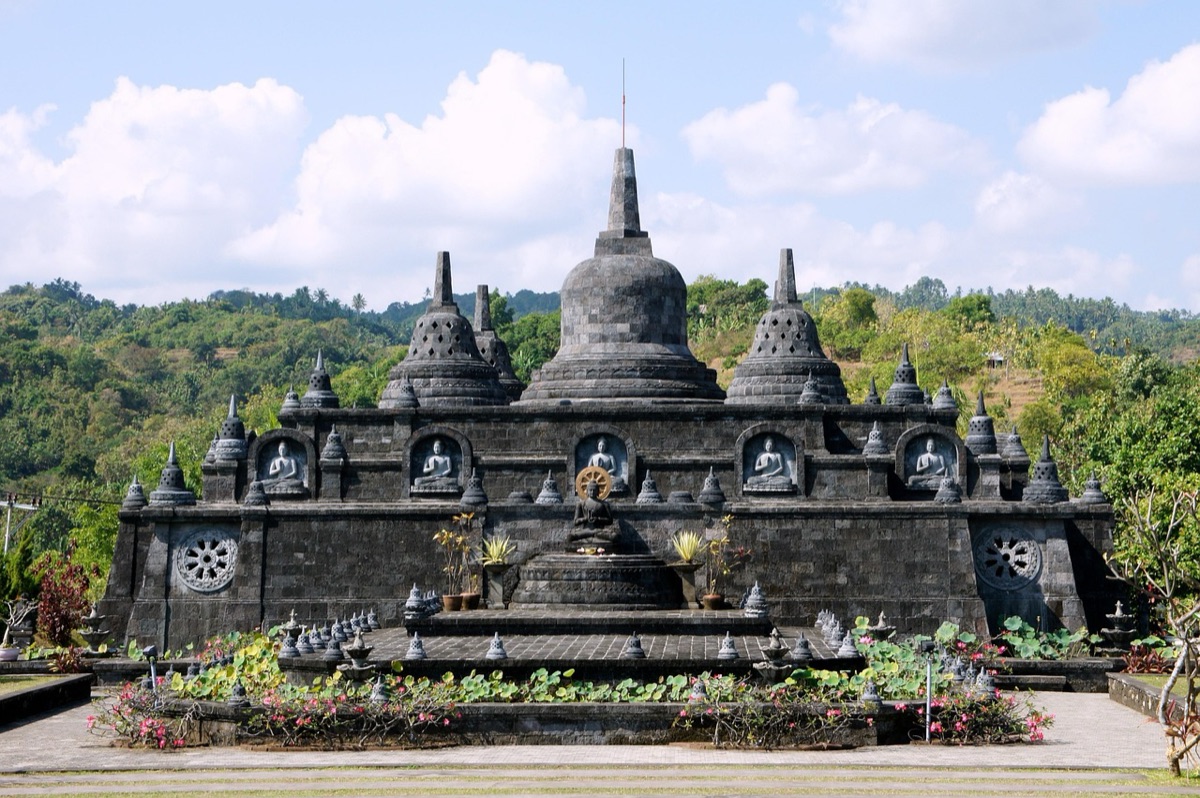
Why Does Balinese Culture Matter to Your Wellness Journey?
The thick scent of incense drifts through the humid morning air as a woman gently places a flower basket onto a mossy stone pedestal.
The scent of incense drifts through the humid morning air as a local woman carefully places a small palm-leaf basket filled with colorful petals and incense sticks on a stone pedestal. This quiet, repetitive motion is part of a much larger rhythm that defines the island.
According to World Bank data, Indonesia recorded a GDP per capita of US$5,060 in 2025.
Bali is the only Hindu-majority province in Indonesia, with 86.40% of the population adhering to Balinese Hinduism. This religious identity is not a museum exhibit; it is the very heartbeat of the island's social and spiritual structure.
When you walk through a village, you aren't just seeing architecture; you are witnessing the practice of *Tri Hita Karana*, the philosophy of maintaining harmony between humans and God, humans and nature, and humans and their community.
This philosophy is why the landscape feels so intentional. Every temple, or *Pura*, is placed to balance the energies of the earth. When you visit these sites, you are stepping into a space designed for cosmic alignment.
This sense of order and purpose can provide a mental clarity that is essential for a successful wellness retreat.
Navigating these sacred spaces requires a level of respect that prepares the mind for stillness. Visitors should always wear a sarong and a sash to cover the waist, as a sign of respect to the deities.
In the quietest moments, such as during the observance of *Nyepi* (the Day of Silence), the entire island pauses to reflect. Even during regular days, maintaining a quiet, reverent demeanor ensures you are a participant in the peace rather than a disruption to it.
But how do you translate that spiritual stillness into physical relief?
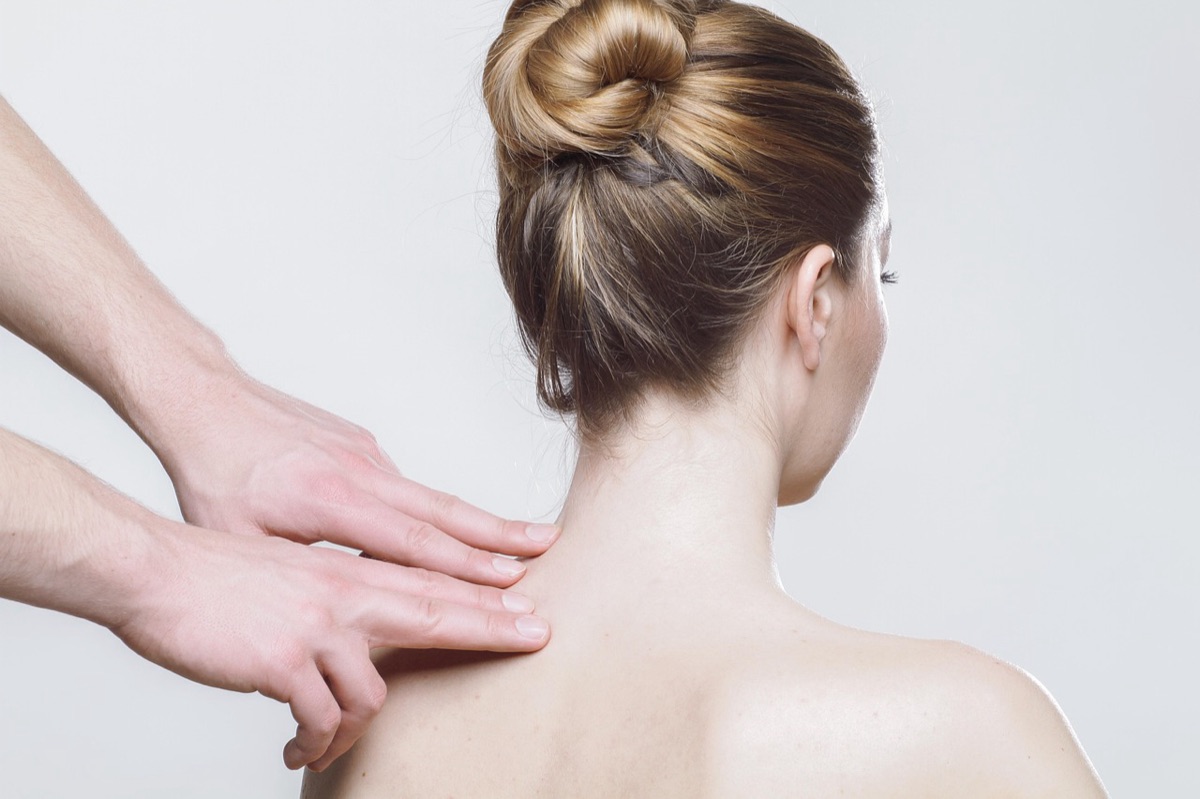
How can I master the art of the Balinese spa ritual? A heavy, warm rain begins to fall against the tropical leaves, and the sound of water hitting the stone courtyard creates a natural white noise that masks the outside world. You settle into a wooden chair, the scent of crushed jasmine filling the air.
A true Balinese spa experience is fundamentally different from a generic international massage. While a standard spa might focus solely on muscle tension, a Balinese ritual is a holistic attempt to balance the body's energy.
Traditional treatments often utilize local ingredients like coconut oil, jasmine, and various medicinal herbs to nourish the skin and soothe the spirit.
The sequence of a high-quality ritual typically follows a specific path: a cleansing ritual to wash away external stressors, followed by a deep tissue massage to release physical tension, and concluding with warm herbal compresses (*boreh*).
This transition from external cleansing to internal relaxation mirrors the spiritual journey of visiting a temple.
When choosing your sanctuary, consider the environment. High-end resort spas offer unparalleled luxury and privacy, often featuring infinity pools that overlook rice terraces. In contrast, smaller, family-run spas in areas like Ubud provide a more intimate, community-focused atmosphere.
For the most profound experience, look for packages that integrate cultural elements, such as a sound bath or a ritual involving traditional incense, to bridge the gap between the physical and the spiritual.
However, finding the right balance between these two worlds can be tricky.
How can I blend sacred sightseeing with deep rest? The sun rises over the misty mountains, casting long shadows across the emerald-green rice paddies as the first pilgrims begin their walk to the water temple.
To achieve a perfect balance, you must manage your energy levels throughout the day. A successful itinerary moves from the high-energy engagement of cultural exploration to the low-energy surrender of spa indulgence.
| Time of Day | Activity Type | Purpose |
|---|---|---|
| Early Morning | Sacred Temple Visit | Spiritual connection and cultural immersion |
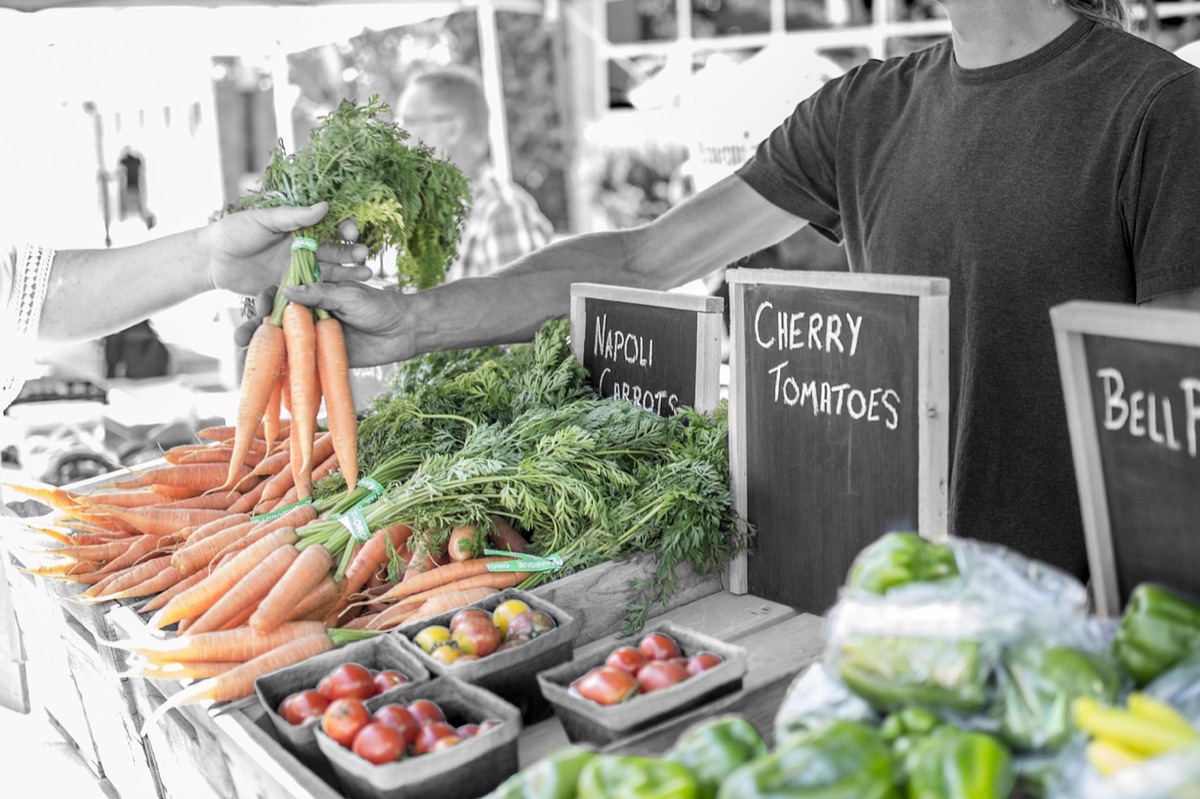
| Mid-Morning | Active Movement | Light walking or exploring local markets |
| Afternoon | Deep Spa Ritual | Physical recovery and sensory relaxation |
| Evening | Quiet Reflection | Light dining and mental stillness |
Step-by-Step: The Ideal Balanced Day
- Early Morning Immersion: Visit a significant temple, such as Tirta Empul, at sunrise. Witnessing the morning rituals before the heat and the crowds arrive allows for a more authentic connection to the sacred atmosphere.
- Mid-Morning Movement: Engage in light exploration through a local village or a walk through a botanical garden to keep the body active but not exhausted.
- Afternoon Sanctuary: Return to your accommodation for a long, structured spa treatment. This is the time to let the physical tension from travel and walking dissolve through deep tissue work and herbal wraps.
- much like the transition from sunrise to dusk, you must let the intensity of the morning fade into the stillness of the evening. End the day with a light, nutritious meal and quiet reflection, allowing the lessons of the morning and the relaxation of the afternoon to settle.
When I tried this exact routine in Ubud last year, I found that the transition from the heat of the temple to the cool, dim atmosphere of the spa was the exact moment my mental fatigue finally lifted.
But there are practical realities to keep in mind.
A Note on Travel Logistics and Safety
While exploring the beautiful landscapes of Bali, it is important to remember that the terrain can be challenging.
Daytime temperatures at low elevations can vary between 20 and 33 °C (68 and 91 °F), but temperatures decrease significantly as you move into higher elevations like Bedugul or Kintamani.
If you plan to travel between temples and spas via scooter, you must possess a valid international driving permit and comprehensive insurance. The roads can be narrow and winding, and safety should always be your priority.
Always check the local weather, as sudden tropical downpours can change travel plans instantly.
It is worth noting that this specific pairing of spiritual and physical wellness is not a one-size-fits-all solution.
For those traveling with limited mobility or those seeking high-intensity physical activity, the slow, meditative pace of a temple visit followed by a long spa session might feel too passive. It is a strategy designed for restorative stillness rather than active adventure.




Comments 0