Bali Travel Budget: See Real Costs Per Person For Your Trip
"Stop guessing your Bali budget; use real expenditure data to plan your perfect island escape."
Planning a trip to Bali often feels like trying to hit a moving target. One minute you are looking at a $20-a-night guesthouse in Ubud, and the next, you are staring at a $600-a-night private pool villa in Uluwatu.
This guide breaks down the spending spectrum so you can move from vague wondering to a concrete, actionable travel plan.
* Define your spending profile: Choose between Budget, Mid-Range, or Luxury based on your specific travel goals. * Identify variable costs: Understand how accommodation, food, and activities will fluctuate depending on your chosen region. * Respect the cultural context: Factor in costs related to local customs, such as temple offerings and specific travel etiquette. * Plan by intent: Align your budget with your primary goal, whether that is deep relaxation or high-octane adventure.

How Much Does Bali *Really* Cost? Deconstructing the Spend Spectrum
A traveler sits at a small wooden table in a Canggu cafe, staring at a smartphone screen filled with conflicting hotel prices and flight deals. The humidity of the afternoon hangs heavy, and the sound of a nearby scooter engine hums in the background.
The cost of a Bali vacation is entirely determined by the "persona" you adopt during your stay. A budget traveler typically focuses on local transport, such as renting a scooter for $5 to $8 per day, and eats primarily at *warungs* (small, family-run eateries) where a meal costs between $2 and $5.
This traveler might stay in hostels or simple guesthouses outside of prime tourist hubs to keep costs low.
In contrast, a mid-range traveler seeks a balance of comfort and authenticity. This profile usually involves staying in boutique hotels costing $60 to $120 per night and enjoys a mix of local food and trendy Western-style cafes where a meal might run $15 to $25.
They often participate in structured activities like guided trekking or professional surfing lessons.
The luxury traveler operates in a different realm entirely. This group prioritizes private pool villas starting at $350 per night, high-end fine dining, and exclusive, private tours. For them, the budget is an investment in seamless comfort and privacy.
Regardless of the budget, every traveler must account for the cultural weight of the island, such as the quietude of *Nyepi* (the Day of Silence), which can shift travel logistics and availability.
| Traveler Profile | Typical Accommodation | Dining Style | Primary Activity Type |
|---|---|---|---|
| Budget | Hostels / Local Guesthouses | Local *Warungs* | Self-guided exploration |
| Mid-Range | Boutique Hotels | Mix of Local & Cafes | Guided tours & classes |
| Luxury | Private Pool Villas | Fine Dining & Beach Clubs | Private drivers & exclusive tours |
But choosing a profile is only the beginning; you still have to pick a place to actually live.
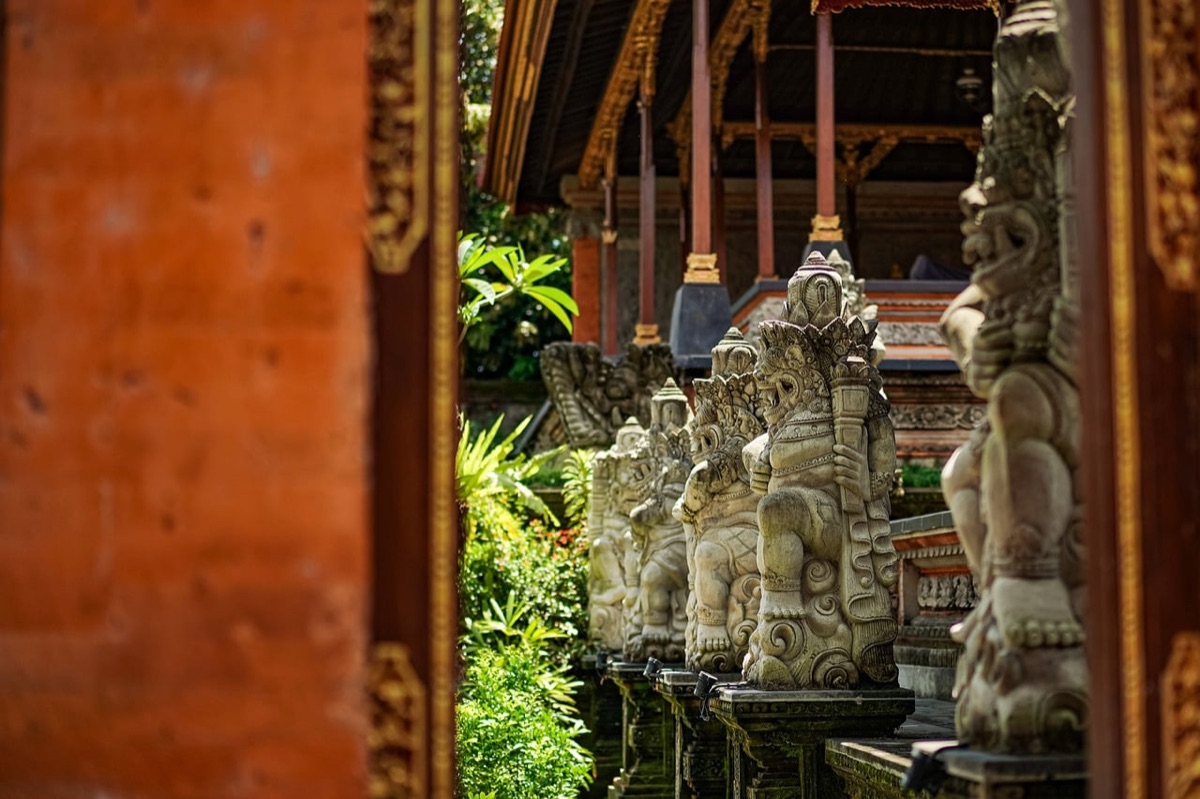
Where can I stay that fits my budget and vibe? She traces the map in her notebook at dusk, feeling the cool breeze drift through the open balcony doors.
A traveler walks through a lush, green rice terrace in Ubud, the smell of incense and damp earth filling the air. In the distance, the sound of a gamelan orchestra drifts from a nearby temple.
Choosing a base is the most significant decision in your budgeting process because prices vary wildly by district. Ubud is the heart of culture and spirituality, perfect for those seeking yoga retreats and jungle views, but prices can spike during peak festival seasons.
Seminyak offers a more upscale, trendy vibe with high-end shopping and beach clubs, making it a pricier choice for those who want to be in the center of the action.
Canggu is the hub for the digital nomad and surf culture, offering a mix of trendy cafes and laid-back vibes, while Uluwatu provides dramatic cliffside views and luxury resorts that cater to a more exclusive crowd. When deciding, you must match the "vibe" to your spending capability.
A luxury villa in Uluwatu will cost significantly more than a boutique room in Ubud, but the experience of waking up to an ocean view is a different kind of value.
To maximize your budget, consider the timing of your booking. High season brings inflated prices across all regions, whereas the shoulder season can offer incredible deals on high-end villas.
Always check the specific character of the area; a "beachfront" room in one district might be a hundred yards from the sand, while in another, it might be directly on the shore.
However, even with a perfect room, the daily spending can still catch you off guard.
What will my daily expenses in Bali actually look like? A traveler sits at a colorful table in a seaside restaurant, looking over a receipt that includes a mix of local spicy dishes and a fresh coconut drink.
To build a realistic budget, you must look past the flight and hotel costs and itemize daily living expenses. Food costs are highly variable. A meal at a local *warung* might cost only $2 to $4, while a brunch at a trendy Canggu cafe can easily reach $20 to $30 per person.
Fine dining in areas like Seminyak can push that much higher.
Activity costs also require careful planning. A simple day trip to Nusa Penida involves boat transfers and local transport, which can add significant daily costs compared to staying local for yoga classes or temple visits. Transportation is another major variable.
Renting a scooter is the most budget-friendly option but requires confidence and a valid license. Using ride-hailing apps like Grab or Gojek is affordable for mid-range travelers, while hiring a private driver for the day is the standard for luxury travelers and groups.
Finally, do not forget the hidden costs. Travel insurance is non-negotiable, especially if you plan to ride scooters. Small fees for temple offerings, tipping guides, and incidental costs like laundry or bottled water should always be factored into your daily spending limit.
But why do prices fluctuate so much between different travelers and seasons?
Deep Dive: Understanding Bali's Tourism Footprint (Contextualizing Your Spend)
A researcher looks at a series of growing bar charts on a computer screen, noting the upward trend of global travel movements.
Understanding the economic context of your destination helps you understand why prices and crowds fluctuate. In 2012, according to the World Travel & Tourism Council, travel and tourism made a total contribution of 8.9% of GDP and supported 8% of total employment in Indonesia.
This underscores how vital tourism is to the local economy and why infrastructure is so heavily focused on visitor needs.
The scale of tourism in Indonesia is significant. According to World Bank data, Indonesia recorded international tourist arrivals of 4,053,000 in 2020. While global travel saw massive shifts during that period, the underlying momentum of Indonesian tourism remains a key driver of its economy.
In 2018, Denpasar, Jakarta, and Batam were among the ten cities globally with the fastest tourism growth at 32.7%, 29.2%, and 23.3% respectively, showing the rapid expansion of the sector.
These numbers reflect a massive industry that supports millions of livelihoods. When you spend money in Bali, you are participating in an economy that has been shaped by decades of global travel trends.
The growth of the sector, which the World Tourism Organization (UNWTO) forecasted to continue at an average annual rate of 4 percent as of 2004, ensures that there is a wide variety of service levels available for every type of traveler.
While these trends explain the macro-economy, you need practical ways to manage your own money.
Pro-Tips for Maximizing Your Ringgit/Won/Yen (Budget Hacks)
A traveler negotiates a price at a local market, smiling warmly at the vendor while pointing to a hand-woven sarong.
Maximizing your budget does not mean sacrificing quality; it means making smarter choices. Advance booking is your best friend. Securing your accommodation and major tours months in advance can save you hundreds of dollars compared to last-minute bookings during peak season.
When interacting with local vendors, remember that polite negotiation is a part of the culture in many areas, but it should always be done with respect. Do not haggle over pennies for items that represent a significant portion of a local family's income.
Instead, focus on finding a fair price that reflects both your budget and the value of the craft.
Cultural etiquette is also a form of "social budgeting." For example, always carry a sarong in your bag for temple visits to avoid paying for rentals or being denied entry.
Respecting local customs, such as observing the silence of *Nyepi* or dressing modestly at sacred sites, ensures a smooth trip without unexpected logistical hurdles. Finally, keep an eye on currency fluctuations.
Using local ATMs and understanding the current exchange rate will help you manage your cash more effectively.
Summary of Budgeting Steps
- Identify your persona: Decide if you are Budget, Mid-Range, or Luxury.
- Select your regions: Match your persona to the right area (e.g., Ubud for culture, Uluwatu for luxury).
- Itemize daily costs: Calculate food, transport, and activity expenses separately.
- Account for hidden fees: Include insurance, tips, and cultural requirements.
- Plan for the season: Adjust your spending based on peak vs. off-peak timing.
#







Comments 0