Bali Travel Guide: Weather vs. Cost for Your Dream Trip
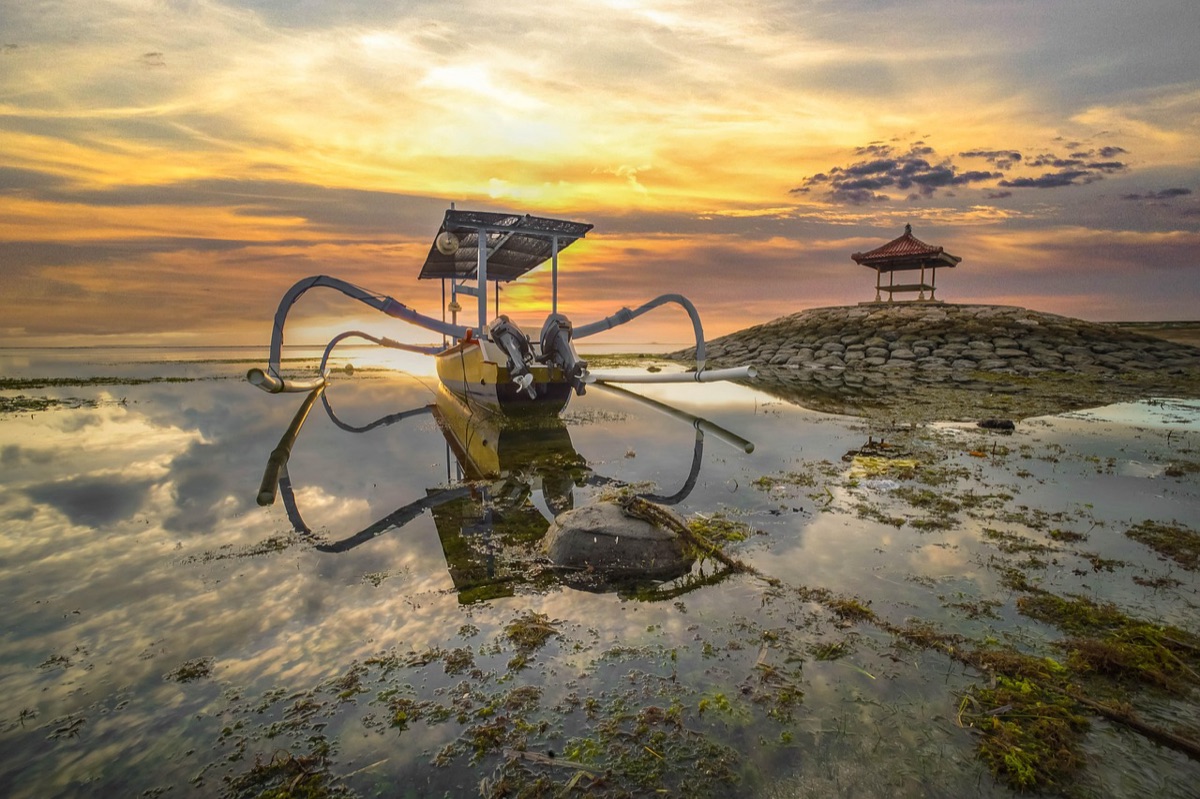
"The sun sets in gold over the Indian Ocean, but the clouds are already gathering in the distance, forcing a choice between a perfect tan and a sudden downpour."
Deciding when to book your flight to Bali is often harder than picking which villa to stay in. You are essentially balancing the desire for endless sunshine against the desire to save money and see lush, green landscapes.
* The shoulder seasons offer the best balance of weather and cost savings. * The wet season brings dramatic scenery but requires flexibility regarding rain. * The dry season guarantees sunshine but commands premium pricing. * Understanding the micro-climates dictates your ideal travel window.
When is the Best Time to Visit Bali? (Dry vs. Wet Season Deep Dive)
A traveler stands at a busy intersection in Denpasar, wiping sweat from their forehead while looking at a weather app that promises a 20% chance of rain. They wonder if that 20% means a light mist or a tropical deluge that ruins their beach club plans.
The dry season, typically running from April to October, is the gold standard for sun-seekers. During peak months like July and August of 2025 and 2026, the skies are clear, the humidity is manageable, and the ocean is at its most inviting.
However, this is also when the island is at its most crowded and expensive.
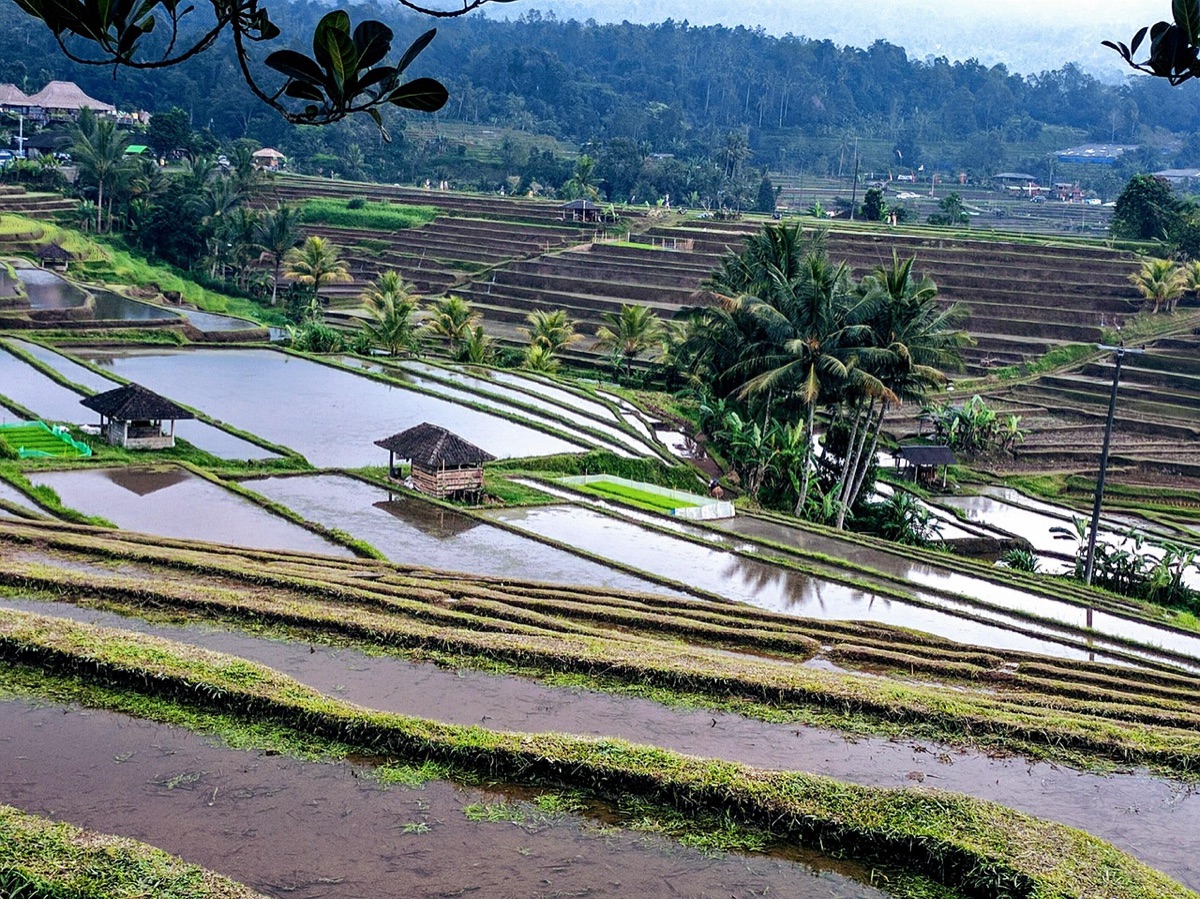
In contrast, the wet season arrives around November through March. While the rain can be intense, it often comes in heavy, predictable bursts that leave the afternoons clear. The landscapes transform into a vibrant, electric green that you simply won't see during the dusty dry months.
If you want the best of both worlds, look toward the shoulder months of April, May, June, and September. During these windows, you often find a beautiful balance of sunny days and lower prices. It is the strategic traveler's way to secure a luxury villa without the peak-season surcharge.
Cultural timing also plays a role in your itinerary. For example, during Nyepi—the Day of Silence—the entire island shuts down. No one is allowed on the streets, no lights can be turned on, and even the airport closes.
Planning your visit around these unique cultural moments can make your trip profound or incredibly frustrating depending on your goals.
How Does Weather Affect Your Bali Experience? (Beyond Just Rain)
A hiker reaches the edge of a steep ridge in Munduk, breathing in the cool, thin air that feels worlds away from the humid coast. They realize that the thermometer in their hand tells a very different story than the one they felt at the beach this morning.
Because Bali is located just 8 degrees south of the equator, it maintains a fairly even climate year-round. The average year-round temperature stays around 30 °C (86 °F), but the humidity level often hovers around 85%.
This constant warmth means you are always in vacation mode, but the air can feel heavy. When I traveled through the highlands last year, the sudden drop in temperature caught me completely off guard.
Temperature nuances are vital for planning your daily activities. At low elevations, daytime temperatures generally vary between 20 and 33 °C (68 and 91 °F). However, as you move into the highlands of Bedugul or Kintamani, the temperatures decrease significantly.
If you are trekking through the mountains, you might actually need a light jacket.
The nature of the rain also changes your experience. In the wet season, you aren't just dealing with rain; you are dealing with monsoon dynamics. These can range from light, scattered showers to intense, heavy downpours that can temporarily turn roads into rivers.
Your activity choice should match the weather. If you are looking for world-class surfing or tanning on a beach in Uluwatu, the dry season is your best bet.
If your goal is trekking through the Tegallalang rice terraces or chasing waterfalls in North Bali, the lushness of the wet season provides a much more dramatic backdrop.
Budgeting for Bali: How Seasonality Impacts Your Spend
A traveler sits in a quiet cafe in Ubud, staring at a luxury villa listing that costs twice as much as the one they saw last year. They realize that the calendar is just as important as the destination when it comes to their bank account.
According to World Bank data, Indonesia recorded GDP per capita of US$5,060 in 2025.
High season costs are a reality of life in Bali. During the peak dry months, accommodation, flights, and even local transport prices can skyrocket. If you try to book a private pool villa in Seminyak during August, you will pay a significant premium compared to any other time of year.
The low season offers deep savings for those willing to brave the rain. During the wet season, you can often find luxury villas that would normally be out of budget available at a fraction of the cost. This is the time to score high-end accommodations for the price of a mid-range hotel.
A mid-range strategy involves targeting the shoulder seasons. By traveling in May or September, you can often secure premium services and better flight deals while still enjoying relatively stable weather. It is the most efficient way to maximize your "bang for your buck."
It is important to remember that the local economy is heavily dependent on these fluctuations. Tourism-related business makes up 80% of the Bali economy.
This means that during the low season, you might find some local businesses closing temporarily, but you will also find much more personalized service from those that remain open.
Beyond Weather: Choosing Your Perfect Bali Vibe (Location Match)
A group of friends stands on a busy street in Canggu, debating whether to head to a beach club or a yoga studio. They realize that the "v�vibe" of the neighborhood is just as much a factor as the weather.
Your choice of location must align with your seasonal goals. If you want a social, high-energy atmosphere with constant sun, areas like Seminyak or Canggu are perfect during the dry season. These spots are built for the sun-soaked lifestyle of beach clubs and surfing.
If you are looking for a more contemplative or cultural experience, Ubud is the place to be. While it can get quite humid, the lush greenery of the jungle and the rice fields is at its peak during the wetter months.
For those seeking peace, the highland areas offer a cooler escape from the coastal heat.
Logistics also change based on where you stay. In coastal areas, extreme rain can sometimes lead to localized flooding or difficult road conditions. In more mountainous regions, heavy rain might make trekking paths slippery or inaccessible.
Always check the local conditions of your specific district before setting out on a long journey.
| Feature | Dry Season (High) | Wet Season (Low) | Shoulder Season (Sweet Spot) |
|---|---|---|---|
| Weather | Sunny, low humidity | Heavy rain, high humidity | Mostly sunny, moderate humidity |
| Crowds | Very high | Low | Moderate |
| Cost | Premium pricing | Deep discounts | Balanced pricing |
| Landscape | Golden, dry, dusty | Lush, vibrant, green | Balanced greenery |
| Best For | Beach & Surfing | Nature & Photography | All-around travelers |
How Do I Plan My Trip? (A Step-by-Step Checklist)
A traveler flips through a notebook, checking off pros and cons to make a final decision. They need a clear way to see if the trade-offs are worth the effort.
To ensure you don't miss the best of Bali, follow this planning sequence:
- Identify your primary goal: Do you want to surf in Uluwatu (Dry Season) or hike in Munduk (Wet Season)?
- Check the cultural calendar: Look up dates for Nyepi or local temple festivals to avoid travel restrictions.
- Select your base: Choose coastal areas for sun and highland areas for cooler temperatures.
- Set a realistic budget: Factor in a 30% to 50% price increase if traveling during July or August.
- Pack for micro-climates: Always include a light rain shell and a light sweater, regardless of the month.
Dry Season * Pros: Guaranteed sunshine, clear ocean views, perfect for outdoor activities. * Cons: High prices, heavy crowds, can be quite hot and dusty.
Wet Season * Pros: Incredible lush landscapes, much lower costs, fewer crowds at major sights. * Cons: Unpredictable rain, higher humidity, potential for travel delays.
Traveler Profile Match * The Budget Traveler: Choose the wet season for maximum savings. * The Romance/Sun Seeker: Choose the dry season for guaranteed beach days. * The Smart Strategist: Choose the shoulder months for the best balance.







Comments 0