Authentic Kecak Experience: Beyond Tourist Traps in Bali
"The rhythm of the chant is not just music; it is the heartbeat of an ancient story."
To truly understand Bali, you must move past the infinity pools and beach clubs to hear the rhythmic, percussive pulse of the Kecak dance. It is an immersive journey into Hindu-Balinese mythology that turns a simple spectator seat into a profound moment of spiritual connection.
Key Takeaways * The Kecak is a profound Hindu-Balinese narrative performance, not merely a stage show. * Experiencing it through local guides offers an authentic glimpse into spiritual life. * Context matters: The setting, from Uluwatu cliffs to Ubud forests, changes the energy.
* This immersion represents a shift from passive tourism to genuine cultural engagement.

What is the Kecak Dance, and Why is it Sacred?
The sun begins to dip below the horizon at Uluwatu in late July 2026, casting long, amber shadows across the stone courtyard of the temple. A group of men sits in a tight circle, their eyes focused, as they begin a low, rhythmic chant that vibrates in the chest of everyone nearby.
The Kecak dance is deeply rooted in the Ramayana, an ancient Hindu epic. Unlike many other Balinese dances that rely on a gamelan orchestra of bronze percussion, the Kecak uses the human voice as its primary instrument.
A chorus of men provides the rhythmic "chak-chak-chak" sounds, creating a wall of vocal percussion that drives the drama of the story. This vocal intensity represents the monkey army assisting Prince Rama in his quest.
While the movements are choreographed, the energy is primal. The dancers tell a story of good versus evil through synchronized gestures and intense facial expressions. In many ways, the dance is a living ritual, bridging the gap between the mythological past and the present moment.
Watching it at sunset in a temple setting adds a layer of sanctity that a modern theater simply cannot replicate. But how do you move from being a mere observer to a participant in this energy?
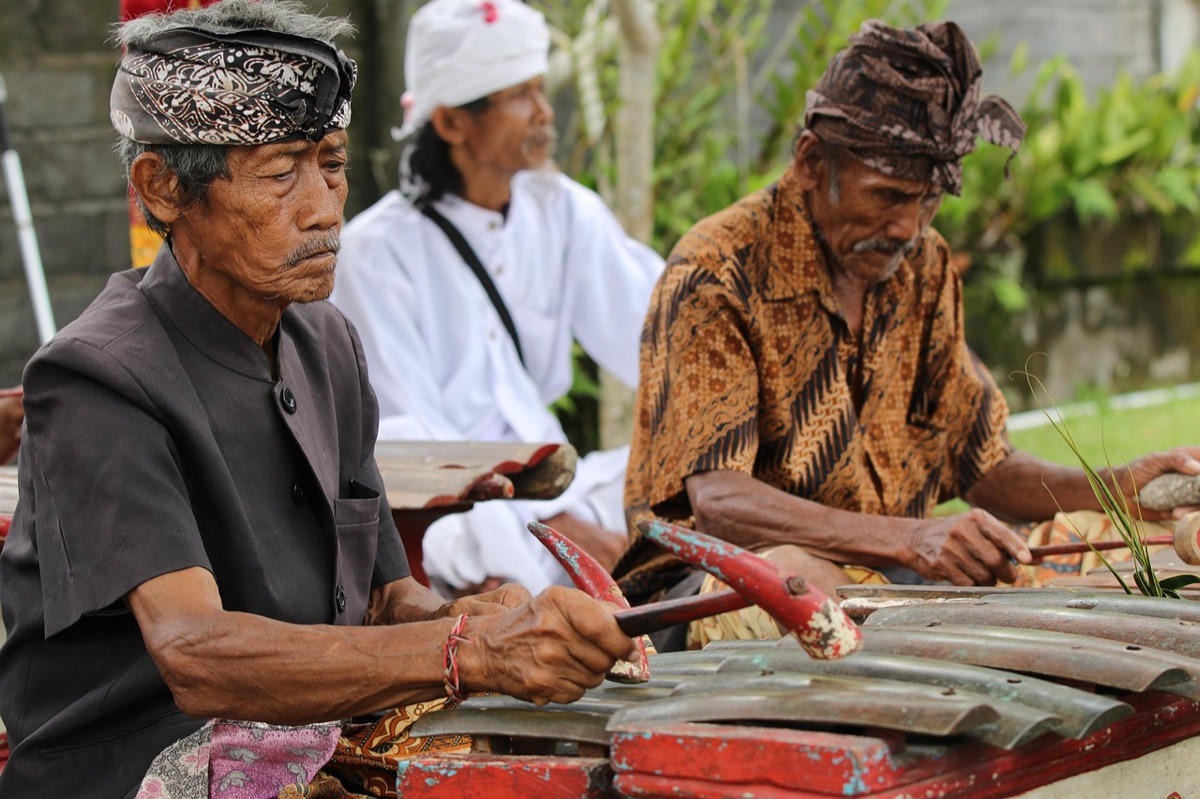
Beyond Watching: How to Truly Experience the Kecak with Locals
Walking through the heavy gates at dusk, the thick heat of the evening clings to your skin while the distant pulse of vocal percussion draws you deeper into the village.
Walking through a crowded gate at a major tourist site at 6:00 PM, you might feel more like a spectator in a line than a guest in a sacred space. The heat is heavy, and the chatter of hundreds of travelers competes with the sounds of the island.
To move beyond the "tourist trap" feeling, you must seek out local guides who specialize in cultural storytelling. Mass-produced shows can feel hollow, but a guided experience often includes a briefing on the mythological significance of the characters before the performance begins.
This context transforms the spectacle into a narrative you can actually follow. When I sat in the front row during a performance in Ubud last year, the sheer volume of the voices hit me like a physical wave, making the story feel much more real than any textbook could.
Logistically, booking through a local community-based organization ensures your visit supports the village that maintains the tradition. When visiting, etiquette is paramount.
You should wear a sarong and a sash to respect the temple grounds, and you must maintain a respectful silence during the more intense, prayerful moments of the performance.
If you are looking for a deeper dive, some local arts centers offer workshops where you can learn the basic hand gestures and vocal rhythms, providing a much more intimate connection to the craft. However, the dance is only one piece of a much larger puzzle.
How can I blend culture with comfort on my Bali trip? After a long day of exploring dusty temples and humid markets, you find yourself sitting in a quiet, air-conditioned lounge in Seminyak at 9:00 PM, looking at a map of the island.
The transition from the intense energy of a dance to the stillness of your accommodation is a vital part of the Balinese travel rhythm.
A successful Bali itinerary balances high-energy cultural immersion with restorative downtime. For example, spending your mornings exploring the spiritual heart of Ubud and your evenings witnessing a Kecak performance provides a perfect cultural loop.
Following such an intense sensory experience, transitioning to a high-end spa or a private pool villa is not just a luxury—it is a way to process the day.
The choice of your home base dictates your experience. Ubud is the epicenter for those seeking deep spiritual and artistic pursuits, while areas like Seminyak or Canggu offer a more modern, social atmosphere.
Because tourism-related business makes up 80% of the Bali economy, understanding how these local communities sustain their traditions through tourism is key to being a responsible traveler. But what else defines the soul of this island beyond the stage?
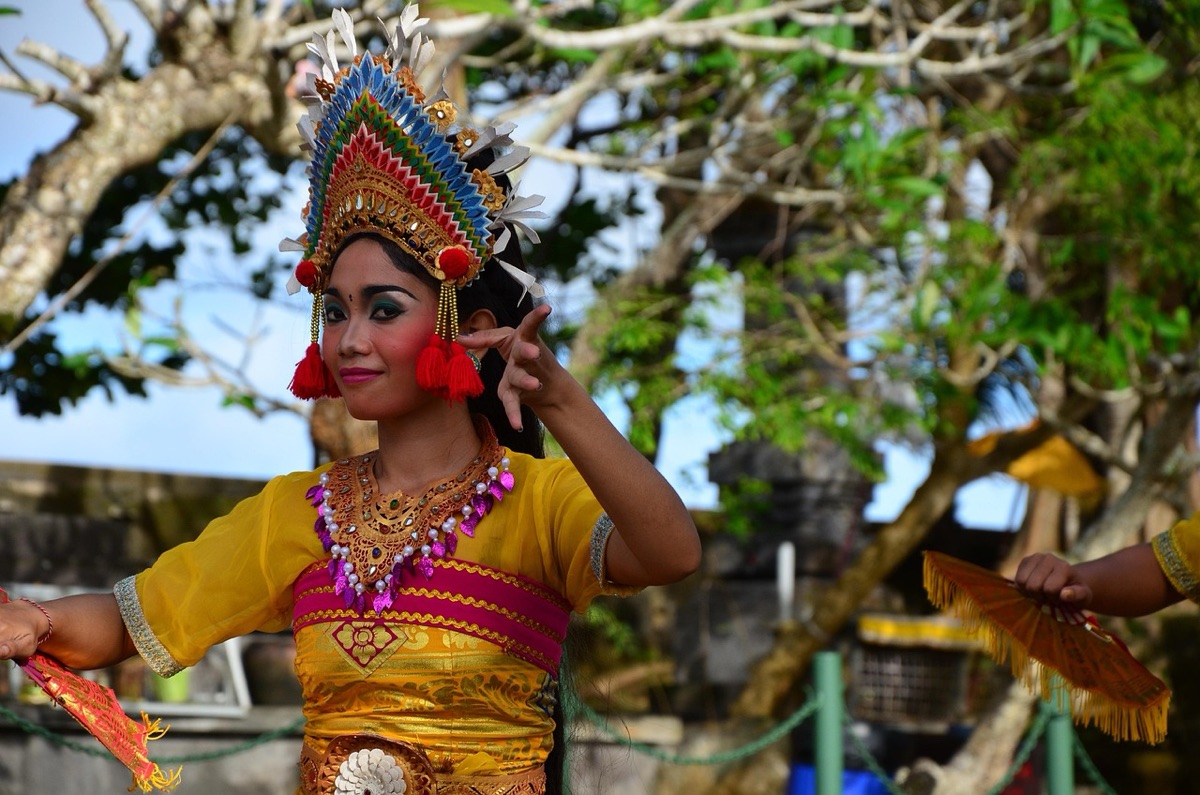
What other rituals define life in Bali? In the early morning at 5:30 AM, a woman kneels on the sidewalk, her fingers delicately arranging colorful flower petals into a small palm-leaf basket. She places it on the ground, whispers a quick prayer, and moves on to the next corner.
The Kecak is just one thread in a much larger tapestry. In Bali, life is a constant cycle of offerings and rituals.
You will see *Canang Sari* (small flower offerings) placed at every doorway, and you will experience the profound silence of *Nyepi*, the Day of Silence, where the entire island shuts down to honor the transition of the new year.
These rituals are tied to the land and the agricultural cycles, such as the maintenance of the subak (irrigation) systems in the rice paddies. The dance, the temples, and the daily offerings all work together to maintain a balance between the human and the divine.
This holistic way of life is what makes the intensity of a Kecak performance so different from the quiet, meditative devotion found during a sunrise temple visit. To navigate these layers, you need a clear plan.
Planning Your Immersion: Practicalities for the Modern Traveler
You stand at a crossroads in a busy intersection in Denpasar, checking your phone for the quickest route to the next destination while trying to keep your sarong tucked in place. The heat is rising, and you realize you need a plan to navigate the crowds.
According to World Bank, Indonesia recorded a total population of 285,721,236 in 2025.
To transition from a tourist to a respectful participant, follow this practical checklist:
- Timing: Most major performances occur at sunset. Arrive at least 45 minutes early to secure a seat and settle into the atmosphere.
- Attire: Always carry a sarong in your bag. Even if you are in a casual area, you will need it to enter temple grounds.
- Booking: For authentic experiences, look for community-run shows in Ubud or Uluwatu. Avoid "express" tours that rush through the cultural context.
- Guide Selection: Hire a local guide for at least one cultural outing. The ability to have the story translated and explained in real-time is worth the investment.
- Respect: Never stand higher than the priest or the sacred offerings during a ceremony.
While the crowds can be overwhelming, the value of a local guide is immeasurable. They act as the bridge between your curiosity and the community's traditions, ensuring you participate with dignity rather than just observing from a distance.
| Feature | Mass-Tourism Show | Local Community Performance |
|---|---|---|
| Atmosphere | High energy, crowded, loud | Intimate, ritualistic, authentic |
| Context | Minimal explanation | Deep mythological storytelling |
| Holder | High turnover of performers | Often supports local artists directly |
| Best For | Quick photo opportunities | Deep cultural immersion |
#







Comments 0