Bali Lemon Tree Forest history: Why visit today?
The history of the Bali Lemon Tree Forest remains an intricate tapestry of local tradition and natural preservation. Exploring these woods provides a window into the cultural landscape that shaped the island's identity long before modern tourism arrived.
The historical background of the Bali Lemon Tree Forest involves understanding the intersection of royal lineage and the natural environment. This guide explores the legacy of the land, how its significance evolved, and tips for understanding the local environment.
What defines the Bali Lemon Tree Forest history?
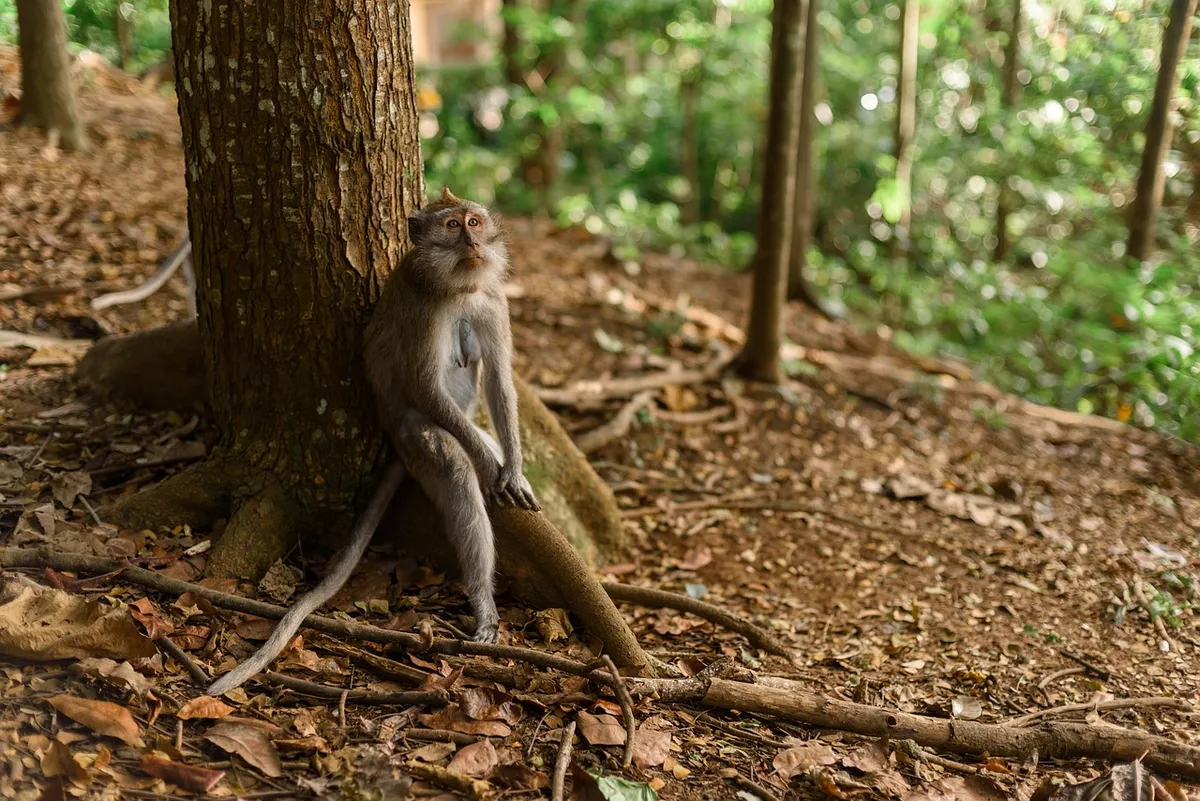
Walking through a shaded grove, one feels the weight of the past in the humid air. The Bali Lemon Tree Forest history is deeply tied to the shifting political landscapes of the island.
The historical context of these lands often intersects with the legacy of various local rulers.
According to the Wikipedia: History of Bali, the Bali Kingdom List of monarchs of Bali Bali Museum Barski, Andy; Beaucort, Albert; Carpenter, Bruce (2007) provides a record of the leadership that governed these regions.
This historical connection suggests that the management of natural resources was often a royal prerogative.
The importance of such natural sites often shifts from local sustenance to cultural heritage. Understanding the Bali Lemon Tree Forest history requires looking at how these ecosystems were viewed by previous generations.
However, the historical significance may be less apparent to those only interested in modern agricultural yields.
How does the Bali forest background influence modern visits?
A hiker steps over a protruding root, feeling the damp earth beneath their boots. The Bali forest background serves as a living museum for those who study the island's ecological history.
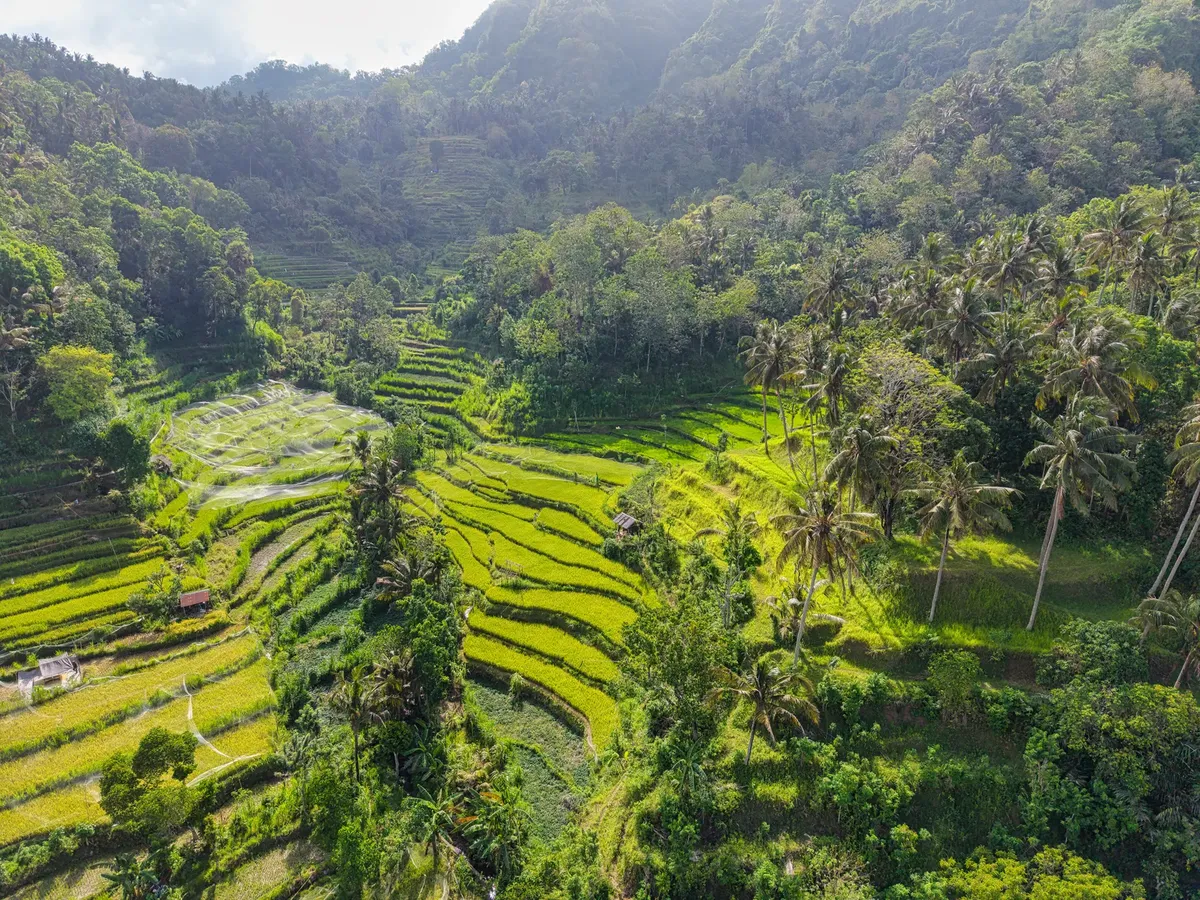
The way the land was cultivated in the past dictates the current vegetation and soil quality. This Bali forest background ensures that the ecological identity of the area remains distinct from more urbanized parts of the island.
The environment serves as a reminder of the natural beauty that existed before large-scale development. This Bali forest background provides a sense of continuity for visitors seeking an authentic connection to the island.
- Observe the original landscape layouts.
- Trace the historical growth patterns.
- Compare ancient vegetation with current flora.
Why is the ancient Bali setting relevant to explorers?
An explorer pauses to look up at the canopy, where sunlight filters through the leaves in golden streaks. The ancient Bali setting offers a glimpse into a time when the relationship between humans and nature was more direct.
The terrain reflects the geological and biological history of the region. This ancient Bali setting allows travelers to witness the enduring strength of the local ecosystem.
The landscape provides a physical connection to the historical narratives of the island. This ancient Bali setting invites a deeper appreciation for the natural world.
I find that the second step in understanding this context is the most detailed.
What can we learn from the Lemon Tree Forest origins?
A researcher examines a leaf, noting the texture and the way it catches the light. The Lemon Tree Forest origins are rooted in the specific agricultural and environmental conditions of the region.

The way plants were introduced or allowed to flourish tells a story of human intervention. These Lemon Tree Forest origins highlight the delicate balance between managed land and wild growth.
Understanding these roots helps visitors appreciate the current state of the greenery. These Lemon Tree Forest origins are essential for anyone interested in botanical history.
This perspective is limited when applying these ancient lessons to highly industrialized environments.
How does the Bali exploration context shape our perspective?
A traveler checks their compass, looking toward the dense treeline ahead. The Bali exploration context involves recognizing how modern travel interacts with historical sites.
The movement of people through these spaces has changed over the centuries. This Bali exploration context provides a framework for understanding the transition from local use to international interest.
The interaction between visitors and the environment is a key part of the modern narrative. This Bali exploration context helps define the responsibility of the modern explorer.
I believe the second point in this sequence provides the most significant insight.
What is the role of the forest's historical role in preservation?
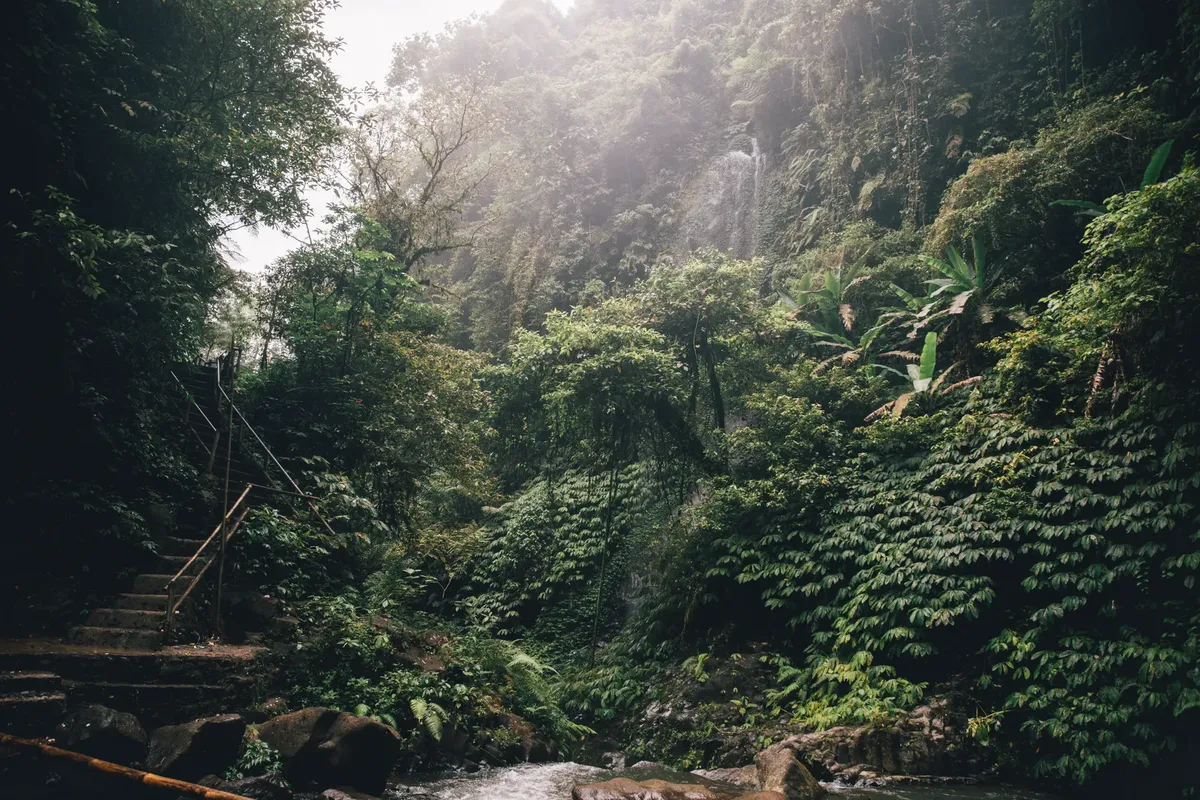
A conservationist marks a trail, ensuring the path remains clear but unobtrusive. The forest's historical role often dictates the current conservation efforts in place.
The way the land was used in the past influences how it is protected today. This forest's historical role is a primary driver in maintaining the area's integrity.
Preservation efforts are often a response to the historical significance of the site. This forest's historical role ensures that the legacy of the land is not lost to time.
The effectiveness of these preservation methods is limited in areas facing rapid urban expansion.
The same subject is also called Lemon Tree Forest past.
The same subject is also called Explore Bali woods.
Related
How does the Bali history inform modern stewardship?
The Bali history informs modern stewardship by showing the long-term human relationship with the land. This continuity between past use and present care is vital for the site's survival.
The initial management practices established by past rulers influenced the current sustainable approaches. This interplay between ancient governance and modern preservation defines the contemporary management of the forest.
The enduring presence of the Bali history underscores the need for careful management practices today. This reinforces the idea that current care is a continuation of past responsibilities toward the land.
What is the enduring value of the Bali history?
The enduring value of the Bali history lies in its documentation of sustainable land use. This documentation reveals patterns of coexistence between human society and the natural environment.
The past management styles offer models for contemporary ecological consideration. This provides a living lesson in how to maintain ecological balance within a cultural framework.
The Bali history serves as a testament to successful long-term interaction with the specific environmental conditions of the island. This sustained relationship proves the viability of traditional ecological knowledge.






Comments 0