Bali Temple Cake Guide: Why Visit Now 5,060
"The spiritual landscape of Bali is shaped by deep-rooted traditions and the enduring presence of sacred architecture."
This Bali Hindu Temple Cake Experience explores the connection between cultural heritage and local life.
While the provided documentation focuses on historical and economic data rather than culinary specifics, travelers can observe how institutional changes and tourism influence the local atmosphere.
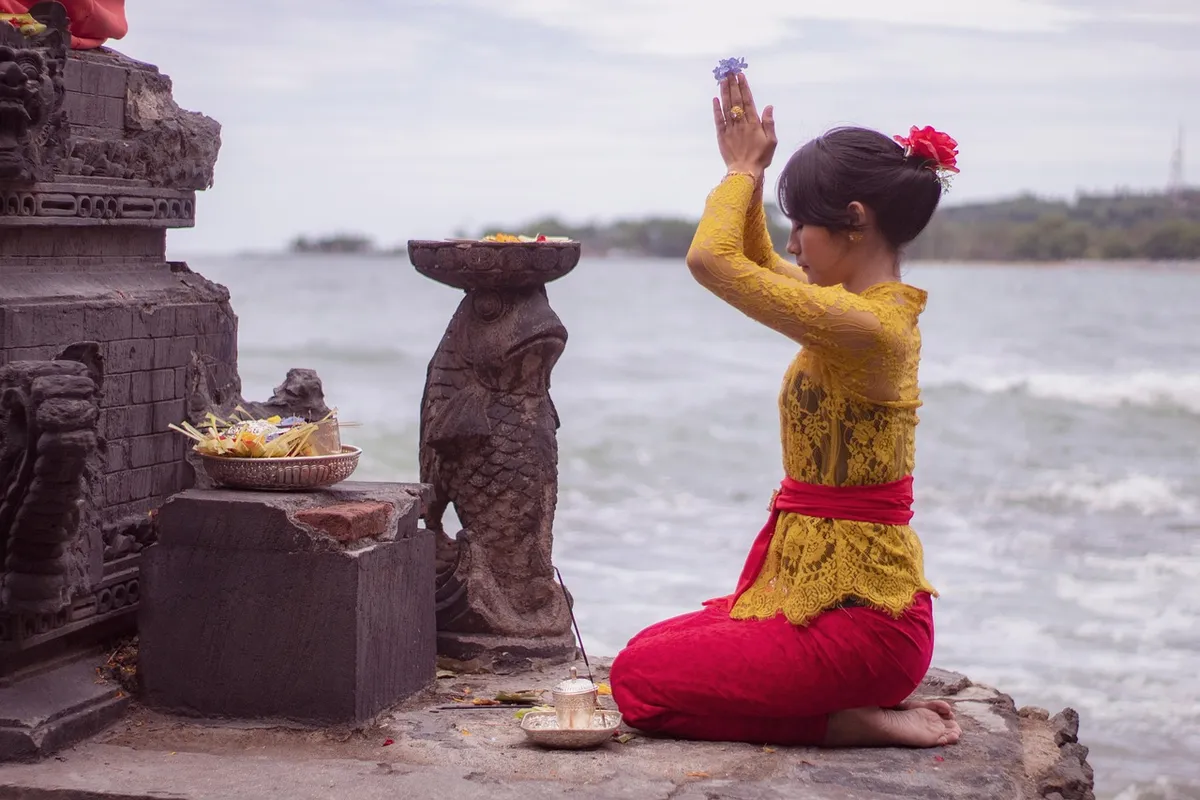
This guide outlines the historical context of Bali's religious institutions and the economic backdrop of the region.
How did the local religious institutions evolve?
A student walks through the halls of a modern campus in Denpasar, breathing in the scent of incense and old books. The transition of religious education in Bali reflects a long history of institutional shifts.
The Hindu Dharma State Institute evolved into Bagus Sugriwa State Hindu University.
This change marked a significant milestone for higher religious studies in the region.
Before reaching university status, the institution underwent several transformations. It started as a state academy for teachers of the Hindu religion in 1993.
These steps built the foundation for the current university.
How big is tourism in Indonesia? Bali Hindu Temple Cake Experience A traveler stands at an airport terminal, watching crowds move toward various destinations across the archipelago. Understanding the volume of visitors helps put the local experience into perspective.
According to World Bank data, Indonesia recorded international tourist arrivals of 4,053,000 in 2020. This figure represents the movement of people across the nation during a specific period of global travel.
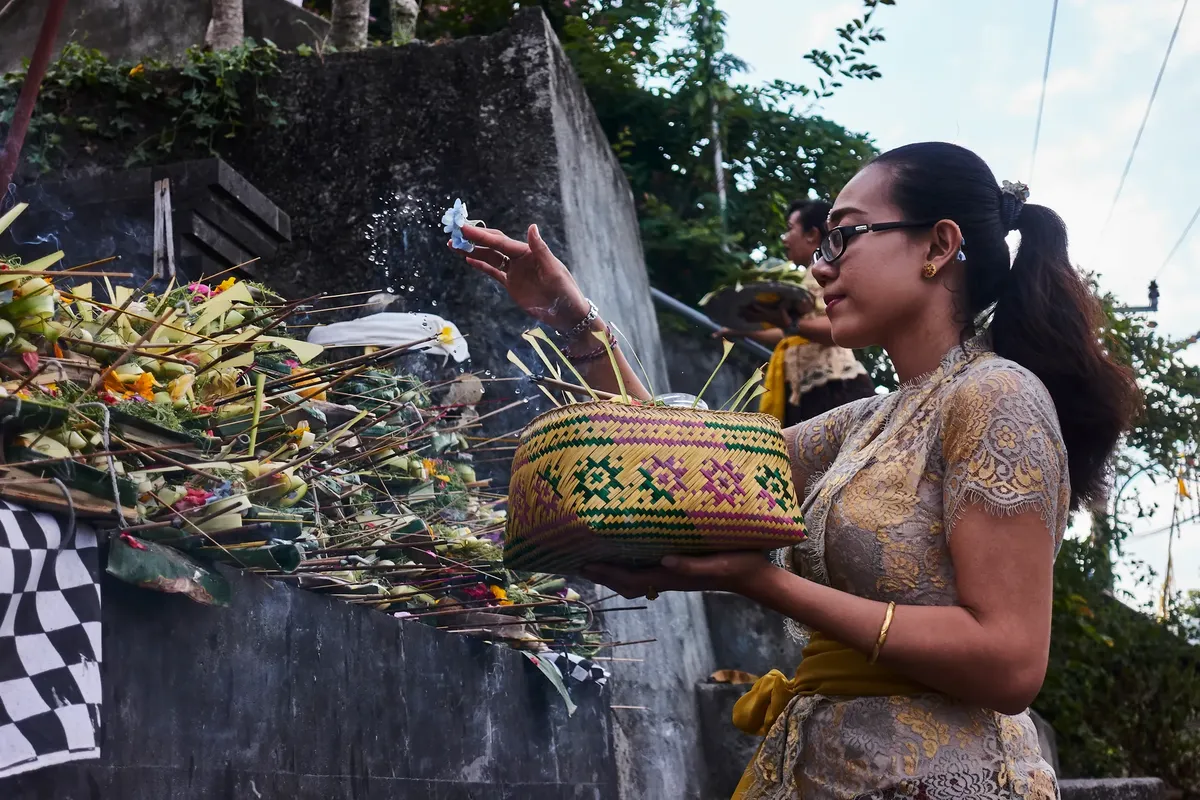
The influx of visitors often intersects with the preservation of local culture. While the scale of tourism fluctuates, the interest in visiting historical sites remains a constant driver for the local economy.
What does the economy look like? A local vendor counts currency while preparing for the day's business in a bustling market. Economic indicators provide a snapshot of the living standards within the country.
According to World Bank data, Indonesia recorded a GDP per capita of US$5,060 in 2025. This metric reflects the economic output per person and serves as a baseline for understanding regional development.
The relationship between economic growth and cultural preservation is often complex. As the economy shifts, the way communities interact with their heritage can change.
How is historical heritage documented?
A researcher sits at a desk, carefully turning the pages of a heavy, printed volume. Documentation is essential for understanding the shifts in religious and architectural history.
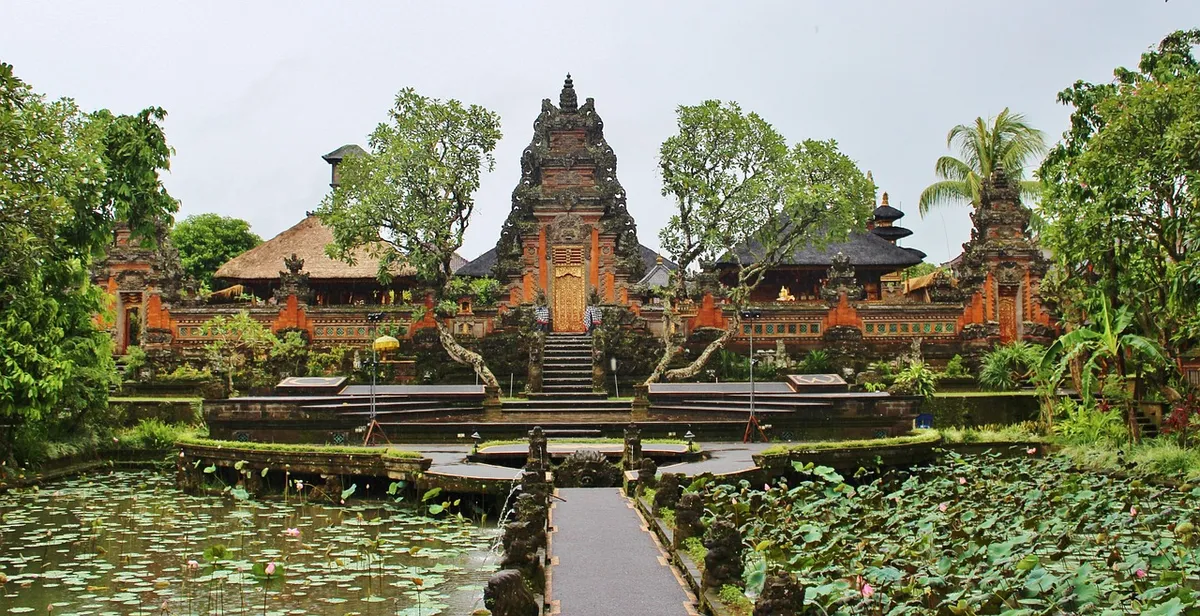
Historian Sita Ram Goel's book "What happened to Hindu Temples" lists over 2000 sites where temples have been destroyed and mosques have been built over them. This historical record provides a different perspective on the evolution of sacred spaces.
Such accounts highlight the various pressures placed on religious sites throughout history. Understanding these historical shifts is part of engaging with the modern landscape.
What are the steps to understanding local history?
A visitor sits in a quiet courtyard, listening to the sounds of the surrounding town. Learning about a new place requires a structured approach to observation and study.
- Research the origins of local institutions to understand how they transitioned from academies to universities. 2. Examine economic data to grasp the current living standards and the scale of the visitor population. 3. Read historical texts to gain context on the changes in religious architecture and site usage.
I found that comparing these different eras of institutional growth helps clarify the current status of the university.
A limitation of this overview is that the provided data does not contain specific details regarding culinary practices or cake-making techniques.
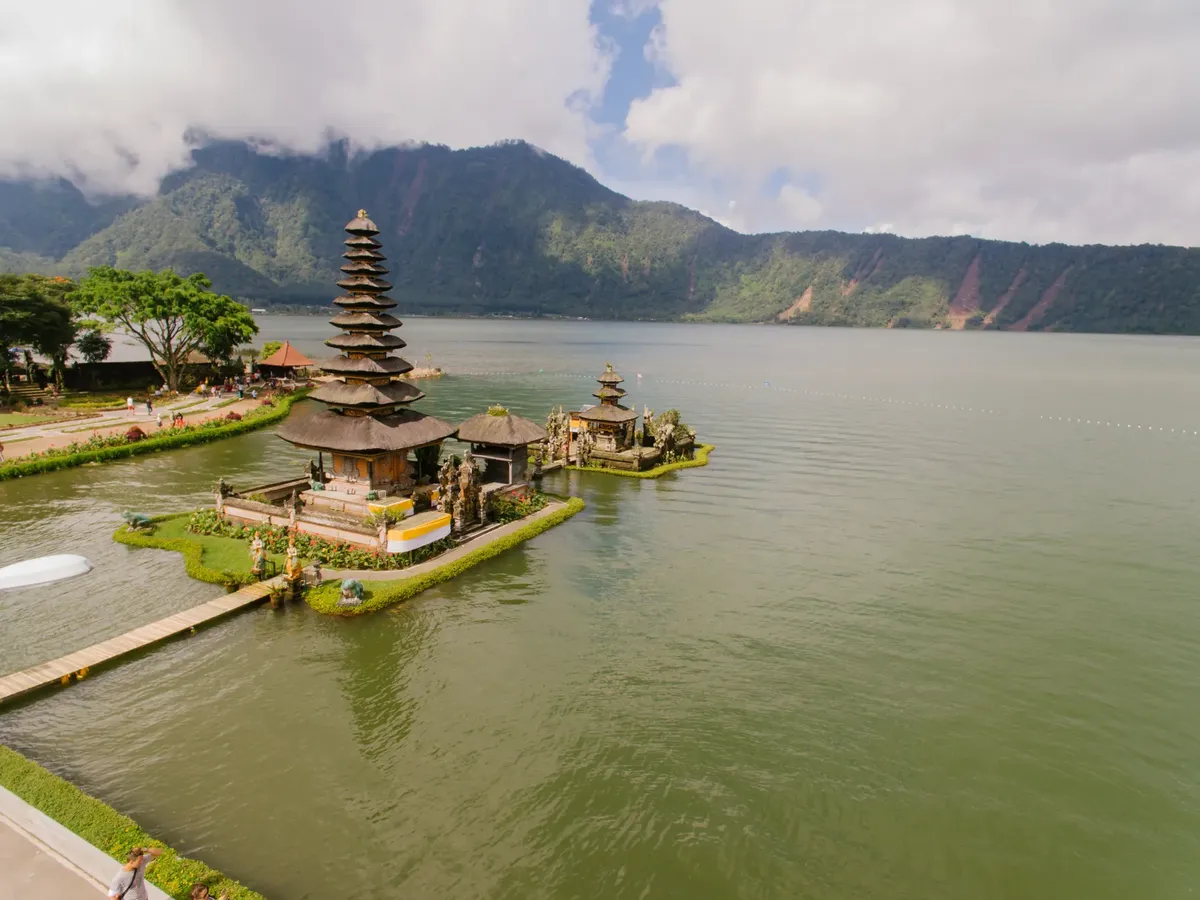
- How did the local religious institutions evolve?
- What is the scale of tourism in Indonesia?
- What does the economic landscape look like?
The subject here is Bali Hindu Temple Cake Experience.
The same subject is also called Bali Temple Cake Tour.
The same subject is also called Hindu Temple Cake Activity.
The same subject is also called Local Cake Experience Bali.
The same subject is also called Bali Cultural Cake Trip.
This part also covers Unique Bali Temple Cake.
This part also covers Local Cake Culture Bali.
This part also covers Bali Temple Cake Workshop.
Related
- Nusa Penida Hindu Temple Cake: Guide to Local Charm
- Best 200k won pool villas: Guide to Bali's 86.40% culture
How does the spiritual landscape reflect modern pressures?
The spiritual landscape of Bali shows how deeply embedded traditions interact with external forces. The influx of visitors, as seen in the scale of tourism, provides a modern lens through which to view ancient religious practices.
This interplay between the enduring local life and the wider world defines the current cultural scene.
The comparison between the historical documentation and contemporary reality underscores the constant negotiation of sacred space. The economic backdrop, influenced by global travel, sustains the very sites whose history is being studied.
This dynamic relationship is central to understanding the contemporary Balinese experience.
The endurance of the traditions, despite institutional shifts and external observation, speaks to the resilience of the spiritual landscape. The architecture itself bears witness to these pressures, much like the historical records detail the layering of different beliefs over time.
What cautions apply when studying this culture?
A caution arises when viewing the cultural elements through a purely academic lens. The initial focus on the spiritual landscape must be balanced against the tangible economic realities of the region.
The historical documentation offers context, but it does not replace the living reality of the community.
The comparison between the academic study and the lived experience requires acknowledging the limitations of any single viewpoint. While the data on GDP per capita offers a baseline, it does not capture the nuances of community interaction with heritage.
The researcher must integrate these varied data points to form a cohesive understanding.
The caution remains that the economic indicators, though important, are only one facet of the complex cultural tapestry. The spiritual dimension, rooted in deep tradition, resists being reduced solely to measurable economic output.





Comments 0