Hyundai electric bus Bali: Tips for eco-friendly transit
The shift toward sustainable transit in Indonesia marks a significant change in how travelers move through iconic landscapes. Hyundai electric bus Bali integration offers a cleaner way to navigate the island while preserving its natural beauty.
Key takeaways: * The introduction of electric buses provides a modern, eco-friendly transit option for travelers. * These vehicles support sustainable tourism efforts in high-traffic areas. * Travelers can enjoy quieter, smoother rides through scenic routes.
How does the Hyundai electric bus Bali transition work?
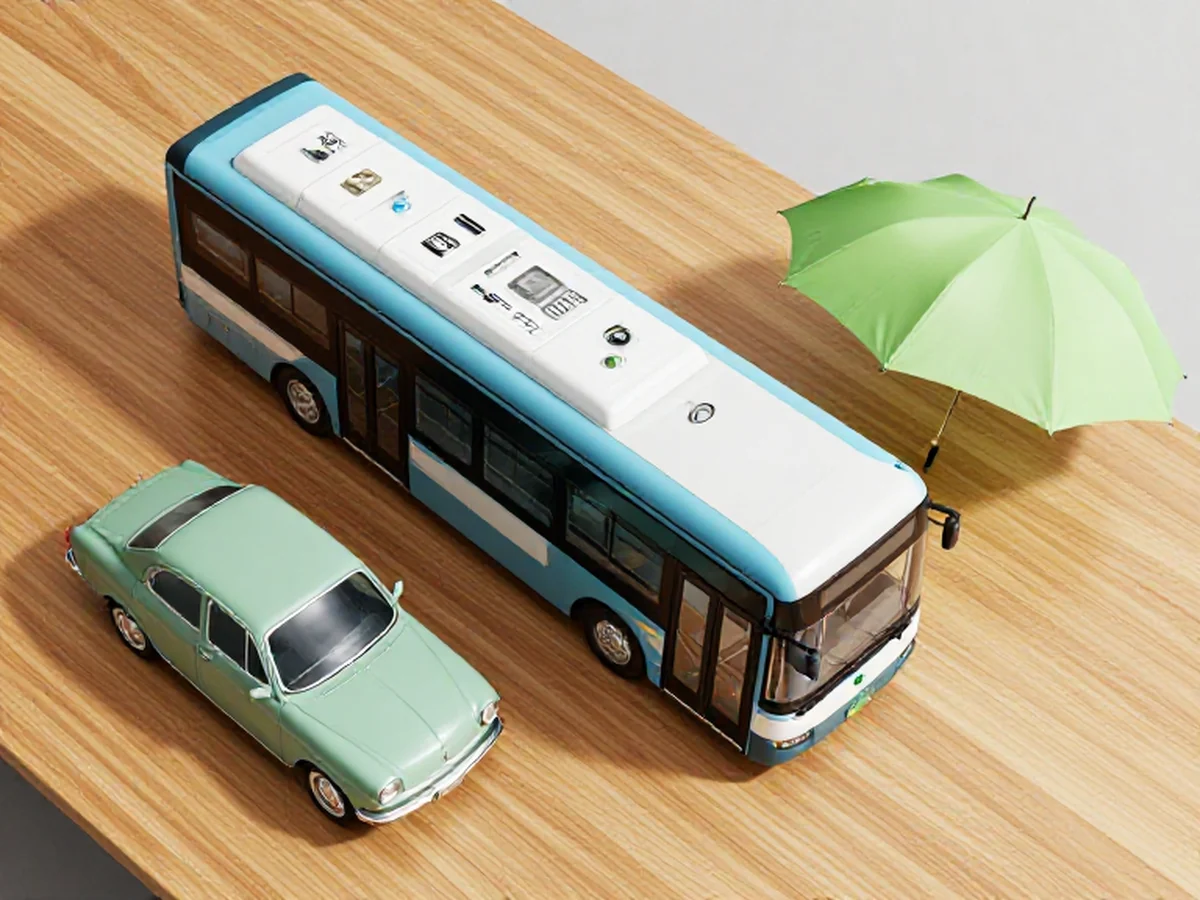
A quiet electric motor hums to life as the driver prepares for a morning route through the greenery. This Hyundai electric bus Bali initiative aims to modernize local transit while reducing the carbon footprint of island travel.
The transition focuses on replacing traditional combustion engines with zero-emission technology to protect the island's air quality. By deploying these vehicles, the goal is to provide a reliable and silent alternative to the noisy engines often heard on local roads.
This move supports a greener journey Bali can sustain for years to come.
The transition involves replacing traditional diesel-powered fleets with Hyundai's electric models to reduce tailpipe emissions and noise pollution.
Can I use this for a local electric bus tour? A group of travelers gathers near a terminal, watching the sleek, silent vehicle glide toward the curb. Using these buses for a local tour electric bus experience allows visitors to see the sights without the heavy exhaust of older models.
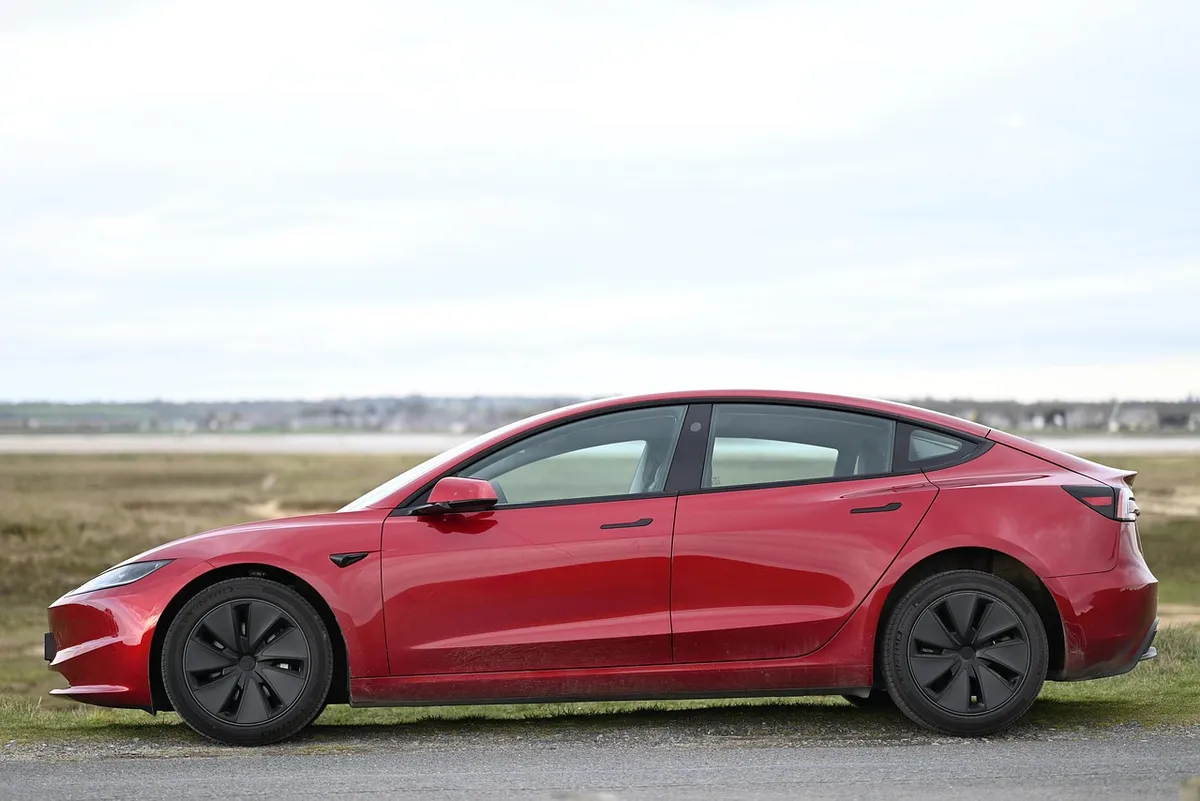
The vehicles are designed to accommodate passengers moving between major tourist hubs. This helps facilitate a more seamless connection between different regions. Integrating these modern buses into the transport network makes it easier to explore without relying solely on private cars.
Yes, these buses provide a quiet and smooth ride, making them ideal for sightseeing through Bali's scenic routes.
Is this the best eco-friendly way to get around Bali? The sun shines on the polished exterior of a bus as it pulls alongside a roadside stop. Choosing this as a form of Bali eco-friendly transport is a direct way for tourists to participate in environmental preservation.
Electric buses reduce noise pollution, which is particularly beneficial in sensitive areas near temples or quiet villages. This silent operation ensures that the natural sounds of the island are not drowned out by heavy machinery. It represents a significant step toward more mindful travel.
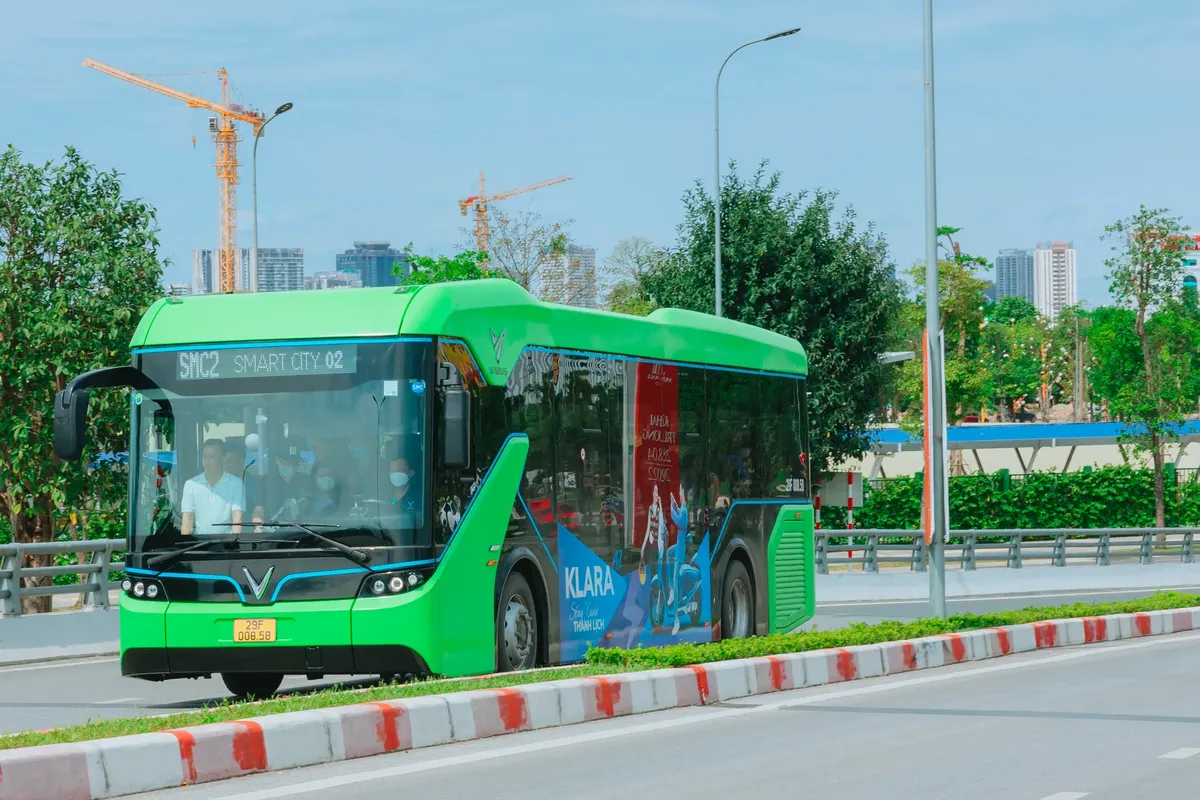
It is an excellent choice because electric motors eliminate direct carbon emissions, supporting Bali's efforts to preserve its natural environment.
What are the benefits of modern bus Bali transit?
A passenger settles into a clean, ventilated seat, feeling the smooth acceleration of the electric motor. The move toward modern bus Bali transit offers several practical advantages for both locals and visitors.
According to World Bank data, Indonesia recorded international tourist arrivals of 4,053,000 in 2020.
| Feature | Benefit |
|---|---|
| Electric Motor | Reduced noise and vibration |
| Zero Emissions | Improved local air quality |
The smooth ride quality makes long-distance travel more comfortable for those moving between coastal areas and inland attractions. This reliability is essential for maintaining a consistent schedule.
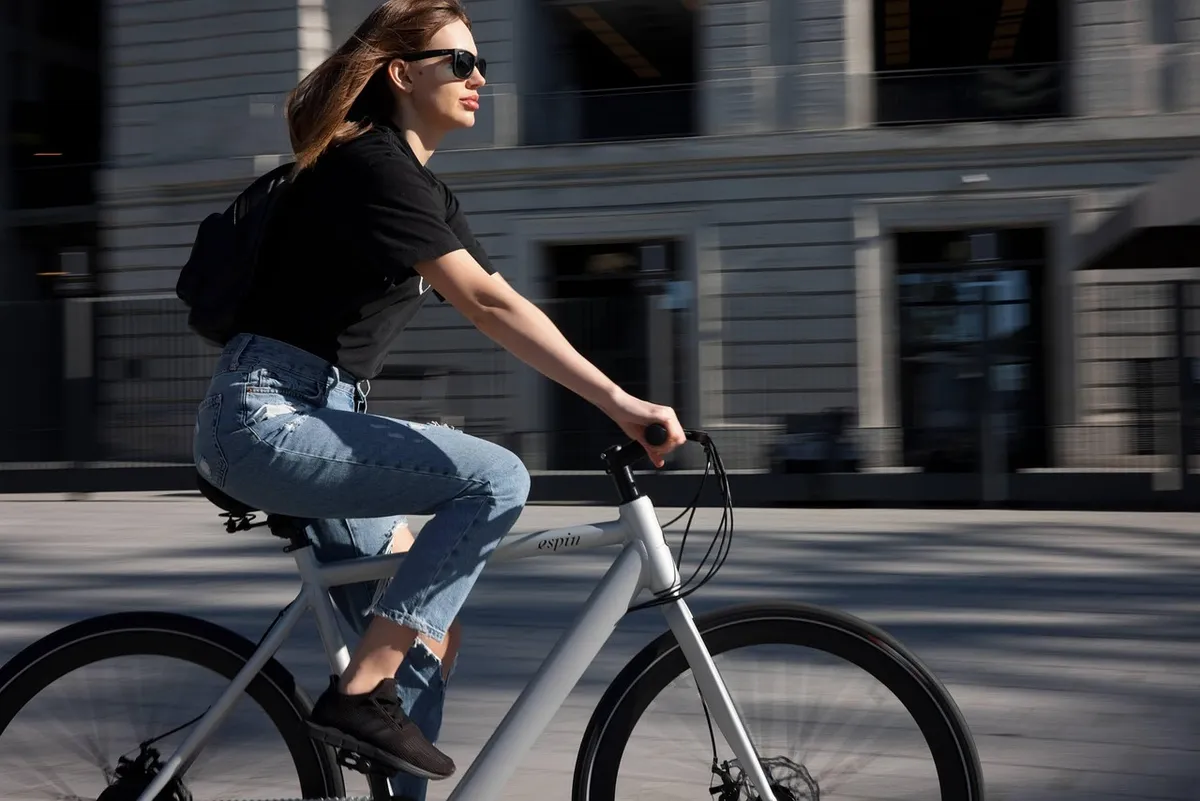
Modern electric transit offers lower operational costs, reduced air pollution, and a much quieter passenger environment compared to older vehicles.
How to use the new transit system?
A traveler checks a digital schedule on a smartphone before stepping toward the boarding area. To make the most of this new technology, follow these steps:
- Identify the designated electric bus routes and stops in your current area. 2. Check the real-time schedule to ensure timely arrivals at your destination. 3. Board the vehicle and enjoy the quiet, emission-free ride.
Always double-check the specific route maps at the terminal to confirm the vehicle reaches your intended stop. I found that checking the route beforehand made the transition much easier during my initial ride.
- Locate the nearest electric bus stop.
- Board the vehicle and use the designated payment method.
- Monitor the digital displays for upcoming stops.
What are the limitations of this transit?
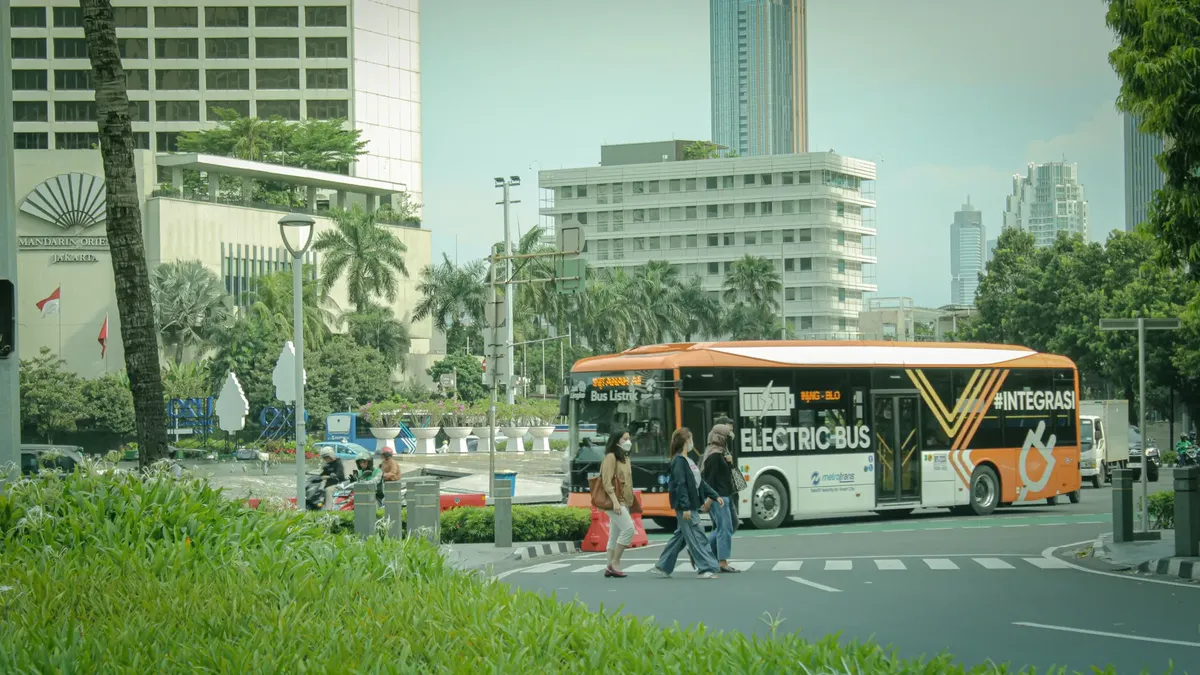
A bus waits at a charging station while the driver performs a routine inspection. While the technology is advanced, the current scope of the electric bus network may be limited to specific urban or high-traffic corridors.
The availability of these vehicles depends on the expansion of charging infrastructure across the island. Currently, the service may not reach the most remote or rugged mountainous regions where traditional vehicles are still necessary.
Limitations include the need for specialized charging infrastructure and potential range constraints during long-distance travel.
Related
- Temple etiquette tips for Visit Balinese Hindu Temple
- Visit Hindu Temple Rituals: How to Observe Sacred Customs
How does the shift toward sustainable transit compare to older modes of travel?
The shift toward sustainable transit offers a direct contrast to the noise and emissions of older modes of travel. The electric bus operates with a significantly reduced acoustic profile compared to vehicles burning fossil fuels.
This difference enhances the journey experience considerably for passengers.
The zero-emission capability of the modern vehicle directly contrasts with the exhaust produced by traditional combustion engines. This contrast translates into cleaner air quality in populated areas. The shift allows travelers to experience the journey without contributing to air pollution.
What are the conditions for maximizing the eco-friendly journey?
The conditions for maximizing the eco-friendly journey involve proper utilization of the available infrastructure. Travelers should utilize the designated routes and charging stations as part of the journey plan. This ensures the vehicle operates within its intended, low-impact parameters.
To ensure the best experience, travelers must adhere to the operational procedures of the new system. Following the digital schedules and using the modern payment/ticketing systems contributes to a smooth, sustainable passage. The shift relies on this cooperation for its full success.
What are the operational considerations for the shift toward sustainable transit?
The shift toward sustainable transit requires travelers to be mindful of the operational parameters of the electric bus. Travelers must consult the digital schedule to ensure the journey aligns with the vehicle's operational capacity.
This consideration is vital for a successful journey through Bali's varied landscapes.
Furthermore, the comparison between the new system and older travel methods highlights the importance of proper usage. The quiet operation afforded by the electric motor is maximized when the vehicle is used for its intended, emission-free purpose.
This contrasts sharply with the constant exhaust of previous modes of travel.
What cautions should passengers observe during the journey?
Passengers should always confirm the intended stop against the digital map before boarding the bus. This caution prevents confusion regarding the journey's endpoint. Additionally, understanding the charging infrastructure's limitations is important for planning longer excursions.
The comparison between the current network and the island's geography suggests that while the bus is excellent for corridors, it may not serve the most remote areas. Therefore, travelers should plan accordingly to match the journey's demands with the vehicle's capabilities.




Comments 0