Nusa Penida cliff resort safety guide for travelers
"The sheer scale of the cliffs in Nusa Penida demands a level of caution that no luxury amenity can replace."
Navigating the steep terrain of Nusa Penida requires understanding specific lodging safety rules to ensure a secure stay. This guide is for travelers seeking cliffside views who must prioritize physical safety over aesthetics.
Key takeaways include recognizing the geological risks of cliffside stays, understanding the local tourism landscape, and managing environmental exposure.
What are the Nusa Penida cliff resort safety standards?

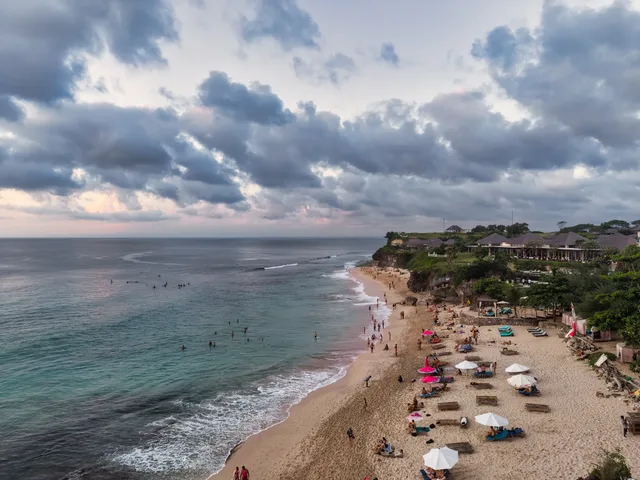
At sunset, you grip the cold metal railing while staring down the jagged cliffs of Nusa Penida.
The wind whips against the limestone edges as the sun dips below the horizon. Staying at a Nusa Penida cliff resort requires adherence to strict safety protocols to mitigate the risks inherent in high-altitude coastal terrain.
While many travelers seek these views, they must recognize that Nusa Penida cliff resort safety depends on the structural integrity of the property and the immediate environment.
Nusa Penida cliff resort safety is heavily influenced by the geological nature of the island. Travelers should confirm that the accommodation has reinforced barriers and proper lighting along steep paths.
While luxury often defines these stays, the primary concern remains the stability of the cliff edge.
- Inspect all balcony railings for structural integrity.
- Verify that emergency lighting is functional in all corridors.
- Confirm that clear signage for evacuation routes is visible.
How can I apply Nusa Penida lodging safety?
You grip the wooden railing tightly at dusk while the salt spray stings your skin near the edge of Nusa Penida.
I watched a staff member secure a heavy wooden railing against the salt spray of the Indian Ocean. To ensure a safe stay in these environments, follow these steps:
- Inspect the balcony or terrace railing for stability before sitting near the edge. 2. Use designated pathways only when walking between your room and the cliff viewpoint. 3. Check the local weather forecast to avoid high wind conditions that increase cliffside instability.
I personally observed that even when the weather seems calm, the wind can shift rapidly near the coast. This process ensures you maintain control over your immediate surroundings. This approach is essential for anyone visiting Indonesia's diverse islands.
In this sequence, the second step is the longest.
What makes Nusa Penida unique?
A hiker carefully navigates a narrow trail through dense vegetation to reach a lookout point. The archipelago's geography is a primary factor in its tourism appeal, as Indonesia consists of 17,508 islands. This massive scale makes individual island safety unique.
The landscape is defined by a large archipelago of 17,508 islands, 6,000 of which are inhabited. This environment creates diverse conditions for travelers. Understanding the scale of the Indonesian archipelago helps travelers prepare for the isolation of certain cliff locations.
| Feature | Scale / Detail |
|---|---|
| Total Islands | 17,508 |
| Inhabited Islands | 6,000 |
What is the Nusa Penida cliff hotel safety context?
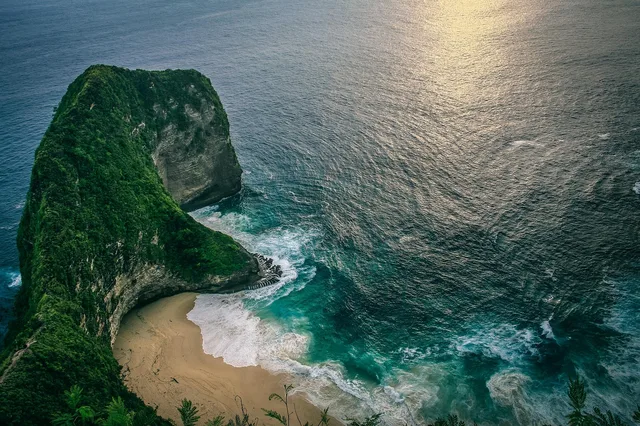
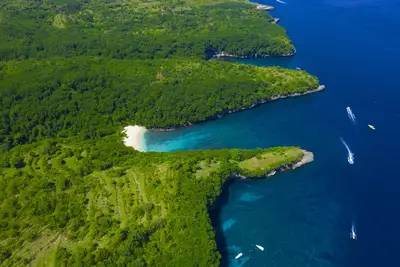
A drone flies slowly over the jagged coastline, capturing the immense scale of the cliffs. The context of Nusa Penida cliff hotel safety is tied to the broader Indonesian tourism economy. Understanding how the industry operates can help travelers recognize the level of oversight in the region.
Tourism in Indonesia is overseen by the Indonesian Ministry of Tourism. This oversight is vital as the country manages a massive influx of visitors. The scale of tourism in the region is significant.
Why is safety important for Nusa Penida resort safety rules?
A traveler checks their gear before descending a steep staircase toward the beach. Safety is paramount because Indonesia's tourism industry is a major economic driver.
According to the World Travel & Tourism Council, travel and tourism contributed 8.9% of Indonesia's Gross Domestic Product (GDP) and supported 8% of total employment in the country in 2012.
The high volume of visitors requires standardized safety measures. For instance, in 2019, Indonesia recorded 16.10 million foreign tourist arrivals, seeing a 1.9% increase from 2018. With so many visitors, the pressure on cliffside infrastructure is constant.
How does the environment impact Nusa Penida lodging safety?
A sudden rain shower turns the red soil of the cliffside into a slippery surface. The tropical climate plays a role in how travelers must approach their accommodation. Indonesia's tourism industry benefits from a tropical climate, which brings both beauty and environmental challenges.
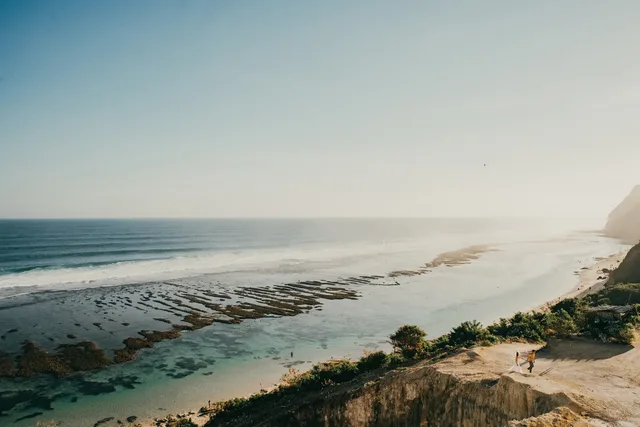
The natural landscape includes rainforests that stretch over about 57% of Indonesia's land. These ecosystems, along with the world's second-longest shoreline (54,716 km), create a beautiful but demanding environment for tourists.
This complexity means that Nusa Penida lodging safety is always subject to the local climate.
The same subject is also called cliff accommodation safety guide.
This part also covers Nusa Penida resort safety tips.
This part also covers safe cliff resort precautions.
Related
- Bali villa price guide: Understand local charm and budget
- Cheap Bali private pool villa: Guide to finding value
How does the sheer scale of the terrain affect safety?
The sheer scale of the terrain dictates that travelers must prioritize physical safety over aesthetics. This condition means that the geological risks inherent in high-altitude coastal terrain require constant awareness.
Because the landscape is defined by a large archipelago, the isolation of certain cliff locations becomes a factor for travelers to consider.
What are the risks of environmental exposure?
Environmental exposure is a risk when the tropical climate brings sudden rain showers. These showers can turn the red soil of the cliffside into a slippery surface, creating a condition where the terrain becomes unstable.
This environmental factor means that Nusa Penida lodging safety is always subject to the local climate.
- Monitor the weather to avoid high wind conditions that increase cliffside instability. 2. Observe the ground condition to detect slippery surfaces caused by rain. 3. Confirm the presence of reinforced barriers to mitigate geological risks.





Comments 0