Balinese temple spa journey: Deep dive into local culture
"The spiritual essence of Bali is often found where the incense meets the ancient stone of a temple."
A Balinese temple spa journey offers a unique way to connect with local traditions and the philosophical roots of the island.
This guide explores how understanding the history of religious institutions and local culture can enrich a wellness experience, focusing on the transition from academic study to spiritual practice.
Key takeaways include understanding the historical evolution of Hindu institutions, recognizing the cultural depth of the region, and planning a visit that respects local sanctity.
How can a Balinese temple spa journey enrich a visit?
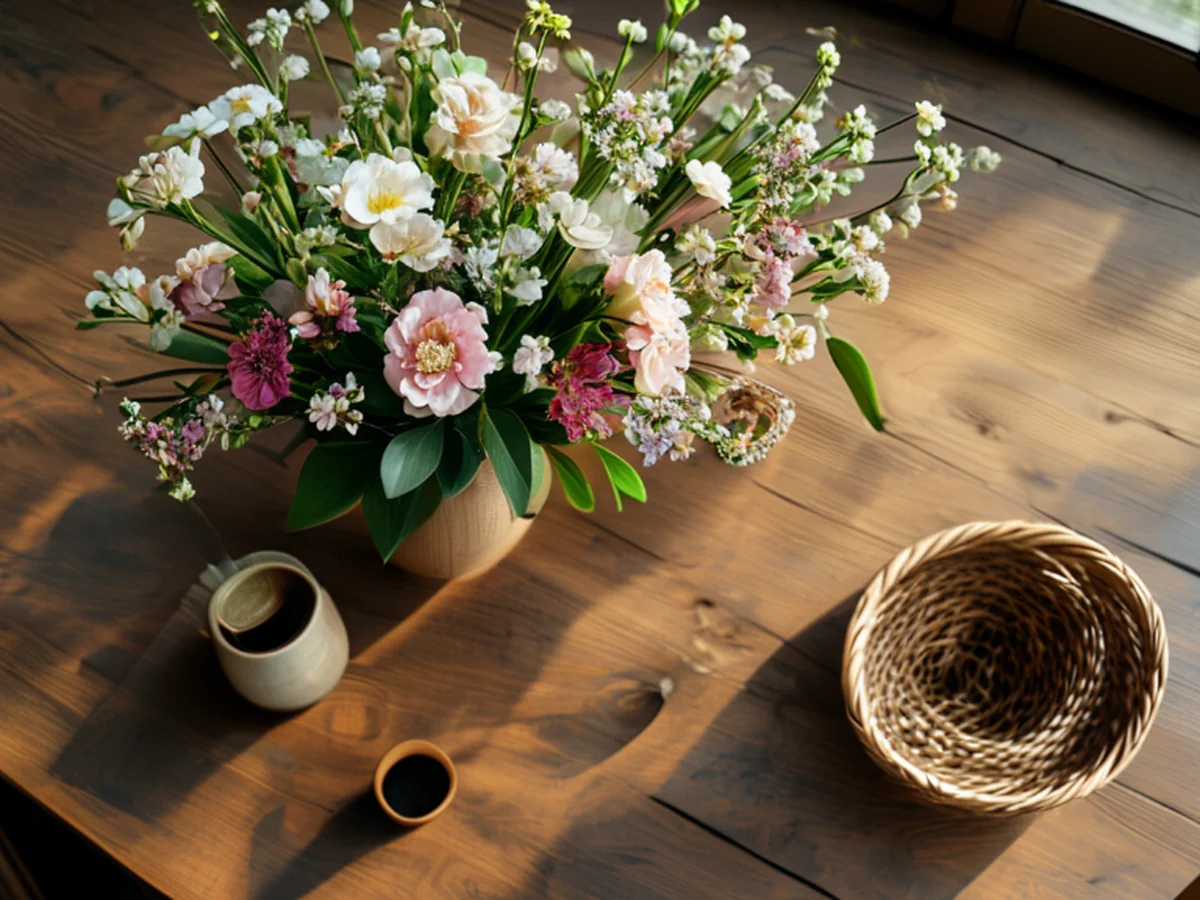
As the afternoon sun warms the courtyard, I close my eyes and breathe in the floral scent during my Balinese temple spa journey.
Walking through a quiet courtyard, the scent of frangipani fills the air as the sun hits the carved stone. A Balinese temple spa journey serves as a bridge between physical relaxation and spiritual reflection.
This immersion allows travelers to appreciate the deep-seated values that shape the local way of life.
Local tradition spa Bali focuses on the harmony between the individual and the divine, a concept deeply rooted in the island's history. By visiting sacred sites, travelers gain a sense of the continuity of faith that has shaped these landscapes for centuries.
This perspective turns a simple massage into a meaningful cultural encounter.
However, the restorative benefits may be limited if the spa visit is treated merely as a superficial luxury rather than a mindful ritual.
What is the history of Hindu institutions in Bali?
A scholar sits in a quiet library, flipping through old records of religious education. The evolution of Hindu higher study in Indonesia shows a clear trajectory of institutional growth. This history provides a backdrop for understanding the cultural weight of the rituals practiced today.

According to Wikipedia, in February 2020, President Joko Widodo issued a presidential regulation elevating the status of Hindu Dharma State Institute in Denpasar, Bali into the country's first Hindu state university, named I Gusti Bagus Sugriwa State Hindu University.
This transition reflects the formalization of religious study within the state.
This institution of Hindu higher study started out as a state academy for teachers of Hindu religion in 1993, before being converted into the Hindu Religion State College in 1999, and then into the Hindu Dharma State Institute in 2004.
Understanding these shifts helps visitors appreciate the organized nature of the local faith.
However, historical interpretations may vary depending on the specific regional lineage being discussed.
How does local culture influence the massage experience?
A practitioner prepares oils while observing the quiet movements of a nearby shrine. The nuances of a Balinese culture massage are often tied to the spiritual atmosphere of the environment. The connection between the physical body and the spirit is a central theme in local wellness.
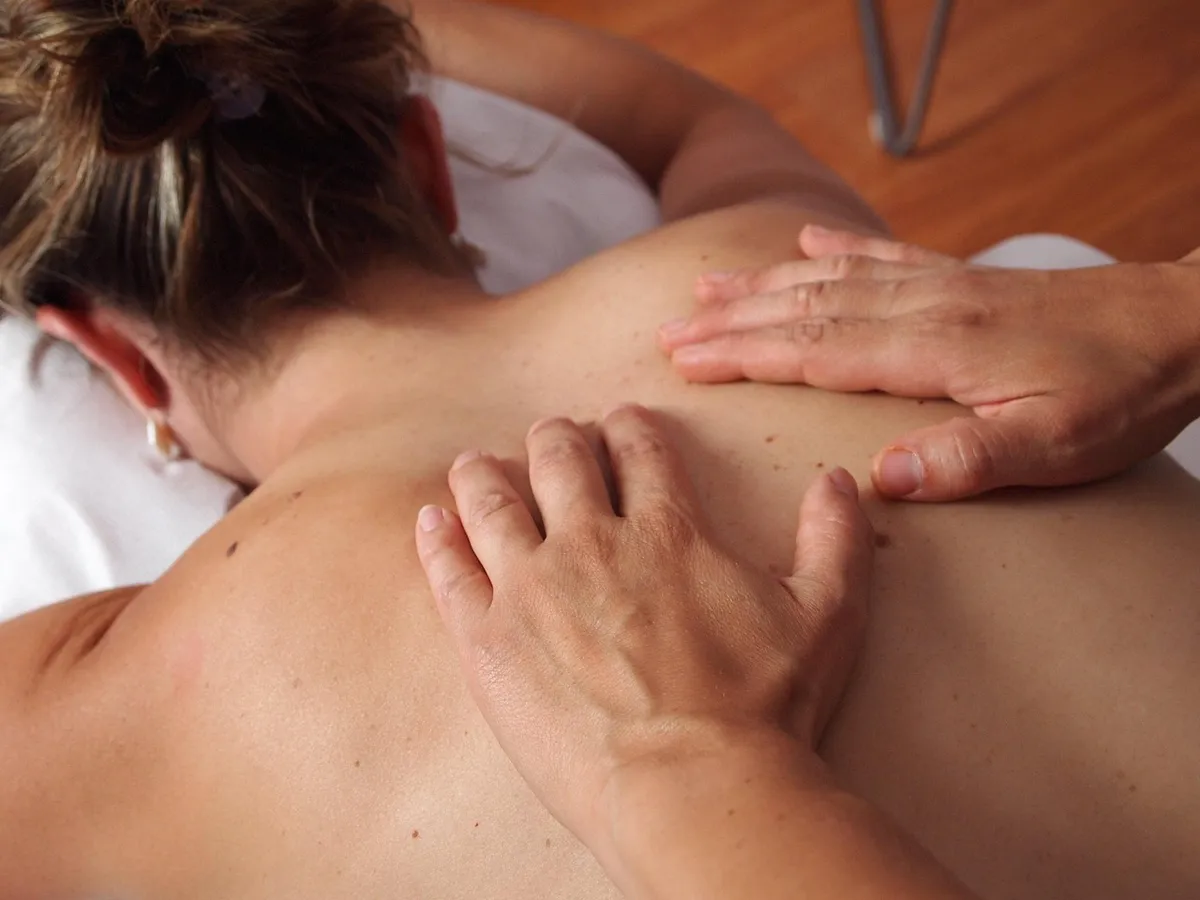
A deep dive Balese ritual often incorporates elements of mindfulness that mirror the quietude of a temple visit. Practitioners often draw from ancestral wisdom to provide a sense of balance. This approach ensures that the relaxation is as much mental as it is physical.
An authentic local wellness experience requires an understanding of the sacredness of the spaces where these rituals occur. Respectful engagement with the local community is essential for a meaningful journey. This ensures that the visitor remains a guest of the culture rather than just a consumer.
However, the intensity of traditional techniques may not be suitable for everyone depending on their physical sensitivity.
What should travelers know about historical site preservation?
A traveler looks at an ancient wall, noting the intricate carvings that have survived through time. The history of religious sites is often complex and marked by significant shifts in governance and demographics. Being aware of this history adds depth to any visit to a temple.
Historian Sita Ram Goel's book "What happened to Hindu Temples" lists over 2000 sites where temples have been destroyed and mosques have been built over them. This historical context highlights the resilience of religious architecture and the importance of preservation.
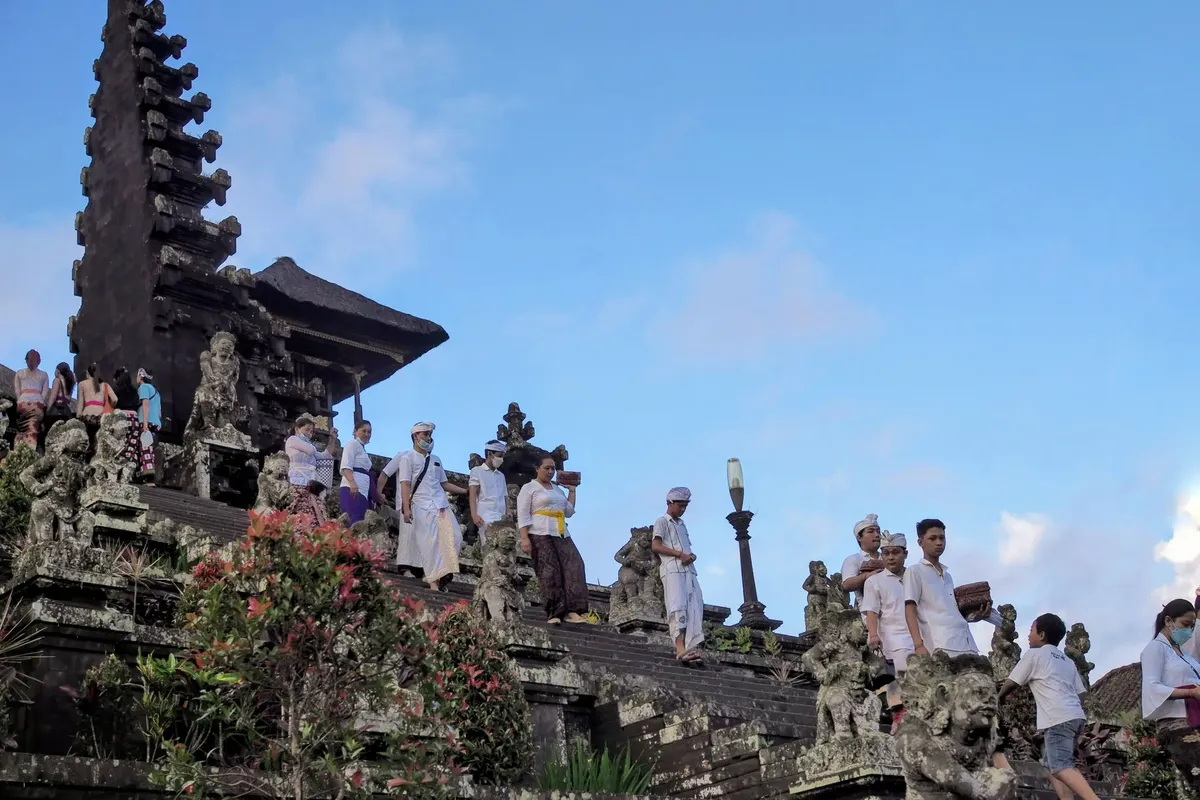
A spiritual journey awaits those who take the time to learn about the layers of history beneath their feet. Recognizing the struggles and triumphs of various faiths helps visitors approach sacred sites with appropriate reverence. This knowledge enriches the connection to the local community.
However, individual efforts to preserve sites may have limited impact if they do not align with local conservation regulations.
How to plan a respectful visit to a temple-adjacent spa
A traveler holds a map, looking for a location that balances accessibility with cultural integrity. Planning a visit requires balancing the desire for comfort with the need to respect local customs. Following a structured approach can ensure a seamless experience.
- Research the specific traditions of the area to understand the local etiquette and dress codes. 2. Select a venue that honors the surrounding environment and maintains a respectful relationship with the local community. m3. Coordinate the timing of your visit to ensure it does not conflict with active religious ceremonies or prayer times.

I found that checking the local schedule before booking helped maintain the sanctity of the experience. A final check of the venue's relationship with the local village can prevent cultural misunderstandings.
| Aspect | Historical Context | Modern Application |
|---|---|---|
| Institution | State Academy (1993) | State Hindu University (2020) |
| Focus | Teacher Training | Higher Religious Study |
- Research the specific dress code and etiquette required for the temple area.
- Coordinate your spa appointment to ensure it does not conflict with local prayer times.
- Prepare to adjust your pace to accommodate the quiet atmosphere of the sacred surroundings.
The same subject is also called Hindu temple massage Bali.
The same subject is also called Temple visit spa experience.
This part also covers Deep dive Balinese ritual.
Deep dive Balinese ritual
Related
- Bali spa selection guide: How to choose Bali spa
- Bali ecosystem journey: Nusa Penida Lemon Tree Forest tips
Why is the spiritual essence so important to the experience?
The spiritual essence of Bali is found in the continuity between the physical relaxation and the deeper cultural roots of the island. This continuity is what transforms a simple wellness visit into a profound cultural immersion.
The journey mirrors the island's own long history of maintaining faith through changing times.
Local culture influences the massage because it seeks harmony between the body and the divine, a concept central to Balinese life. The practitioners integrate ancestral wisdom into their techniques, ensuring the experience addresses both the physical body and the spirit.
Recognizing the sacredness of the location is a condition for a meaningful journey. This awareness moves the traveler beyond mere consumption into a role of respectful witness to living tradition.
However, the depth of the spiritual connection is subjective and may not be felt by every visitor.





Comments 0