Bali ecosystem journey: Nusa Penida Lemon Tree Forest tips
"The preservation of natural landscapes is the heartbeat of the island's future."
This guide covers the essential aspects of natural exploration, from understanding the local climate to recognizing the importance of conservation.
How does the local climate affect a Bali nature exploration?
A traveler steps into the humid air, feeling the warmth of the tropical sun against their skin while walking through dense foliage. Because the island is located approximately 8 degrees south of the equator, it maintains a fairly even climate throughout the year.
At low elevations, daytime temperatures typically range between 20 and 33 °C (68 and 91 °F). However, these temperatures decrease significantly as one moves to higher ground. Understanding these shifts is vital for anyone planning a trek through the various altitudes of the island.
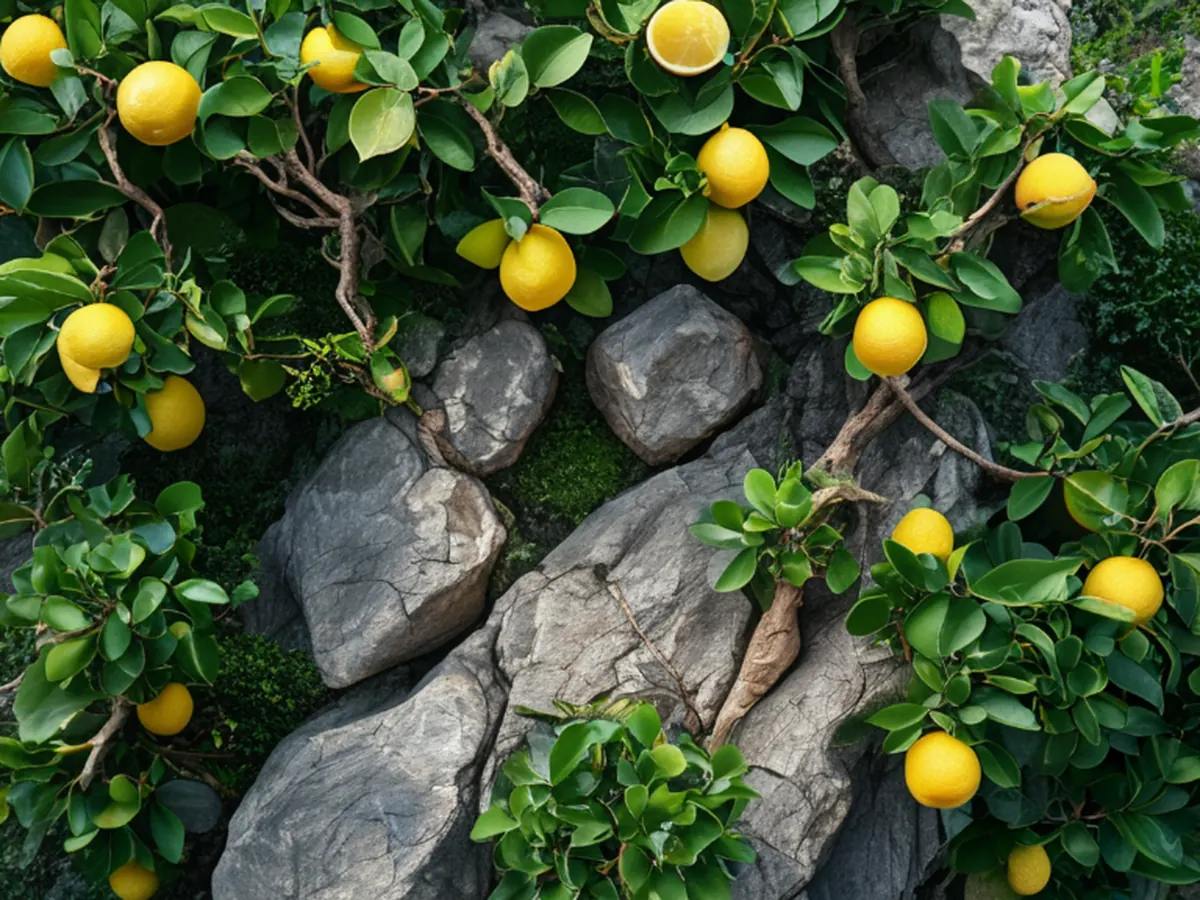
What makes this forest scenery so unique? Nusa Penida Lemon Tree Forest Walking through the canopy, the dappled sunlight filters through thick leaves to create a shifting mosaic of light and shadow. The unique landscape is shaped by the intersection of volcanic soil and tropical humidity.
This specific environment creates a sense of isolation and beauty that defines the lemon tree scenery.
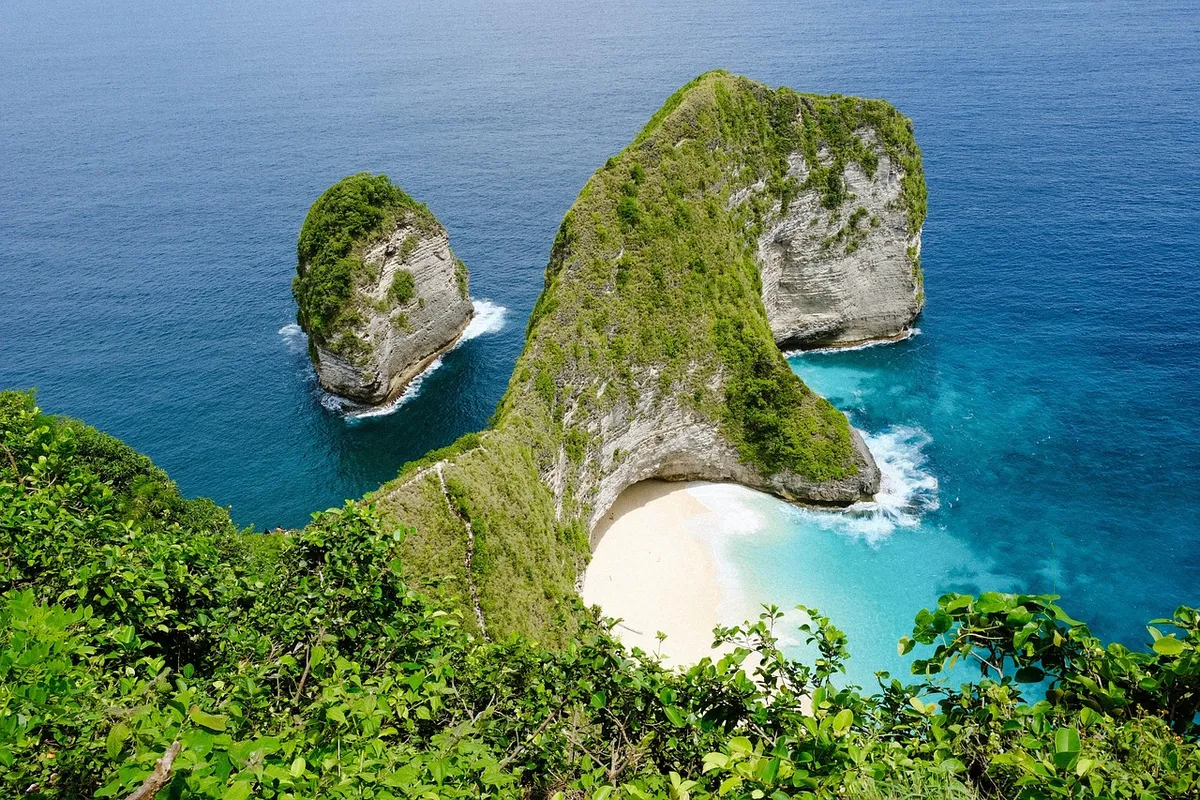
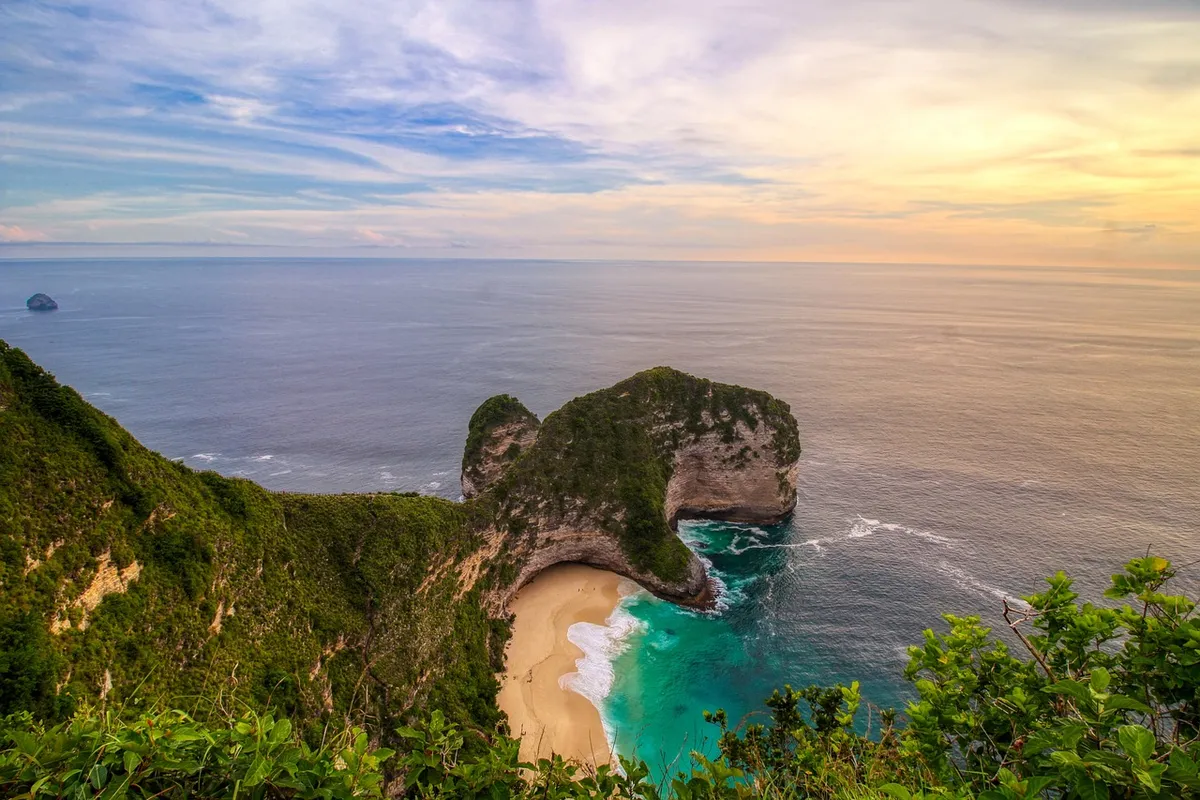
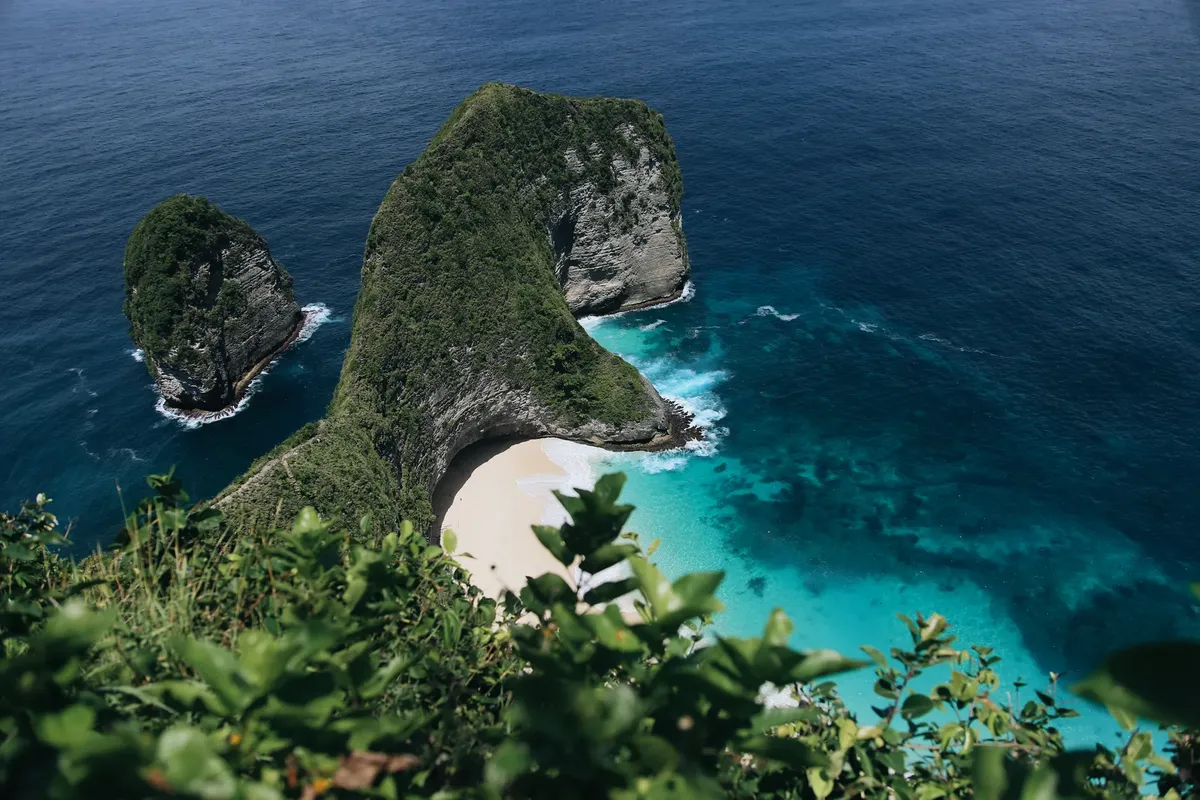
The regional biodiversity is supported by the unique geological makeup of the islands. For those seeking a deep connection with the earth, the Nusa Penida views provide a stark contrast to the lush greenery of the inland forests.
This interplay between coastal cliffs and inland vegetation is a hallmark of the local geography.
How can one navigate a Bali ecosystem journey?
A hiker carefully steps over a protruding tree root, checking the compass to ensure they remain on the intended path. Navigating these environments requires an understanding of both the terrain and the seasonal weather patterns.
A successful Bali ecosystem journey involves preparing for sudden shifts in temperature and humidity.
To prepare for such a journey, consider these steps: 1. Monitor elevation changes to manage temperature fluctuations effectively. 2. Pack moisture-wicking clothing to handle the consistent tropical heat. 3. Carry adequate water to stay hydrated in the humid environment.
Always verify the current weather conditions before heading into remote areas.
How does conservation protect Bali's natural sights? A local community member gathers near a shoreline, discussing the protection of the waters that sustain their way of life. Maintaining the health of the land and sea is critical for the longevity of the region.
Protecting these areas ensures that the Bali natural sights remain intact for future generations.
Marine conservation is considered extremely important to sustaining future levels of tourism on the island. In February 2009, a local NGO from Nusa Lembongan, facilitated by The Nature Conservancy Coral Triangle Center, opened a community centre on Nusa Lembongan to support such efforts.
This focus on local involvement helps protect the delicate balance of the islands.
How does the economy relate to the natural environment?
A business owner looks out over a bustling street, where the movement of people drives the local economy. The relationship between the environment and the economy is deeply intertwined in this part of the world.
According to The Tourism and Creative Economy Ministry, 306 cruise liners were scheduled to visit Indonesia in 2013, representing a 43 per cent increase from the previous year.
Because tourism-related business makes up 80% of the Bali economy, the health of the natural landscape is directly tied to economic stability.
| Economic Factor | Impact Description |
|---|---|
| Tourism Reliance | 80% of the local economy |
| Environmental Quality | High score of 99.65 in 2010 |
The high environmental quality index, which gave Bali a score of 99.65 in a 2010 Environment Ministry report, reflects the importance of preserving these assets. I observed how the local economy relies heavily on the beauty that attracts visitors to these specific landscapes.
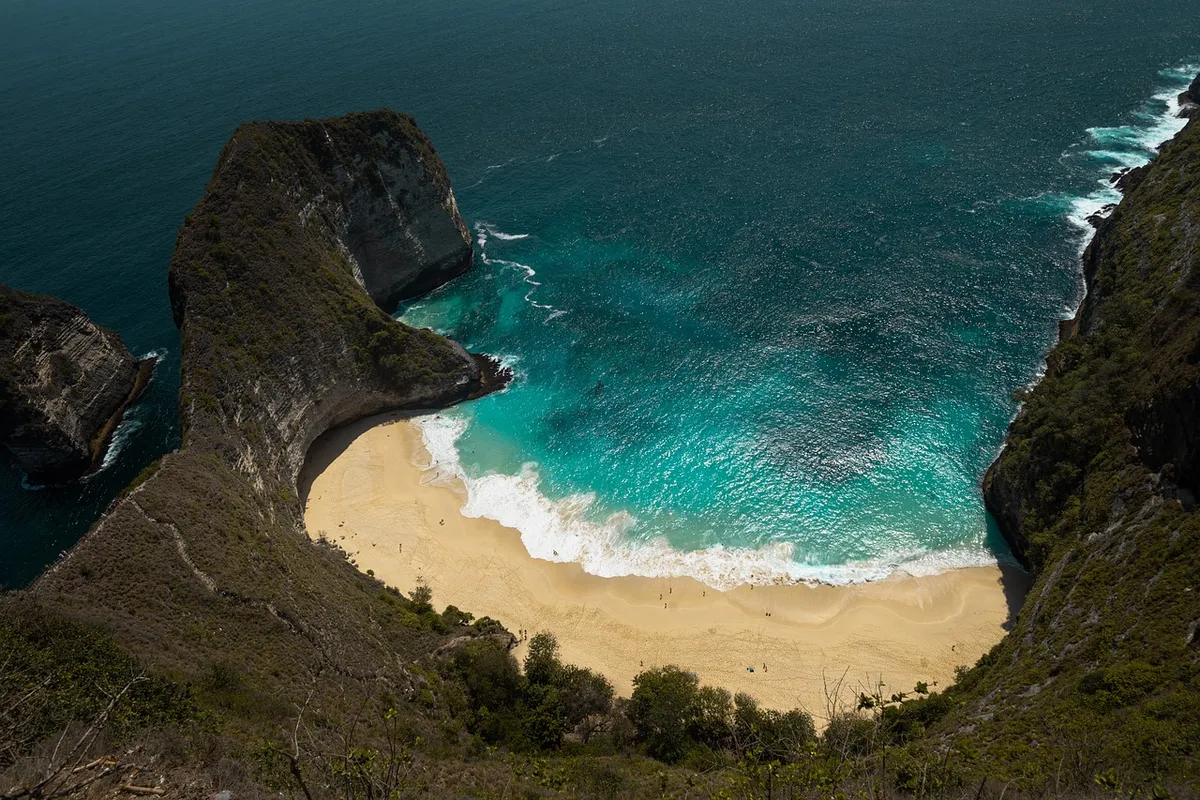
- Exploring the Nusa Penida Lemon Tree Forest offers a unique window into the diverse ecosystems that define the region.
- Key takeaways include the impact of environmental quality on tourism, the necessity of marine and land preservation, and the geographical context of the islands.
- This consistent weather pattern makes a Bali nature exploration predictable, though hikers should note that temperatures vary by elevation.
The subject here is Nusa Penida Lemon Tree Forest.
This part also covers Discover Bali nature.
This part also covers Unique Bali landscapes.
Related
- Nusa Penida Hindu Temple Cake: Guide to Local Charm
- Hyundai electric bus Bali: Tips for eco-friendly transit
What are the specific challenges to natural preservation?
The delicate balance of the islands faces pressures stemming from human activity and the inherent forces of the tropical setting. Maintaining the natural preservation requires constant vigilance against degradation.
The high reliance of the local economy on tourism means that environmental strain directly impacts livelihoods.
- Managing visitor impact on fragile ecosystems is a primary concern. 2. Addressing potential pollution entering the marine environment is also crucial. 3. Adapting to predictable but variable climatic conditions tests the resilience of the ecosystem.
This combination of factors underscores why the preservation of natural landscapes is the heartbeat of the island's future. The successful navigation of this balance between human activity and ecological limits defines the sustainability of the region.
What are the immediate effects of poor environmental management?
The degradation of the natural environment directly threatens the economic viability dependent on the islands' aesthetic appeal. When the quality of the environment declines, the attraction that draws tourists diminishes, thereby jeopardizing the local economy.
This direct link underscores why the preservation of natural landscapes is so vital for long-term stability.
- Visible signs of pollution entering the marine environment signal a broader ecological decline. 2. Overuse of sensitive terrestrial areas due to high visitor numbers puts stress on fragile ecosystems. 3. Failure to manage waste impacts the overall environmental quality score used by international bodies.
These pressures illustrate the immediate consequences of neglecting the natural assets that underpin the regional economy. The successful preservation of natural landscapes requires proactive management against these visible signs of strain.





Comments 0