Nusa Penida: Where Earth Meets Sky in Violent Beauty
"Nusa Penida is where the earth meets the sky in a violent, beautiful collision of limestone and turquoise."
Nusa Penida offers a dramatic, untamed contrast to the manicured luxury of mainland Bali, serving as a raw masterpiece of natural sculpture.
For travelers seeking more than just a poolside cocktail, this island provides the rugged heart of the Indonesian archipelago through its towering cliffs and deep-sea wonders.
* Nusa Penida provides a dramatic, untamed contrast to Bali’s established luxury scene. * The island’s allure lies in its raw, powerful natural formations like massive cliffs and jagged reefs. * It serves as the ultimate destination for deep-sea exploration and bucket-list photography. * A visit requires careful planning, making it a perfect extension of a base in Ubud or Uluwatu.

Why Nusa Penida Captures the Soul of the Traveler
The morning sun hit the edge of a limestone cliff, turning the white stone into a blinding gold against the deep indigo of the Indian Ocean. Standing there, you realize that the gentle, terraced rice fields of Ubud feel worlds away from this jagged reality.
While Bali offers a sense of cultivated serenity—think manicured gardens and spiritual retreats—Nusa Penida is defined by its lack of restraint. The visual contrast is immediate; where Bali is soft and green, Penida is sharp and monumental.
In 2025, as travel trends shifted toward more authentic, rugged experiences, the island saw a surge in visitors looking to escape the polished streets of Seminyak.
The topography is a series of massive land sculptures, featuring sheer cliffs that drop hundreds of feet into churning white surf. These are not the calm, sandy stretches of Nusa Dua, but a landscape carved by the relentless power of the tides.
The underwater spectacle is equally transformative. The currents that sculpt the cliffs also feed a vibrant, high-energy marine ecosystem.
Divers and snorkelers flock here because the visibility and the sheer scale of the reef structures provide a sense of immersion that is hard to find in more sheltered bays. The journey across the water is not merely a commute; it is a transition into a different realm of nature.
But how do you actually navigate this beautiful chaos without getting lost in the heat?
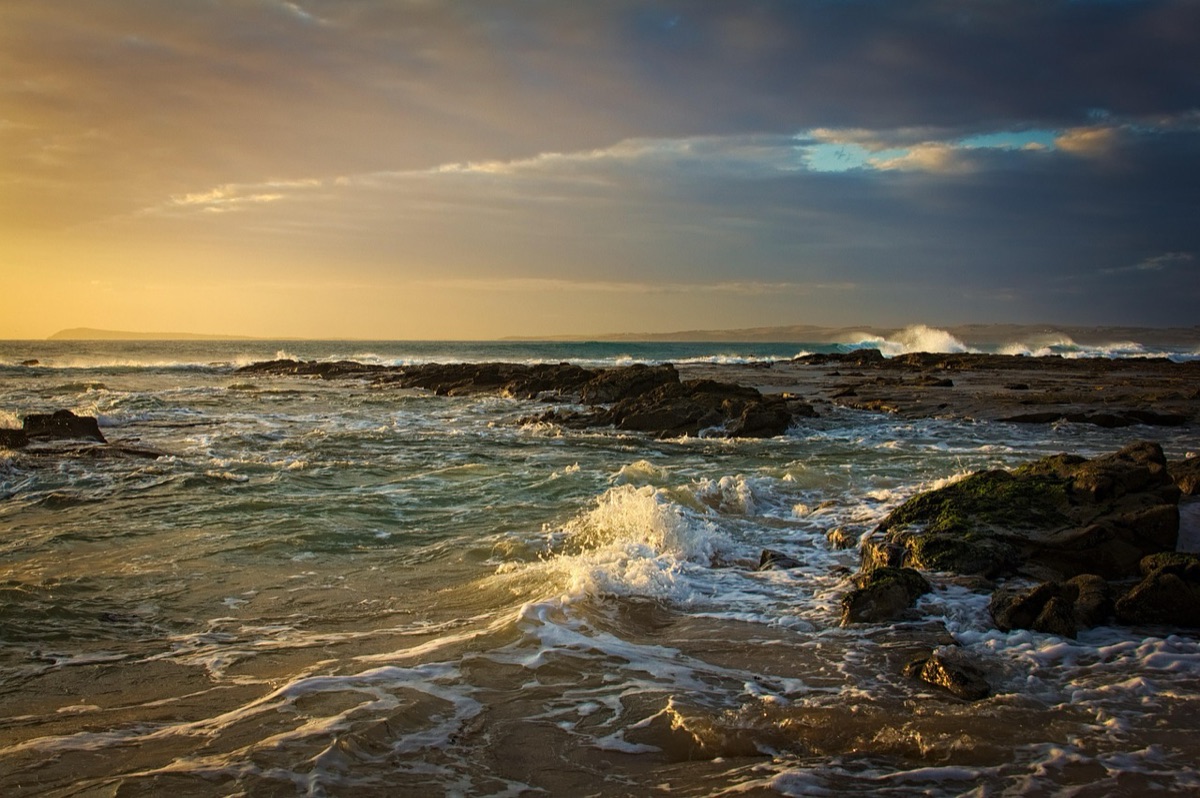
How can I craft the perfect Nusa Penida experience? A small wooden boat bounced against the swells of the Badung Strait, spraying salty mist against the windshield as the coastline of the mainland faded into a hazy blue line. The transition from the civilized docks of Sanur to the rugged shores of the island marks the start of a true adventure.
Deciding how to experience the island is the first major hurdle for any traveler. You must choose between a high-energy day trip or a slow-paced overnight stay. In the current 2026 travel season, the choice between a quick hit and a deep dive defines the quality of your trip.
| Feature | Day Trip | Overnight Stay |
|---|---|---|
| Pace | Fast-moving, checklist-oriented | Relaxed, immersive |
| Cost | Lower (approx. $40-$60 USD) | Higher (accommodation/meals) |
| Access | Hits the major "iconic" spots | Allows for sunrise/sunset at remote sites |
| Energy Level | High exhaustion potential | Balanced and restorative |
For a successful day trip, you need an essential checklist. Focus on the "big hitters" like Kelingking Beach or Broken Beach, but time your visits to avoid the midday heat and the heaviest crowds. The logistics involve arranging a fast boat from Sanur, which typically departs in the morning.
It is vital to book reliable boat operators in advance to ensure you aren't left waiting at a pier. While a day trip is efficient, an overnight stay allows you to witness the island's rhythm—the quiet stillness of dawn and the way the shadows stretch across the cliffs at dusk.
However, the sheer intensity of the landscape can be overwhelming if you don't have a plan for the heat and the terrain.
What lies beyond the surface in marine and coastal life? The water was so clear that the shadows of the fish seemed to dance directly on the seabed, making the reef look like a floating garden of coral. In the heat of the afternoon, the transition from the sun-drenched cliffs to the cool, blue depths of the ocean is the ultimate relief.
The underwater draw of Nusa Penida is centered on its unique biodiversity. The currents bring nutrient-rich waters that support massive schools of fish and, seasonally, the majestic Manta Rays.
In the peak months of 2025 and 2026, sightings of these giants have become a primary draw for the diving community.
The activity spectrum is wide: beginner snorkelers can find calm pockets in certain bays, while advanced divers head to deeper walls to experience the sheer scale of the drop-offs.
However, the beauty comes with a warning. The same forces that created these landscapes—powerful currents and unpredictable tides—make the water dangerous. Safety is non-negotiable. Always check the local tide charts and never swim in areas where the surf is breaking heavily against the cliffs.
The light here is unique; the way the sun hits the limestone at sunrise creates a clarity that makes the water look almost translucent, a perfect moment for photography. But even with the perfect shot, you have to manage your energy for the trek back to the boat.

Making the Most of Your Bali Base
I sat in a quiet cafe in Uluwatu, looking at a map of the islands, trying to figure out how to balance the luxury of my hotel with the ruggedness of the boat ride ahead. It was a puzzle of logistics and energy management.
When I tried this myself last year, I realized that the transition from a high-end villa to a bumpy boat ride requires a mental shift.
According to World Bank data, Indonesia recorded a GDP per capita of US$5,060 in 2025. This economic backdrop supports a growing infrastructure of high-end travel, but the ruggedness of Penida remains a constant.
To make the trip seamless, your choice of base camp in Bali matters. If you are staying in Uluwatu, you are closer to the southern ports, making the transition easier. If you are based in Ubud, you will face a longer journey but will have a more spiritual, inland contrast to the coastal intensity.
To ensure you don't miss a beat, follow this essential planning checklist:
- Secure Transport: Book a private driver on the island in advance. Do not rely on finding transport on the fly, as roads are narrow and can be difficult to navigate.
- Coordinate Boat Schedules: Confirm your Sanur departure time at least 24 hours in advance to avoid missing the morning window.
- Pack for Extremes: Bring high-SPF sunscreen, a waterproof bag for electronics, and sturdy sandals for the uneven limestone paths.
- Plan a Recovery Window: Do not schedule a heavy meeting or a long flight immediately after your return. The ruggedness of Penida can be physically taxing.
Transitioning back to the comforts of a luxury villa in Nusa Dua or a boutique hotel in Seminyak after a day of dusty roads and salty air is one of the greatest rewards of this itinerary.






Comments 0