Bali Wellness: Harmony Found in Rituals and Local Flavors
"True relaxation isn't just about a quiet room; it is about finding harmony between your senses and a culture that breathes life into every moment."
If you are looking for a way to truly reset, Bali offers a specific kind of magic that combines physical healing with profound cultural depth.
By balancing high-end spa rituals with the discovery of rare local flavors and authentic community interactions, you can achieve a level of peace that stays with you long after you fly home.
* Balinese wellness experiences offer a profound blend of physical pampering and cultural immersion. * The island boasts unique culinary treasures, including rare local cakes, offering a taste of authentic Balinese life. * Finding the perfect balance between luxurious retreat and genuine local flavor defines the ideal Balinese vacation. * Understanding the regional nuances of Bali enhances the travel experience significantly.

Why Choose Bali for a Truly Restorative Escape?
The morning sun creeps over a stone wall in Ubud, catching the smoke from a small incense stick placed in a handmade palm-leaf basket. You sit on a porch, watching the light hit the emerald green of a distant rice terrace, feeling the humidity lift just slightly as the breeze picks up.
According to World Bank data, Indonesia recorded international tourist arrivals of 4,053,000 in 2020.
Bali is a place where the spiritual and the physical are inextricably linked. Because the island is the only Hindu-majority province in Indonesia, with 86.40% of the population adhering to Balinese Hinduism, the very atmosphere feels intentional and sacred.
This spiritual foundation turns a simple vacation into a restorative journey.
The geography also plays a role in this sense of ease. Located approximately 3.2 km east of Java and sitting about 8 degrees south of the equator, the island enjoys a fairly even climate year-round.
While daytime temperatures at low elevations can vary between 20 and 33 °C (68 and 91 °F), the tropical warmth provides a consistent backdrop for wellness.
Because tourism-related business makes up 80% of the Bali economy, the infrastructure for relaxation is world-class. However, the true value lies in how that infrastructure honors local traditions. You aren't just visiting a destination; you are entering a living ritual.
But what happens when you move beyond the surface of a standard spa day?
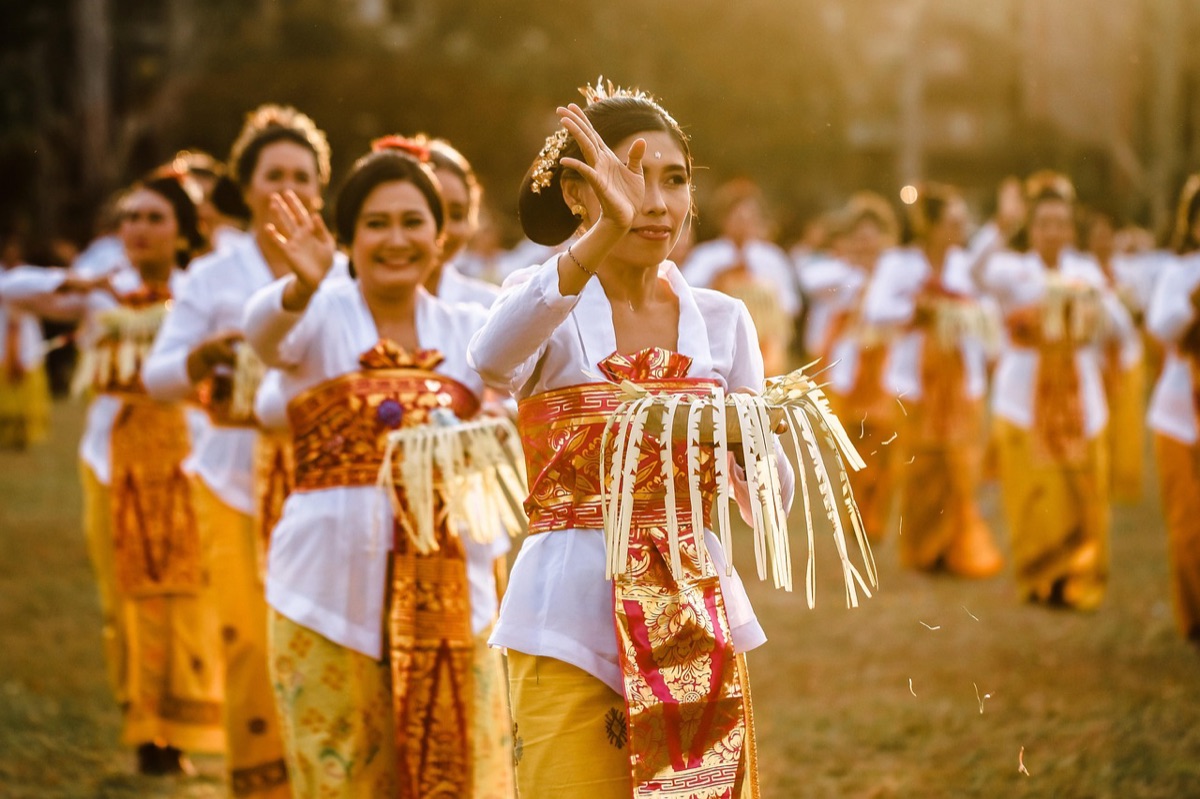
What lies beyond the massage in Balinese wellness? A heavy rain begins to fall against a tiled roof, the sound drumming a steady rhythm that makes the dim lighting of the spa even more inviting. You lie on a massage table, the scent of frangipani and sandalwood filling the air as a therapist prepares traditional oils.
In Bali, wellness goes far beyond a standard deep-tissue massage. While you can find luxury spas in every corner, the most profound experiences involve local elements like *boreh*—a traditional herbal scrub made from spices like ginger, turmeric, and cloves.
These treatments are designed to warm the body and improve circulation, reflecting the island's natural apothecary.
The wellness journey often intersects with daily life. You might see a *Canang Sari*—a small, colorful palm-leaf offering—placed near the entrance of a spa, a reminder that even in moments of luxury, the connection to the divine remains central.
This blend of the sensory and the spiritual is what sets Balinese wellness apart from a typical city spa.
The contrast is often striking. One moment you are in a state of deep, silent tranquility, and the next, you are stepping out into the vibrant, energetic pulse of a local market. This ebb and flow between stillness and life is essential for a truly balanced mental reset.
But how do you find that balance through taste?
What are the rare delights of authentic Balinese cuisine? The steam rises from a small bamboo steamer in a quiet corner of a local *warung*, carrying the sweet, earthy scent of coconut and pandan. You pick up a small, delicate piece of cake, its texture soft and unfamiliar, a perfect companion to your morning tea.
While many travelers flock to high-end fusion restaurants, the true soul of Balinese flavor is often found in its "rare cakes" and traditional snacks.
These treats, often made from rice flour, coconut, and palm sugar, are much more than just desserts; they are part of the social fabric of the island.
Finding these specific, handcrafted sweets requires a bit of wandering. Unlike mass-produced snacks, authentic Balinese cakes are often seasonal or tied to specific ceremonies. They offer a glimpse into the island's agricultural history, utilizing ingredients that have been staples for centuries.
| Feature | High-End Dining | Authentic Warung/Local Market |
|---|---|---|
| Atmosphere | Polished, quiet, air-conditioned | Vibrant, social, open-air |
| Flavor Profile | International fusion, curated | Bold, traditional, ingredient-driven |
| Price Point | Premium | Very affordable |
| Cultural Connection | Modern luxury | Deeply rooted in local daily life |
While luxury dining is wonderful, balancing your trip with visits to local *warungs*—small, family-run eateries—allows you to experience the "real" Bali. It is in these humble settings that you often find the most authentic flavors and the warmest hospitality.
However, choosing where to find these flavors can be overwhelming.
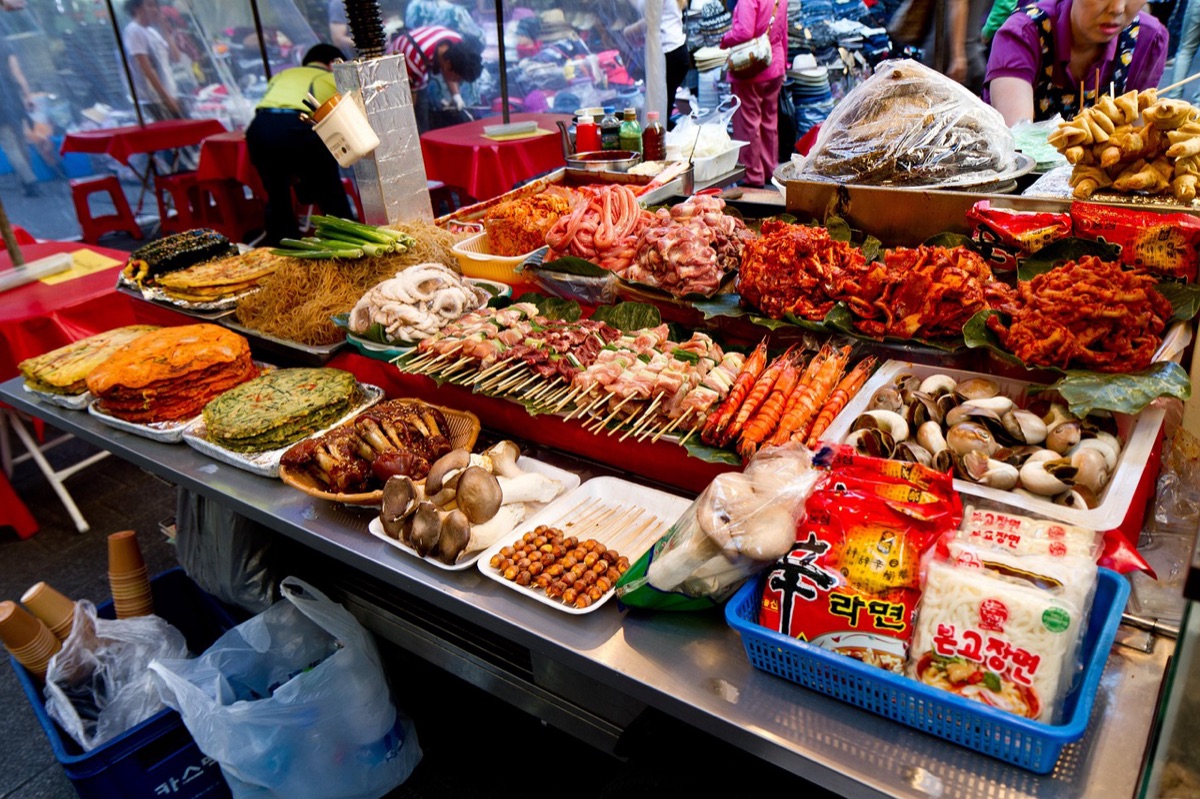
Finding Your Perfect Slice of Paradise: Navigating Bali's Regions
You stand at a crossroads in a busy intersection, looking at a map while the sound of scooters hums in the background. To your left, the lush, green mountains of Ubud beckon; to your right, the salty breeze of the coast calls.
Choosing where to stay is the most important decision you will make. Because Bali is so diverse, your location dictates your entire experience.
A traveler looking for spiritual depth and jungle serenity will find their home in Ubud, whereas someone seeking a social, high-energy atmosphere will gravitate toward Seminyak or Canggu.
If you prefer dramatic cliffs and world-class surfing, the southern peninsula of Uluwatu offers a completely different vibe. Meanwhile, those looking for a more laid-back, island-hopping lifestyle might find themselves drawn to the shores of Nusa Dua or even the nearby islands like the Gili islands.
To make the right choice, follow this regional guide:
- Ubud: Best for culture, yoga, and jungle wellness.
- Seminyak/Canggu: Best for trendy cafes, shopping, and nightlife.
- Uluwatu: Best for dramatic views, surfing, and luxury cliffside resorts.
- Nusa Dua: Best for family-friendly luxury and calm beaches.
- East Bali (Amed/Tulamben): Best for diving and a slower, traditional pace.
When I first planned a trip to the island in 2025, I struggled to decide between the mountains and the sea. Ultimately, I realized that the best way to experience Bali is to split your time between two distinct environments. But how do you actually manage the logistics of such a trip?
Maximizing Your Bali Journey: Tips for the Mindful Traveler
A local guide gestures toward a magnificent stone gate, explaining the significance of the carvings with a gentle smile. You realize that following the local customs is not just about politeness; it is about showing respect to the community that welcomes you.
To make the most of your trip, you must navigate the practicalities with mindfulness. Respecting local customs is non-negotiable.
This includes dressing modestly when visiting temples—covering shoulders and knees—and understanding the significance of days like *Nyepi*, the Day of Silence, when the entire island shuts down to honor stillness.
Booking in advance is also vital for popular villas and highly-rated wellness retreats. However, do not over-schedule yourself. The beauty of Bali is often found in the "slow life"—the moments when you decide to skip a planned tour to sit in a local cafe or watch a sunset instead.
* Respect Traditions: Always carry a sarong for temple visits and respect local ceremonies. * Plan Ahead: Book your "must-do" accommodations and high-end spa treatments well in advance. * Stay Flexible: Leave room in your itinerary for spontaneous discoveries. * Safety First: If you plan to ride a scooter, ensure you have a valid international license and proper insurance.






Comments 0