Bali cake class local view: Why try local traditions
A local kitchen in Ubud smells of coconut milk and pandan leaves, where the steam from a fresh batch of traditional sweets rises into the humid air.
The Bali cake class local view offers a deep dive into the culinary heritage of the island through hands-on learning. This guide explores why these workshops matter and how to engage with local flavors authentically.
Key takeaways include understanding traditional ingredients, learning ceremonial significance, and mastering specific baking techniques.
Why try Bali cake making?
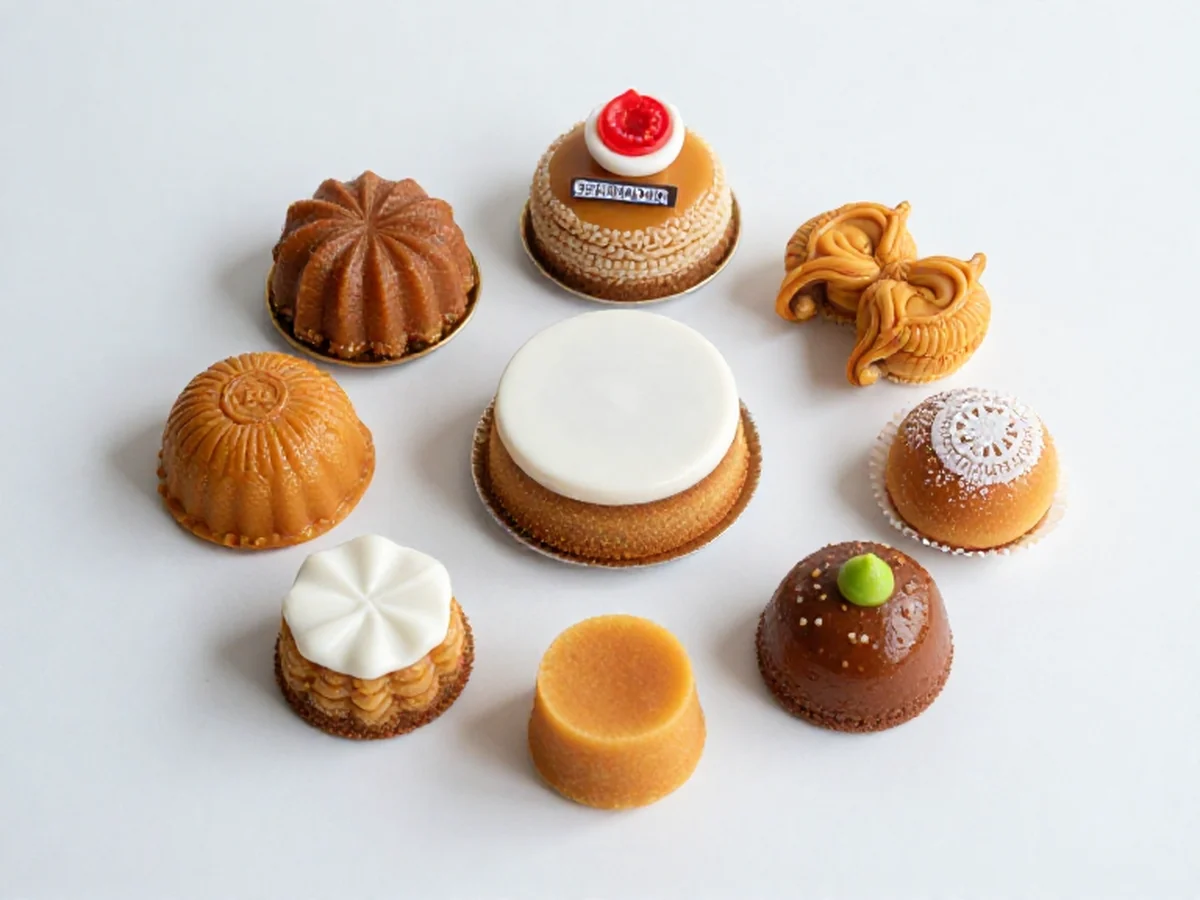
At noon in the humid kitchen, I press my palms into the warm dough to feel the soul of bali.
A wooden rolling pin rests on a flour-dusted table as a teacher demonstrates the delicate folding of rice flour. Many travelers seek a Bali cake class local view to connect with the island's soul through its food.
This experience transcends simple cooking to reveal the cultural identity of the archipelago.
Authentic Bali cake workshop enthusiasts often find that the true value lies in the sensory connection to the land. Engaging in local cake making Bali provides a way to understand how seasonal ingredients shape daily life. This hands-on approach turns a simple recipe into a living history lesson.
An authentic Bali cake workshop allows visitors to step away from the beach and into the heart of a Balinese home. People often look for a Bali baking class insight to find something more meaningful than a standard sightseeing tour.
The process of measuring and mixing becomes a meditative way to slow down.
It offers a unique way to connect with local flavors through hands-on creativity.
What does a Bali cake class actually mean? Bali cake class local view The sun hits a colorful tray of snacks as a student carefully shapes a piece of dough. Understanding the meaning of a Bali cake class involves recognizing the role of sweets in local ceremonies and offerings. These treats are often part of ritual life, representing gratitude and community.
The local importance of baking is deeply tied to the concept of sharing with both people and spirits. A Bali cake class local view shows that these recipes are often passed down through generations of women. Learning these skills is a way to honor that lineage.
Every ingredient used in a workshop tells a story of the island's volcanic soil and tropical climate. A Bali baking class insight helps travelers see the connection between the environment and the plate. This understanding enriches the dining experience long after the class ends.
It is more than just a cooking lesson; it is an immersion into the island's culinary heritage.
Why is baking so important to the locals?
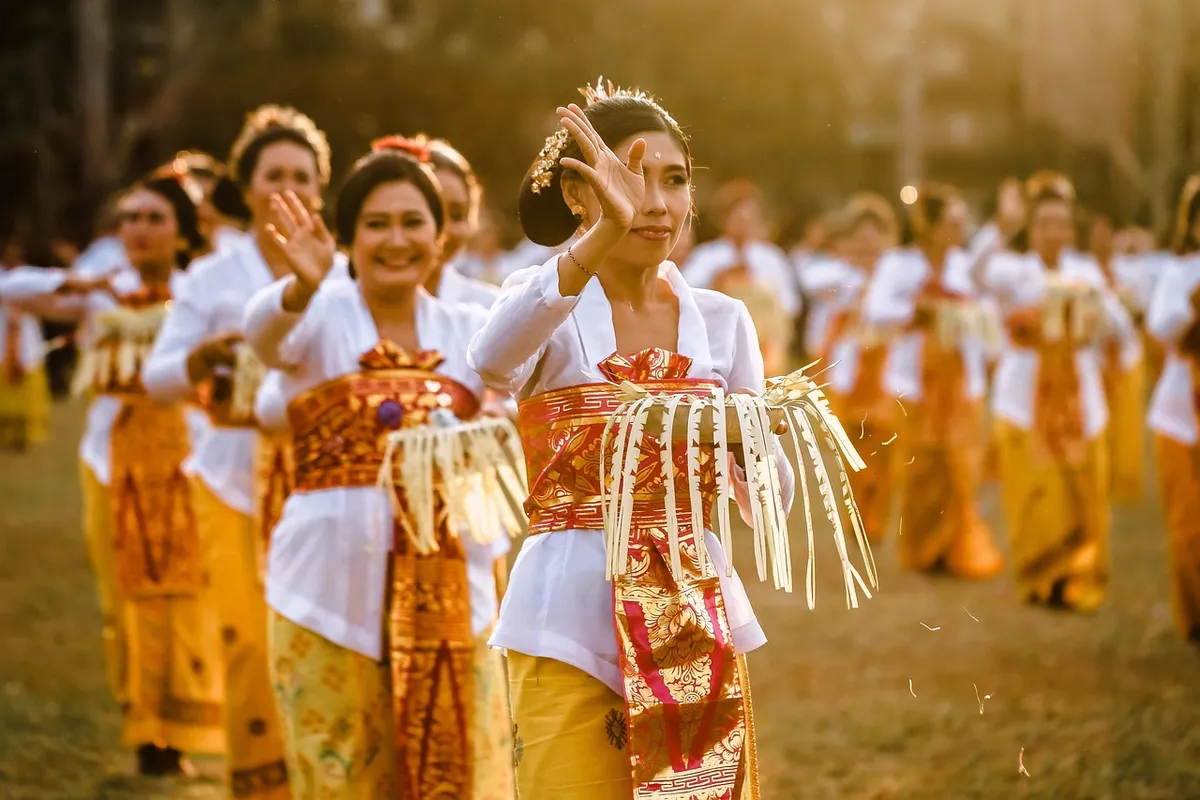
At dusk in the village, I smell the sweet aroma of sugar as I learn why baking is so vital to the soul of bali. A steaming pot of coconut milk sits on a low burner while a student waits for the perfect consistency. The local importance of baking is evident in how these sweets serve as essential components of social gatherings. They are symbols of hospitality and togetherness in Balinese culture.
The local cake making Bali process requires patience and a delicate touch to achieve the correct texture. This slow pace contrasts with the fast-moving tourist hubs and encourages a more mindful way of living. It is a lesson in precision and respect for the craft.
Practicing these techniques provides a deeper sense of place for anyone visiting the island. An authentic Bali cake workshop serves as a bridge between the visitor and the local community. It turns a traveler into a participant in a living tradition.
Baking plays a vital role in community celebrations and traditional ceremonies.
How to join a workshop
A student ties an apron around their waist and picks up a whisk to begin the first step. If you want to know how to participate, follow these steps to ensure a meaningful experience.
- Select a workshop that focuses on traditional methods and local ingredients like palm sugar or coconut. 2. Arrange your schedule to allow for a slow-paced session, as traditional baking often takes time. 3. Engage with the instructor to learn about the cultural significance of each specific sweet.
I remember the feeling of the cool dough under my fingers as I followed the instructor's lead during my first session. A final check of your own technique against the traditional standard ensures you capture the essence of the recipe.
- Select a workshop that matches your interest.
- Contact the host to check availability.
- Confirm your booking and prepare for the session.
Comparison of workshop styles
A table compares different ways to experience these culinary lessons.
| Workshop Type | Focus Area | Experience Level |
|---|---|---|
| Traditional Home Kitchen | Heritage Recipes | Beginner to Intermediate |
| Modern Culinary Studio | Fusion and Presentation | Intermediate to Advanced |
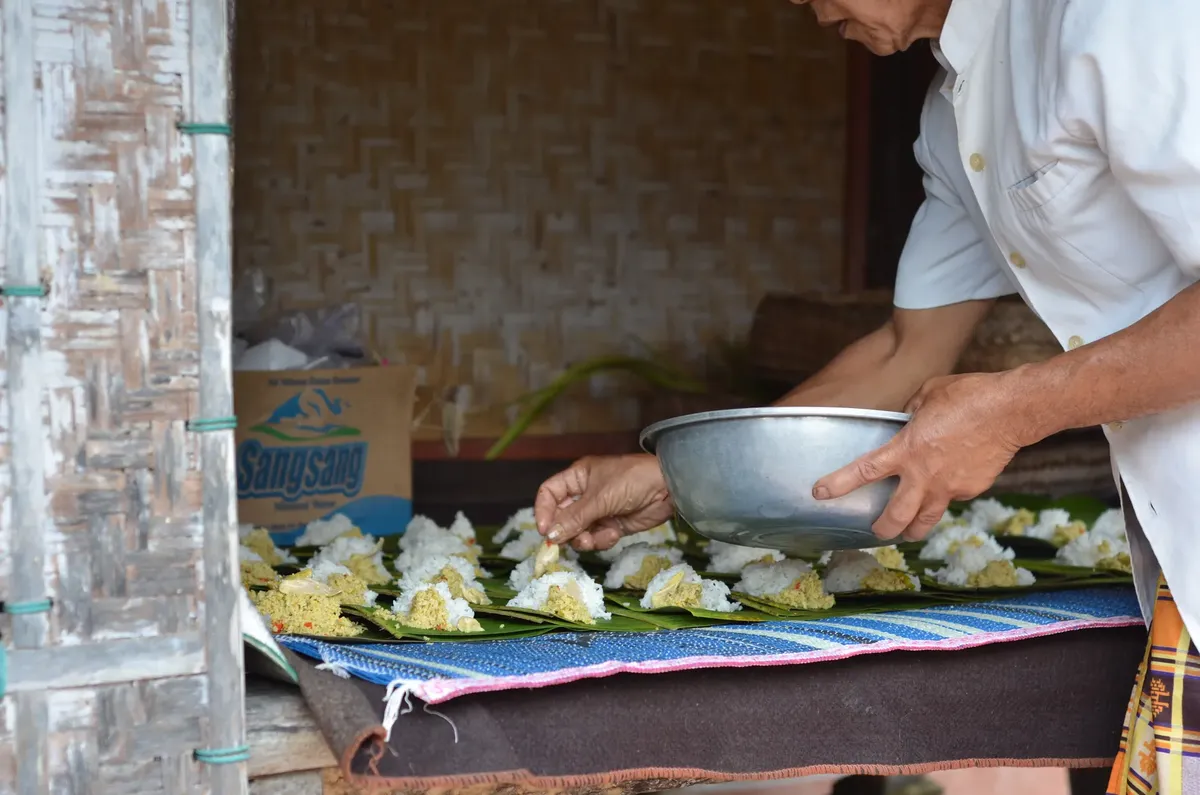
In this sequence, the second step is the longest.
Limitations of the experience
A heavy rain begins to fall outside the open-sided kitchen, dampening the warmth of the room. A limitation of these workshops is that they are often seasonal, as certain ingredients are only available during specific times of the year.
According to World Bank data, Indonesia recorded international tourist arrivals of 4,053,000 in 2020.
Participants should note that these sessions are brief snapshots rather than professional training.
Related
- Bali Lemon Tree forest retreat: Tips for mindful engagement
- Nusapenda Lemon Tree Rest: Safe activities in the woods
Beyond the Taste: Deeper Contextual Layers?
The local kitchen setting provides more than just a backdrop for the baking; it mirrors the rhythms of island life. The smells of coconut milk and pandan leaves are not accidental but are echoes of daily rituals.
These aromas carry the weight of tradition, binding the modern visitor to the island's deep past.
The act of preparing the sweets in the local kitchen becomes a dialogue with the past. Each movement, from grinding spices to folding dough, echoes practices passed down through generations. This continuity is what makes the experience profound, moving beyond mere instruction.
The connection between the ingredients and the environment is palpable in the local kitchen. The volcanic soil and tropical climate infuse the raw materials, and through the baking process, this terroir finds its expression in the final sweet. This imbues the food with regional identity.
What are the potential pitfalls of a cake class?
A potential caution when undertaking a cake class is the tendency to view it as merely a tourist activity. If participants approach the local kitchen solely as a performance, they miss the genuine cultural depth. The slow, deliberate pace of traditional baking resists quick consumption.
To truly appreciate the experience, one must slow down alongside the instructor. Rushing the process risks reducing a living tradition to a mere activity checklist. The commitment to the slow pace reflects the island's own measured approach to life.
The local kitchen demands presence. It requires participants to move beyond the expectation of a quick souvenir experience. Instead, it offers immersion into a sustained cultural practice. This mindful engagement is key to unlocking the deeper meaning of the class.




Comments 0