Nusa Penida Hindu Temple Cake: Guide to Local Charm
"The spirit of the island resides in its ancient stones and the quiet moments shared over local flavors."
This guide explores how to experience the unique intersection of spiritual heritage and local charm in Nusa Penida. Readers can learn how to navigate the cultural landscape, appreciate historical depth, and enjoy the sensory delights of the region.
* Understanding the historical significance of local temples * Navigating the spiritual landscape of Bali and Nusa Penida * Appreciating the local charm and temple cake through sensory experiences * Recognizing the economic context of Indonesian tourism
How to appreciate the local charm and temple cake?

A traveler stands before a weathered stone gate, the scent of incense drifting through the warm afternoon air. Finding the right balance between respectful observation and sensory enjoyment is key to a meaningful trip.
To truly connect with the area, visitors should focus on the intersection of history and taste. This Nusa Penida Hindu Temple Cake experience focuses on understanding the sacredness of the sites while enjoying the simple, sweet offerings that reflect local traditions.
A Bali temple and cake tour allows for a deeper immersion into the community's way of life.
The historical weight of these locations adds a layer of gravity to every visit. When you engage with a local flavor cake tour, you are not just eating; you are participating in a cultural dialogue.
Exploring a Nusa Penida sweet escape requires an appreciation for how these traditions have survived through the ages.
What is the historical significance of these sites? Nusa Penida Hindu Temple Cake
The sun beats down on ancient carvings as a visitor traces the lines of a centuries-old relief. Understanding the past provides a necessary lens for viewing the present state of religious architecture.
History in this region is complex and deeply layered. Historian Sita Ram Goel's book "What happened to Hindu Temples" lists over 2000 sites where temples have been destroyed and mosques have been built over them.
This historical context helps travelers understand the resilience of the structures they see today.
Recognizing these shifts in architecture and worship is essential for anyone visiting the islands. The preservation of these sites is a testament to the enduring nature of the local faith. As you walk through these spaces, the weight of history becomes a tangible part of the journey.
How do academic and religious institutions shape the landscape?
A student sits in a quiet courtyard, studying the intricate details of a temple's foundation. The presence of formal institutions ensures that the knowledge of these sacred sites is passed down through generations.
The formalization of religious education has played a significant role in preserving local traditions.
In February 2020, President Joko Widodo issued a presidential regulation elevating the status of Hindu Dharma State Institute in Denpasar, Bali into the country's first Hindu state university, named I Gusti Bagus Sugriwa State Hindu University.
This institutional development strengthens the cultural fabric of the region.
Such academic advancements provide a foundation for future leaders to maintain these traditions. This educational shift ensures that the spiritual and architectural heritage remains a living part of the community. It bridges the gap between ancient practice and modern scholarly preservation.
How has tourism impacted the local economy?
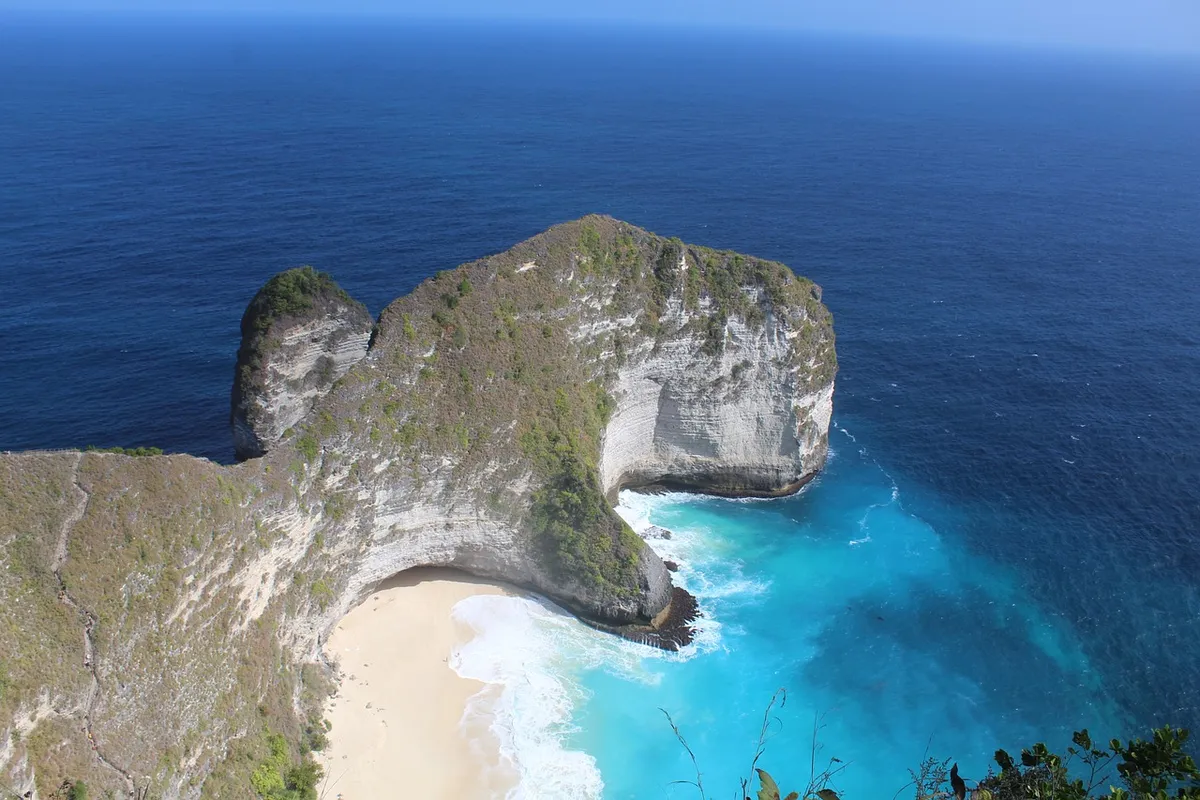
A tour bus winds along a coastal road, carrying visitors toward the island's famous cliffs. The movement of people across the archipelago drives much of the local economic activity.
Tourism remains a vital pillar for the nation's development and cultural exchange. According to World Bank data, Indonesia recorded international tourist arrivals of 4,053,000 in 2020. This influx of visitors brings both opportunities and challenges to the local communities.
The economic scale of the industry is reflected in the broader national metrics. According to World Bank data, Indonesia recorded GDP per capita of US$5,060 in 2025. Balancing the influx of travelers with the preservation of local sanctity is a constant endeavor for the islands.
What are the steps for a meaningful cultural visit?
A traveler prepares a small offering, moving with intention through the temple courtyard. Following a respectful sequence ensures that the visit remains respectful to both the site and the locals.
To navigate these sacred spaces effectively, follow these steps:
- Dress modestly to respect the religious nature of the temple environments. 2. Observe local customs regarding offerings and sacred boundaries before entering. 3. Engage with local food and traditions in a way that honors the community.
A final check of your itinerary ensures that you are not overwhelming the site's sanctity with excessive commercial activity. I remember checking my own bag for respectful attire before stepping into the temple grounds to ensure I was prepared.
- Research the history of the site beforehand.
- Observe local customs and etiquette.
- Engage respectfully with the community.
In this sequence, the second step is the most involved.
Can economic shifts affect cultural preservation?
A merchant adjusts their stall as the morning market begins to bustle. The interplay between wealth and tradition often dictates how heritage is managed.
The economic landscape can influence how much resources are available for the upkeep of historical sites. While tourism provides funds, it also places pressure on the physical integrity of the temples. The goal is to find a sustainable way to share these sites with the world.
A limitation of this perspective is that local economic fluctuations can change the accessibility of certain sites. The ability to visit these locations is often tied to the shifting economic realities of the region.
The same subject is also called Nusa Penida Temple Cake.
The same subject is also called Bali Temple Cake Trip.
This part also covers Nusa Penida travel guide.
Related




Comments 0