Balinese Hindu temple visit: Find charm in history
"The soul of a culture is often found in the quiet moments between the stone carvings and the incense smoke."
A Balinese Hindu temple visit offers a window into a living faith that shapes the daily rhythm of the island. This guide explores the historical evolution of religious institutions, the scale of global interest in the region, and how to respect the sanctity of these sacred sites.
You will learn about the academic roots of local faith, the reality of historical shifts, and the essential etiquette for visitors.
How does the history of local faith shape a Balinese Hindu temple visit?

At dawn, I walk through the ancient stone gates and feel the heavy scent of incense from the Balinese shrine.
A student walks through the gates of an ancient courtyard, feeling the weight of centuries of tradition. The development of religious education in Bali has provided a structured foundation for maintaining these sacred spaces.
According to Wikipedia, in February 2020, President Joko Widodo issued a presidential regulation elevating the status of the Hindu Dharma State Institute in Denpasar, Bali, into the country's first Hindu state university, named I Gusti Bagus Sugriwa State Hindu University.
This transition marked a significant moment for the preservation of local knowledge.
The institution of Hindu higher study has a long history of evolution. It started out as a state academy for teachers of Hindu religion in 1993, before being converted into the Hindu Religion State College in 1999, and then into the Hindu Dharma State Institute in 2004.
This progression shows how the community has worked to formalize its spiritual leadership.
Is there a way to find charm in Balinese faith through its history?
A traveler traces the intricate carvings on a stone wall, wondering about the stories of the past. Understanding the layers of history helps one appreciate the resilience of the local community.
The history of religious sites is often complex and subject to change. Historian Sita Ram Goel's book "What happened to Hindu Temples" lists over 2000 sites where temples have been destroyed and mosques have been built over them.
This historical context provides a backdrop to the current existence of these shrines.
The survival of these sites is a testament to the strength of the local culture. While history shows periods of loss, the current presence of these temples remains a central part of the social fabric. This continuity allows visitors to witness a living tradition.
Why is a temple visit local life so significant for travelers?
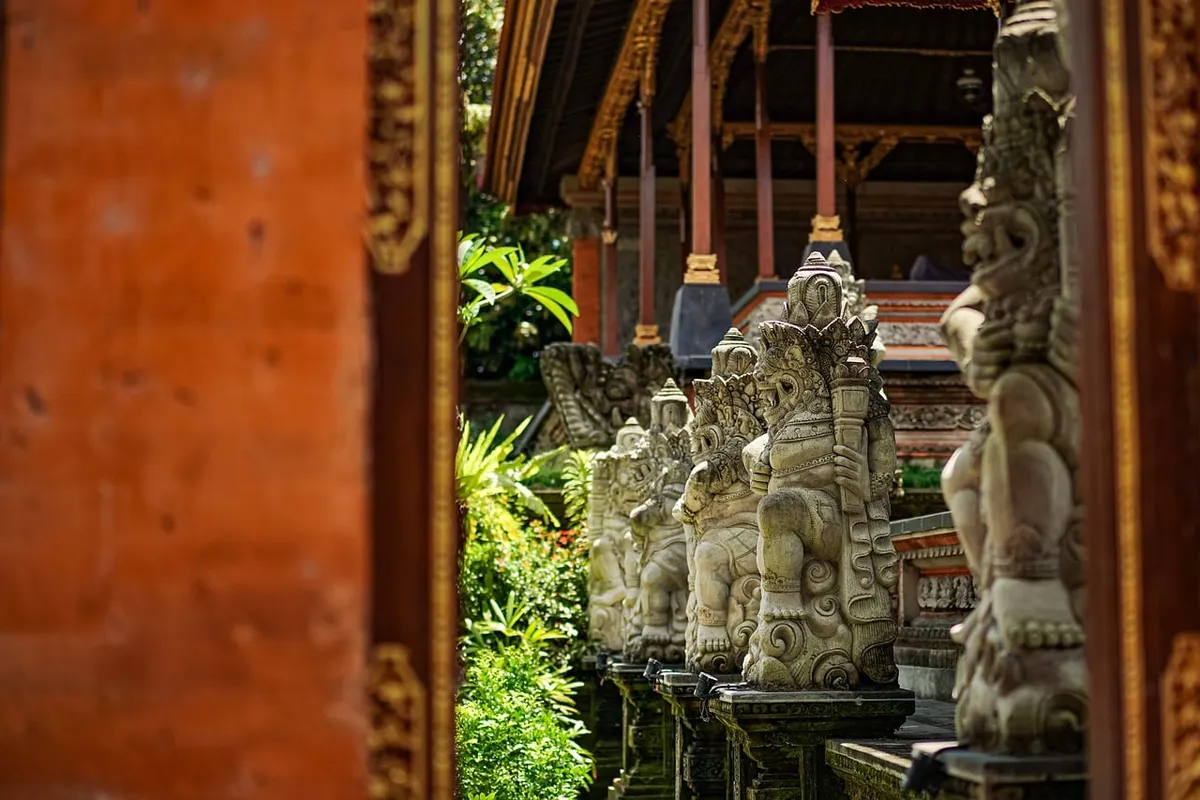
In the quiet courtyard, I kneel upon the stone floor as the warm morning sun touches my skin during a Balinese ceremony.
A visitor sits quietly on a stone bench, watching the morning sunlight hit a small shrine. The intersection of tourism and tradition creates a unique environment for those seeking cultural immersion.
The scale of interest in Indonesia's cultural landmarks is reflected in the movement of people across the archipelago. According to World Bank data, Indonesia recorded international tourist arrivals of 4,053,000 in 2020.
These travelers often seek the spiritual and cultural depth found in temple settings.
Engaging with the local life requires an understanding of the economic and social context. According to World Bank data, Indonesia recorded GDP per capita of US$5,060 in 2025. This economic reality shapes the development of the regions where these temples are located.
What are the steps for a successful spiritual journey island life?
A person prepares a small offering, carefully placing flowers on a miniature shrine. Following proper procedures ensures that the visit remains respectful and meaningful for both the visitor and the local community.
- Research the specific customs of the temple you intend to visit, as local rules can vary between different shrines. 2. Dress modestly to respect the sanctity of the space, typically covering shoulders and knees. so check the local requirements for sarongs or other traditional attire. 3. Observe quietness and avoid interrupting active prayer or ritual ceremonies.
I remember checking the entrance requirements carefully to ensure my presence did not disrupt the peaceful atmosphere. Always verify the specific rules of the site before entering.
How can one achieve a sense of local culture temple tour through respect?
A group of visitors walks softly along a stone path, mindful of their footsteps. Respecting the sanctity of the site is the most important part of any cultural exchange.
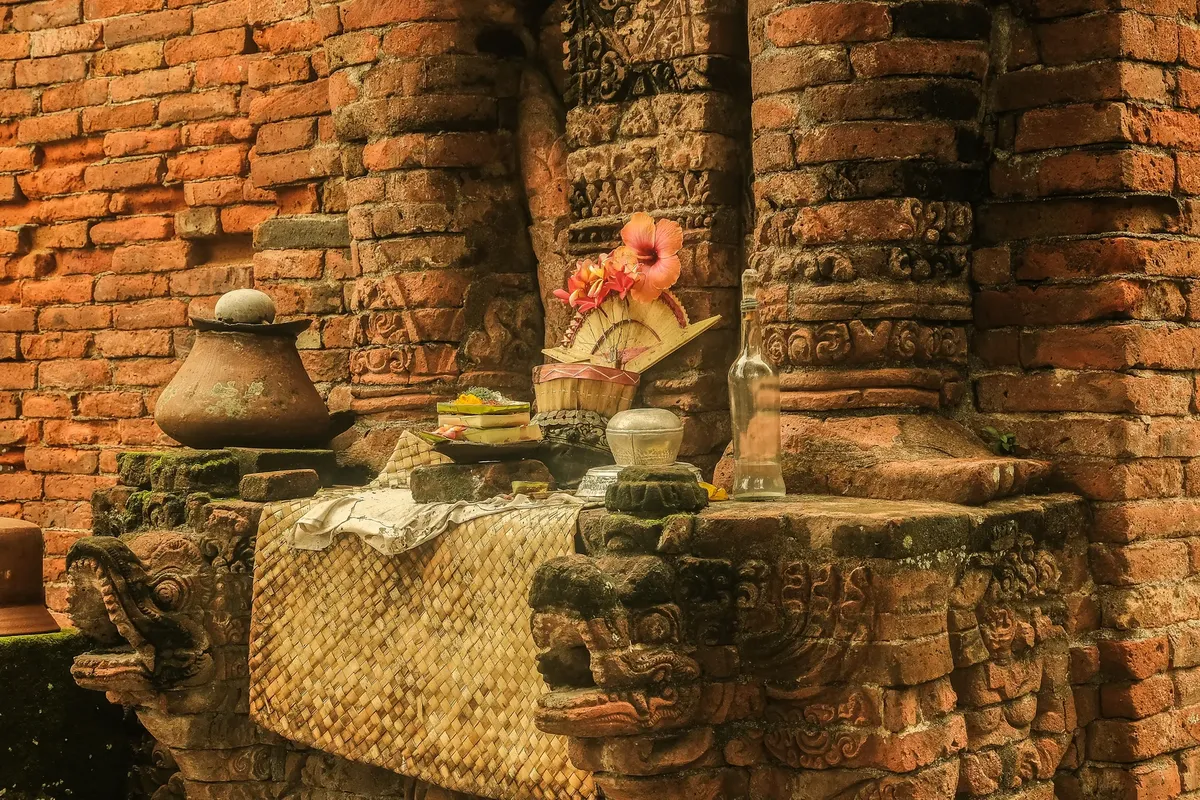
Certain conditions may limit the accessibility of certain areas. For instance, some parts of a temple might be closed to the public during specific religious ceremonies or according to historical preservation needs.
- How does the history of local faith shape a Balinese Hindu temple visit?
- Is there a way to find charm in Balinese faith through its history?
- Why is a temple visit local life so significant for travelers?
The subject here is Balinese Hindu temple visit.
The same subject is also called Hindu shrine community bond.
This part also covers Temple rituals local guide.
This part also covers Taste of local devotion.
Related
- Bali Travel Budget: See Real Costs Per Person For Your Trip
- 7-10 Days vs. 3-4 Days: How Long is Enough for Bali?






Comments 0