Local speech use survey: How to best understand Balinese
"The gap between those who can speak a language and those who use it to live their lives tells the true story of a culture's breath."
Balinese language usage varies significantly between those who possess linguistic knowledge and those who employ it in daily routines. This guide explains the distinction for travelers and researchers, highlighting that while millions may speak the language, active daily use is much lower.
Understanding these trends helps visitors navigate the local speech use survey results and cultural nuances.
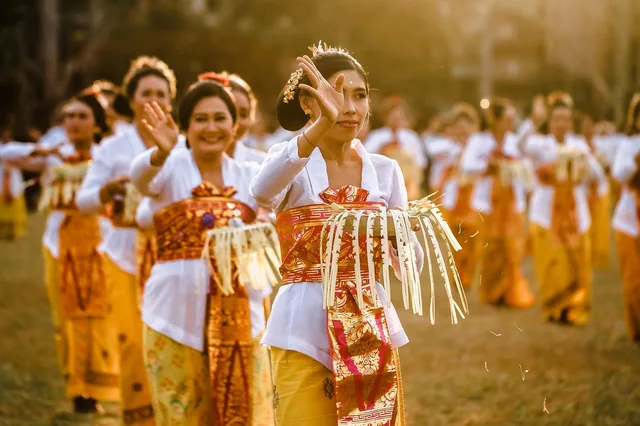
* The difference between total speakers and daily users. * The impact of intergenerational transmission on language survival. * The scale of linguistic shifts in the region.
How does the local speech use survey compare speakers to daily users?
A traveler sits in a bustling Ubud cafe, hearing a mix of Indonesian, English, and rhythmic Balinese tones. While many people in the region possess the ability to communicate in the native tongue, the actual frequency of its use in common settings is declining.
According to the Bali Cultural Agency estimated in 2011, the 2000 national census recorded 3.3 million people speakers of Balinese, but only 1 million people were still using the Balinese language in their daily lives.
This discrepancy highlights that knowing the language does not always equate to using it for everyday tasks. I noticed this distinction when observing how younger residents often pivot to Indonesian for commerce.
Distinguishing between those who retain the dialect as a primary language and those who use it only in specific social settings reveals a gap in fluency levels.
How fast is the local language actually dying out?
Walking through a quiet village at dusk, the sound of traditional ceremonies provides a backdrop to the shifting linguistic landscape. The way neighbors interact reveals much about the current status of local speech trends.
The gap between the 3.3 million speakers identified in the 2000 census and the 1 million daily users estimated by the Bali Cultural Agency in 2011 reflects deep concern over intergenerational transmission.

As families adopt more dominant national or international languages, the frequency of native dialect use in domestic settings changes. This shift is a core part of the culture office data regarding regional identity.
The number of younger residents speaking the traditional dialect decreases as more people adopt the national language for education and work.
Will knowing the local language make my trip better?
During the afternoon, I smiled broadly in the crowded market after hearing the warm tones of the local dialect.
A visitor attempts to greet a local vendor with a traditional phrase, feeling the immediate warmth of the gesture. Experiencing local culture requires an awareness of how much Balinese is actually spoken in different social strata.
According to World Bank data, Indonesia recorded international tourist arrivals of 4,053,000 in 2020.
While learning a few phrases is helpful, travelers should realize that many residents are bilingual or multilingual. Understanding native speech means recognizing that the presence of Balinese is often tied to specific cultural or religious contexts rather than purely commercial ones.
This awareness helps in experiencing local culture more authentically without misjudging the linguistic capabilities of the population.
Learning key local phrases helps travelers navigate remote areas and build rapport with residents who rarely interact with outsiders.
What is the current local language status in tourism hubs?
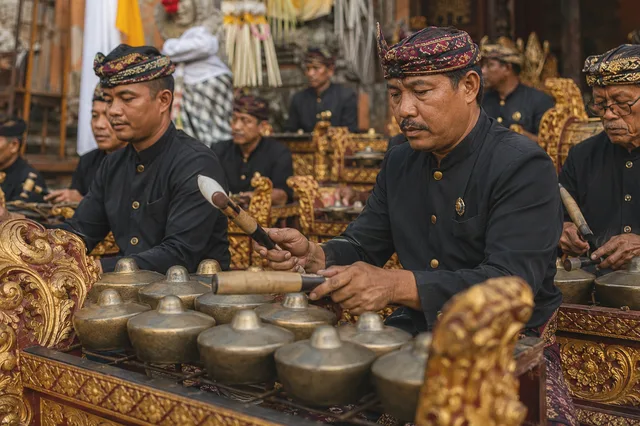
The sun sets over a crowded beach in Seminyak, where the air is thick with the sounds of global travelers. In these high-traffic areas, the linguistic environment shifts rapidly toward international standards.
In these zones, Indonesian and English often take precedence over Balinese.
This creates a unique environment where the native tongue serves as a cultural anchor rather than the primary tool for tourism-related transactions.
In high-traffic areas, the local dialect often takes a backseat to more widely spoken languages used for commerce and hospitality.
How can one observe daily speech trends in person?
A researcher takes notes in a local market, listening to the cadence of bargaining and social pleasantries. Observing these interactions provides a practical view of how the language survives in a modern economy.
To observe these patterns, one can follow these steps:
- Observe the language used during formal religious ceremonies or village meetings. 2. Listen to the primary language used in casual interactions between local families in rural areas. 3. Note the transition to Indonesian or English when interacting with service staff in tourist zones.
Finally, check if the language being used is for ritualistic purposes or for practical, daily communication.
- Visit local marketplaces during early morning hours.
- Sit in community gathering spots like town squares or cafes.
- Listen to the interactions between different age groups.
Is the linguistic shift limited to specific demographics?
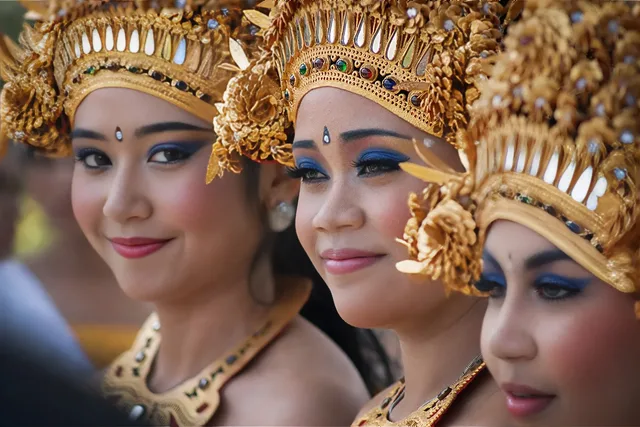
A student studies the economic shifts in a classroom, noting how rising prosperity affects cultural habits. The economic environment plays a role in how languages are prioritized for education and work.
The linguistic shift is not a universal constant but is influenced by socio-economic factors.
As economic structures evolve, the pressure to master dominant languages for professional advancement can impact how much time is spent practicing Balinese. However, it is important to note that these trends are most visible in urbanized or highly commercialized areas.
The transition toward a dominant language is most visible among younger generations and urbanized populations.
Related
- Nusa Penida cliff resort safety: Guide to resort stability
- Bali honeymoon beach club guide: Seaside retreat after 80%
What conditions affect the use of the language between those who speak and those who use it?
- The adoption of national languages for commerce creates a condition where the language is less frequent in daily routines. 2. The intensity of tourism in a specific area functions as a condition, causing a rapid shift toward international standards. 3. The family's decision to prioritize other languages acts as a condition affecting intergenerational transmission.
The difference between those who can speak the language and those who actively use it in their lives is often tied to the economic pressures present in the region. For instance, the need to engage in commerce pushes residents toward more widely accepted linguistic tools.
The scale of linguistic shifts in the region shows that the condition of urbanization exacerbates the divergence between total speakers and daily users. This divergence is a critical point when comparing the census data to the agency's usage estimates.
How does the cultural context influence the language's role?
The role of the native tongue changes depending on the social strata where it is encountered. In certain settings, the language functions as a cultural anchor rather than a transactional tool. This comparison reveals a functional distinction in how the language is perceived.
When observing the language, one must consider whether the usage is for ritualistic purposes or for practical, daily communication. This condition helps clarify the data gathered from the local speech use survey results.
The impact of intergenerational transmission is a condition that determines the language's future viability. If the transmission breaks down, the gap between those who know the language and those who use it widens substantially.
The awareness of this linguistic condition assists visitors in experiencing local culture more authentically, avoiding the misjudgment of the population's actual speech capabilities.







Comments 0