Tegalalang Rice Terraces: Guide to Perfect Ubud Photoshoot
"The green curves of the earth are not just a backdrop; they are a living prayer carved into the hills of Bali."
If you want to stand in the middle of a lush, emerald paradise without a hundred other tourists in your frame, you have to understand that Tegalalang is a working farm, not a museum.
To capture that perfect shot while respecting the soul of Ubud, you need to master the timing of the light and the etiquette of the land.
Key Takeaways * Timing is Everything: Arrive at sunrise to beat the heat and the crowds for the best light. * Respect the Subak: Understand that these terraces are a sacred, functional irrigation system, not just a photo op.
* Look Beyond the Main Path: The best shots require a bit of a hike or a local guide to find the hidden corners. * Logistics Matter: Plan for heat, humidity, and the need for practical footwear.
Why Tegalalang? Understanding the Cultural Heart of Ubud
The morning air in Ubud is thick with the scent of incense and damp earth as the sun begins to crest over the palm trees. You walk down a narrow stone path, hearing the distant sound of a gamelan rehearsal, and suddenly, the valley opens up into a sea of layered green.
These terraces are maintained by the *Subak* system, an ancient, UNESCO-recognized cooperative irrigation method that has managed water distribution among farmers for centuries.
This isn't just beautiful scenery; it is a highly sophisticated social and religious organization that ensures every rice stalk gets its share of water. When you look at the ridges, you are looking at centuries of communal labor and spiritual devotion.
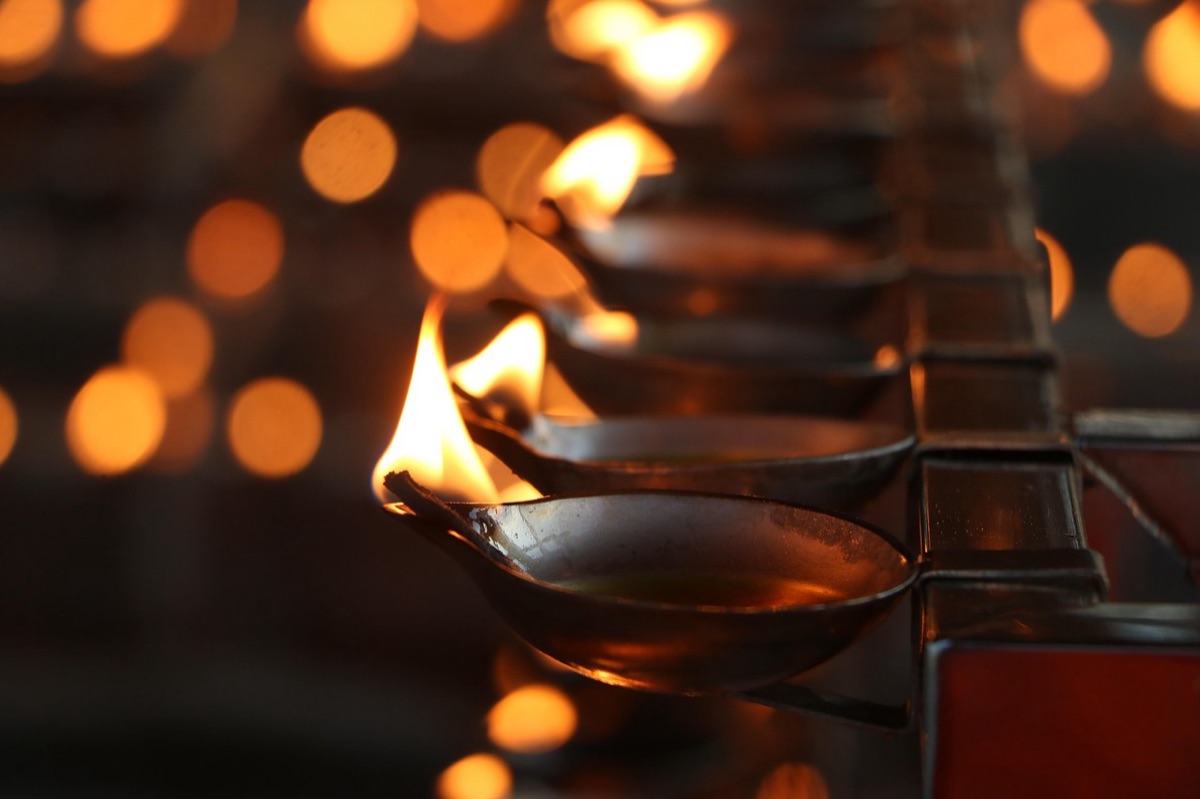
In Bali, agriculture is inseparable from spirituality. You will often see *Canang Sari*—small, colorful palm-leaf baskets filled with flowers, rice, and incense—placed on shrines overlooking the paddies.
These offerings are made to the gods to ensure a bountiful harvest and to maintain balance in the universe.
It is easy to view this through a purely tourist lens, but treating the terraces as a living, working ecosystem changes your entire perspective. The farmers are not there for your photography; they are there to tend to the lifeblood of their community.
Respecting their daily routines is the most important part of your visit. Do not block their paths, do not step into a growing crop unless invited, and always acknowledge their presence with a polite nod.
But as beautiful as the culture is, the physical environment presents its own set of challenges.
Timing Your Visit: Chasing the Golden Hour vs. Midday Crowds
A heavy, humid heat begins to rise from the valley floor by 10:00 AM, turning the once-cool morning into a thick blanket of moisture. You wipe the sweat from your forehead and realize that the quiet serenity you sought is being replaced by the chatter of tour groups and the hum of engines.
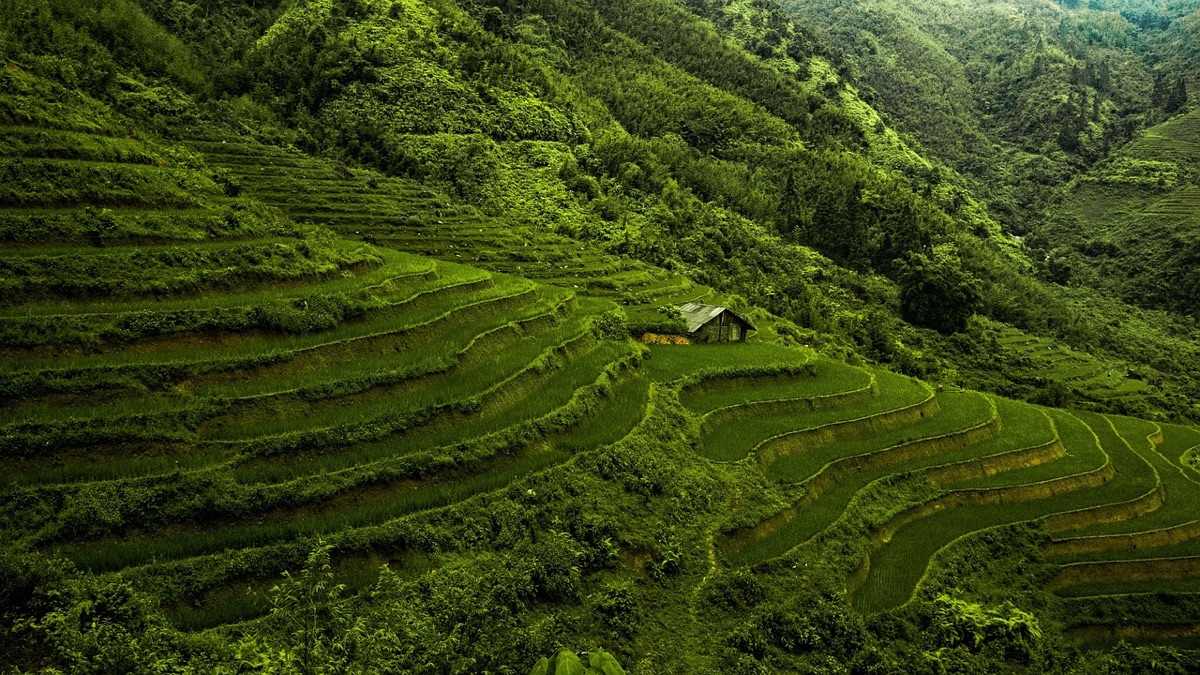
For the best experience, you must choose between the soft glow of sunrise and the harsh reality of midday. In the early morning, the light is diffused and golden, casting long, dramatic shadows that emphasize the texture of the rice stalks.
The temperature is manageable, and the valley is at its most peaceful.
By contrast, the period between 10:00 AM and 3:00 PM is the peak of tourist volume and heat. The sun sits directly overhead, flattening the landscape and making the greens look washed out in photos.
If you cannot make it for sunrise, aim for the late afternoon, but be prepared for significant crowds at the popular swing locations.
To maximize your time, follow a structured timeline. A successful visit might look like this:
- 7:30 AM: Arrive at the entrance to catch the first light and avoid the heat.
- 8:00 AM - 9:30 AM: Explore the lower paths and capture photography while the light is soft.
- 9:30 AM: Depart for a local breakfast in Ubud before the midday rush hits.
However, getting the timing right is only half the battle; you also need to know where to stand.
Mastering the Shot: Finding Your Perfect Photographic Angle
You stand at the edge of a ridge, squinting against the sun, trying to find a way to capture the vastness of the valley in a single frame. The sheer scale of the terraces is overwhelming, and the standard viewpoint feels too crowded to capture the magic you feel.
The "viewpoint spectrum" at Tegalalang ranges from the easy-access platforms at the entrance to the much more rewarding, steeper paths further down the valley. The main entrance offers wide, sweeping views but is often crowded.
For more dramatic shots, you may need to follow a local guide to higher vantage points that require a bit of a trek but offer a much more immersive perspective.
Many travelers seek out the famous "jungle swings" to get that iconic shot of flying over the greenery. While these provide a unique perspective, they can feel a bit commercial.
For a more authentic "immersion shot," try to find angles that incorporate the textures of the rice stalks in the foreground or use the natural curves of the terraces as leading lines to draw the eye through the frame.
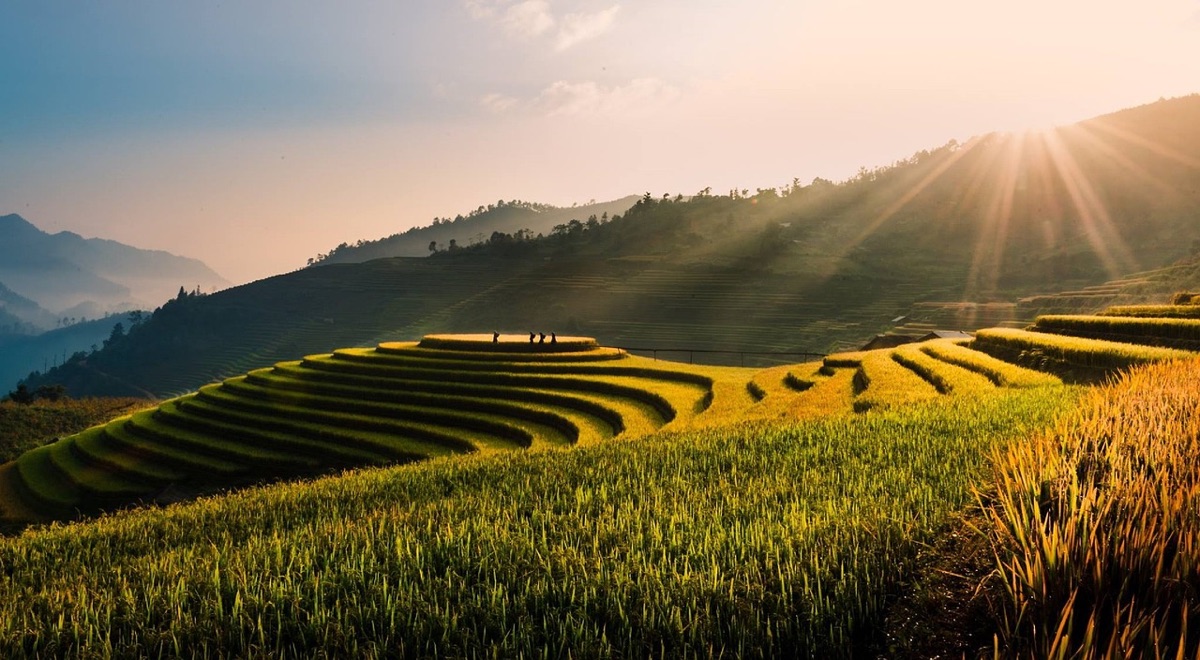
When the sun is low, the light hits the water-filled paddies at an angle, creating a beautiful shimmer and highlighting the geometric symmetry of the irrigation ridges. Use these lines to create depth in your compositions.
If you are using a wide-angle lens, keep the foreground elements—like a single palm leaf or a stone wall—to provide scale and context to the vastness behind them.
But what happens when you step off the paved paths and into the real terrain?
Beyond the View: Enhancing Your Experience
The sound of a distant waterfall echoes through the trees, and the smell of freshly roasted coffee wafts from a nearby hillside cafe. You realize that the terraces are just one piece of a much larger, vibrant landscape waiting to be explored.
While the terraces are the main draw, the surrounding area offers much more. You can take a break from the heat by visiting a local coffee plantation to learn about the production of Luwak coffee, or head toward nearby waterfalls that are often tucked away in the jungle.
Hiring a local guide can transform a simple walk into a deep cultural immersion. A guide can help you navigate the tricky paths, negotiate prices at local stalls, and provide context that you won't find in a guidebook.
They can also lead you to the "secret" spots that aren't crowded with selfie sticks. When I visited in late 2025, I found that walking just 15 minutes away from the main entrance revealed much quieter, more intimate views of the valley.
| Feature | Early Morning (7:30 AM - 9:30 AM) | Midday (10:00 AM - 3:00 PM) |
|---|---|---|
| Light Quality | Soft, golden, high contrast | Harsh, flat, bright |
| Temperature | Cool and pleasant | Hot and humid |
| Crowd Level | Low to Moderate | High |
| Photography Potential | Excellent (Atmospheric) | Challenging (requires editing) |
Practical Tips for Your Journey
Before you set off, you need to prepare for the physical reality of the terrain. The paths can be slippery, uneven, and quite steep in certain sections.
* Footwear is Mandatory: Do not attempt to walk the terraces in flip-flops. Wear sturdy sandals with good grip or light hiking shoes to prevent slipping on mud or stone. * Stay Hydrated: The humidity can lead to dehydration faster than you realize. Carry a reusable water bottle and drink regularly. * Dress Respectfully: While there is no strict dress code for the terraces, if you plan to visit any nearby temples, you must wear a sarong and a sash. * Budget for Small Costs: Expect to pay small fees for parking, entrance, or using certain paths. It is helpful to carry small denominations of Indonesian Rupiah.
It is important to note that these tips apply to the standard tourist paths. If you are an experienced trekker looking for extreme terrain, the requirements for gear and physical fitness will be much higher.







Comments 0